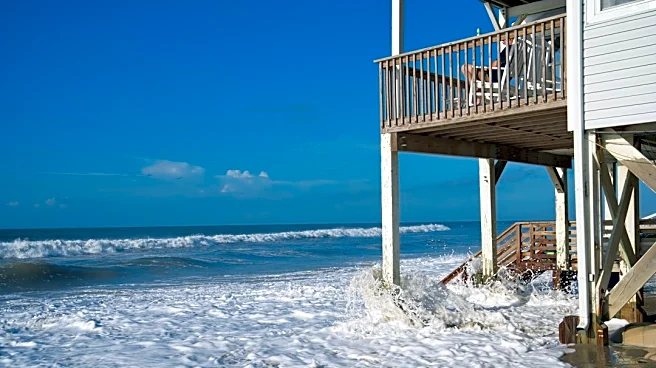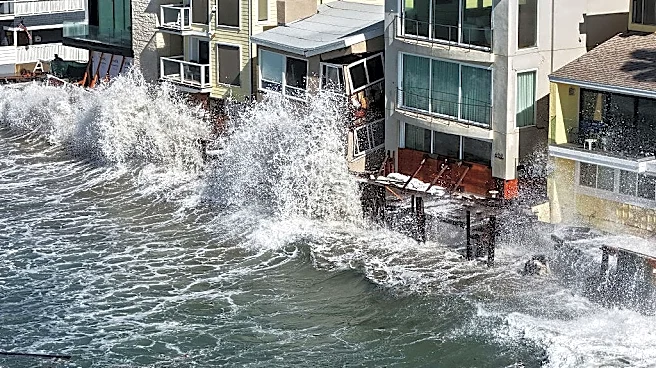


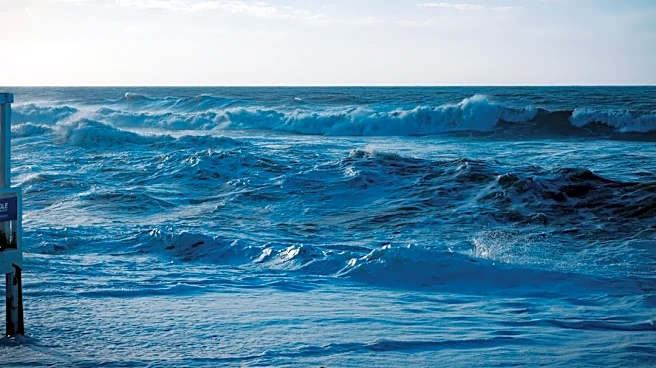

Powerful Pacific waves have torn through a section of Long Beach's coastline, exposing a damaged bulkhead, destroying part of a historic boardwalk and threatening beachfront homes.
The destruction is the latest sign of a broader problem facing California's coast, where beaches are losing sand ahead of a winter that could bring more damaging waves, flooding and erosion.
The latest damage along the Long Beach Peninsula followed weeks of powerful surf, including waves generated by Pacific hurricanes and Tropical Storm Rachel. Waves breached the wooden bulkhead protecting homes along Seaside Walk, washing sand into nearby properties and leaving some structures unsafe to occupy.
But Long Beach isn't the only California community facing coastal erosion.
Beaches from Malibu to Laguna Beach and Carlsbad have lost sand, while waves have threatened coastal roads, damaged infrastructure and narrowed stretches of sandy shoreline.
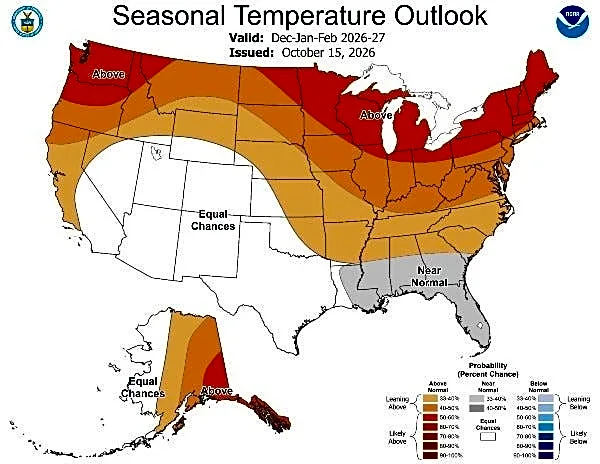
With El Niño strengthening ahead of the 2026-27 winter, scientists and coastal officials are watching for conditions that could put additional pressure on already vulnerable beaches.
How could El Niño affect California beaches?
El Niño is a climate pattern characterized by warmer-than-average sea surface temperatures in the central and eastern tropical Pacific. It can shift atmospheric circulation and influence winter storms, rainfall, and ocean conditions along California's coast.
For California beaches, the concern extends beyond heavy rain. Powerful waves can carry sand offshore, reshape beaches, and expose infrastructure that a wider stretch of sand would otherwise buffer.
El Niño can also temporarily raise coastal sea levels as warmer ocean water expands and atmospheric changes affect water levels. When elevated ocean levels coincide with powerful waves and high tides, seawater can reach farther inland, increasing the risk of erosion and coastal flooding.
The California Coastal Commission says the strengthening 2026-27 El Niño could bring more frequent and intense storms, rainfall, and high-wave conditions from December through February.
The effects will not be uniform across the state. Wave direction, local shoreline shape, available sand and the timing of storms and tides will help determine which beaches experience the greatest damage.
Why is California already seeing beach erosion?
California's beaches naturally change with the seasons. Winter storms often remove sand, while calmer conditions can allow some beaches to rebuild. But repeated powerful wave events can accelerate erosion, particularly when beaches have already lost sand or coastal infrastructure sits close to the water.
This year's Pacific storm activity has battered exposed sections of Southern California's coast. Hurricane-driven swells have removed sand from beaches, while higher sea levels and high tides have let waves reach farther inland.
Elsewhere, erosion has threatened access roads and facilities near Malibu's Point Dume, removed sand from sections of Carlsbad State Beach and left parts of Laguna Beach with little sand between the surf and coastal infrastructure.
Could this winter bring worse coastal erosion?
California's coast could face additional pressure if strong winter storms, powerful waves and unusually high tides coincide.
The 2015-16 El Niño provides a historical example, and coastal erosion during that winter was 76% higher than normal. Exceptionally large waves contributed to substantial sand loss along the West Coast.
The upcoming winter could bring a similar combination of hazards, although the severity and location of the impacts remain uncertain. The California Coastal Commission warns that a strengthening El Niño could increase the risk of coastal flooding and erosion, especially when storms coincide with high tides.
Sea-level rise adds another long-term concern. Higher baseline ocean levels let waves and storm-driven water reach farther inland, increasing exposure in low-lying coastal areas.
Not every beach will necessarily experience worsening erosion. Some shorelines can recover sand during calmer periods, and individual storms' impacts depend on their direction, strength, and timing.
But beaches that have already lost substantial sand or sustained damage to protective structures could be particularly vulnerable to additional high surf.
Which California beaches are most at risk?
The risk varies across the state's coastline, but several communities have already experienced significant erosion or damage.
- Long Beach: Waves have breached a bulkhead and damaged the historic boardwalk along the peninsula, threatening beachfront homes. The city is working to restore sand and reinforce the shoreline.
- Malibu: Erosion near Point Dume has threatened Westward Beach Road, an important access route to the beach and nearby parking.
- Laguna Beach: Repeated wave events have removed sand and brought the ocean closer to lifeguard towers and other coastal infrastructure.
- Carlsbad: Sections of Carlsbad State Beach have lost sand, including areas near the Tamarack parking lot.
Brandi D. Addison covers weather nationwide as the Weather Connect reporter for the USA TODAY Network and contributes to Texas Connect coverage statewide. She can be reached at baddison@usatodayco.com. Follow her on Facebook here.
This article originally appeared on Ventura County Star: Powerful waves are eroding California beaches. Will El Niño make it worse?