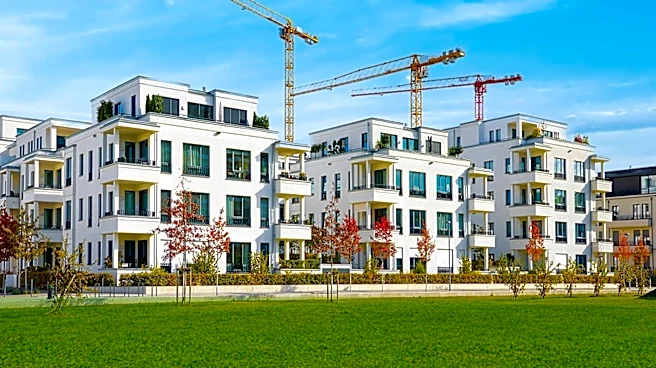







Ventura County has 90-plus mobile-home parks with more than 10,000 spaces, according to a 2023 CalNEXT/VEIC study titled “Mobile and Manufactured Housing Market Characterization.” The count includes 25 parks in unincorporated areas.
A dignified life depends on affordability; it determines whether individuals and families can meet their basic needs — housing, food and healthcare — on their income. When wages stagnate or social protections weaken while prices rise, poverty deepens, even among working people. Lack of affordability often forces compromises in quality of life, such as living in overcrowded housing or becoming homeless, skipping meals or avoiding medical treatment. Ventura County is an affluent community, has its share of challenges
for thousands of families. Housing affordability is at the top of the list.
Ventura County’s 2021-2029 Housing Element explicitly identifies mobile home parks as a housing option that offers opportunities for lower-income residents in high-resource areas and states that the county’s rent-control program helps preserve that affordability.
The county has designated eight senior mobile home parks within its unincorporated areas. At least 80% of the spaces in those parks must have at least one resident aged 55 or older. The city of Ventura is particularly explicit: It states that mobile homes provide affordable housing for many seniors and lower-income families, including some extremely low-income households, and that seniors make up the majority of residents in mobile home parks. The city’s rent stabilization ordinance covers about 1,850 spaces. The county operates rent control because mobile home parks are an important source of affordable housing. The current ordinance permits only a ministerial rent increase in 2026, tied to the Social Security cost-of-living adjustments.
Helping seniors afford a dignified life is not optional — it is essential. A Ventura County Community Foundation study finds that the county’s 65-plus population will grow by more than 85% from 2020 to 2060, and the 85-plus population will increase by more than 300%. Aging is a privilege; living a dignified life is a right.
Residents of mobile home parks often don’t own the land their homes sit on. If a homeowner cannot pay the rent, they may ultimately lose the tenancy. The law generally requires the homeowner to sell or remove the mobile home from the park rather than surrender ownership of the home. Moving a mobile home can be extremely expensive and potentially damaging, which is one reason the state provides special protections for mobile-home owners.
Ventura County’s mobile home parks have a mixed ownership structure, including resident-owned communities, family and individual owners, and a growing share of corporate and investment-oriented owners. Like other counties and regions, Ventura County is increasingly attracting corporate and investment owners, transforming a housing sector once dominated by family and individual owners.
A county cannot prevent corporate investment in rental property. However, it can challenge corporate growth and market dominance by investing in social housing, including having government and nonprofit organizations invest in housing that will never be sold on the market, accepting housing vouchers and providing affordable rents for those in need. This longer-term solution needs urgent support from our elected officials at the local and state level.
In the short and medium term, several measures can help protect residents, particularly the most vulnerable, such as seniors on fixed incomes. Many of these measures already exist, but we need to set a precedent that prevents those who want to push the envelope and drive dramatic rent increases. The cases of 45% rent increases for residents of mobile home parks in Thousand Oaks and Santa Paula, by the corporate owner who recently acquired both, are good examples of such attempts. The company is suing both cities to allow the increases, and the court will decide the outcome.
Establishing a predictable annual rent cap is essential. It is hard to imagine an investor not factoring such an ordinance into their investment strategy, especially given increases in property taxes, insurance and debt obligations. If an investor voluntarily pays a high price for a regulated park, residents should not automatically bear the cost of that acquisition strategy.
We should be aware of the potential harm when a rent review board determines that a substantial increase is justified over a few years. Imagine a 30% rent increase is phased over three years. That would mean a 10% annual increase over the next three years, and for fixed-income renters such as seniors, this is unacceptable.
State and local governments should offer low- or no-interest loans, loan guarantees or technical assistance to resident groups seeking to purchase their park. Every park owner seeking an extraordinary rent increase should disclose all reasons for the increase and demonstrate how they decided to purchase the property, accounting for all such costs. For elderly, disabled or fixed-income residents, governments could establish targeted rent assistance or hardship protections.
Investing in property ownership that can provide a reasonable return on investment is legal. However, housing financialization occurs when homes are increasingly treated as financial assets to maximize investor returns rather than as places to live, creating a serious risk of higher rents, displacement and reduced housing affordability. California, in general, and Ventura County, in particular, should take every action possible to make it impossible.

Jamshid Damooei, Ph.D., is a professor and executive director of the Center for Economics of Social Issues (CESI) at California Lutheran University. For more information on the comprehensive study “California’s Housing Crisis: Roots of the Problem and What Lies Ahead.”
This article originally appeared on Ventura County Star: They own their homes; others own the ground beneath them | Your Turn