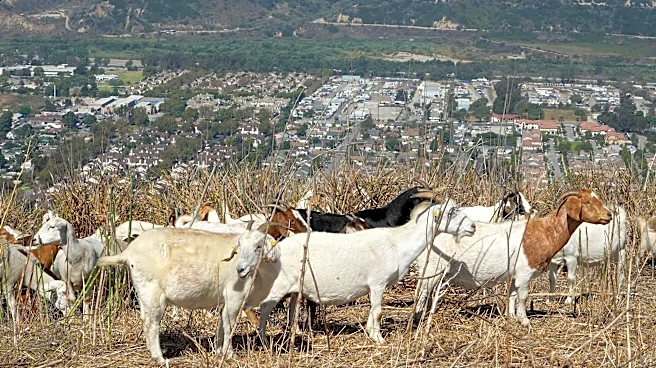







Hundreds of goats ate their way through a patchwork of dried, overgrown black mustard, thistle and other vegetation on steep hills above Ventura in recent weeks.
But their work is far from done. Plans call for the large herd to graze and trample through areas to create a sort of buffer between the open space and neighborhoods along Ventura Avenue and off Highway 33. The Ventura Regional Fire Safe Council worked with the Ventura County Fire Department on plans.
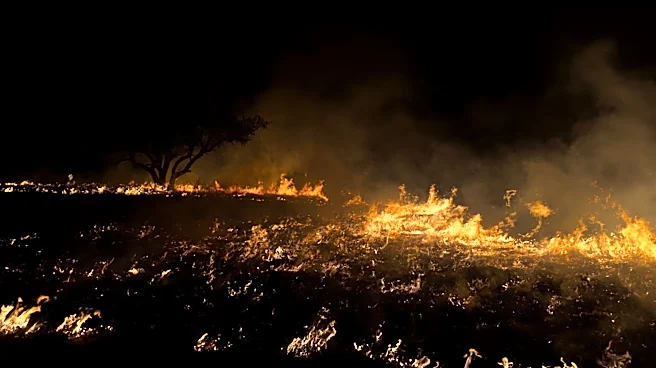
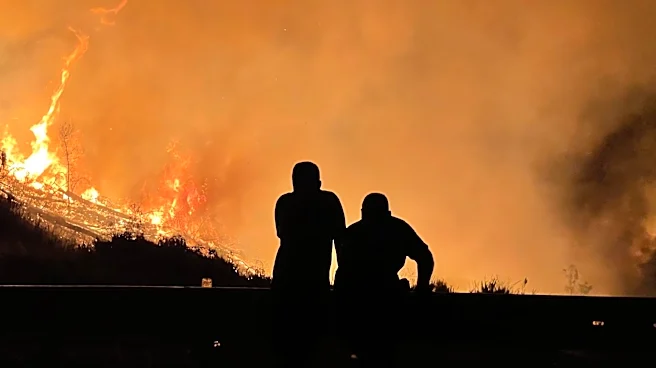
Officials looked at the footprint of a destructive 2017 blaze to design the project, one intended to slow down a similar wildfire before it could reach hundreds of nearby homes, businesses and schools. Nine years ago, the Thomas Fire quickly tore through miles of canyons and hillsides, before flames
raced into the beachside city of Ventura.

Plans call for the goats to graze nearly 300 acres on the hills, roughly between Stanley Avenue to the south and Canada Larga Road to the north. The buffer won't stop a blaze but could help slow its progress and potentially give firefighters an advantage.
"Our goal, especially in Ventura where the risk is really high, is to make it easier for the firefighters to contain wildfire before it gets to the homes," said Alissa Goldberg, a coordinator with the fire safe council, which organized the work.
How can grazing help fight wildfires?
On Dec. 4, 2017, fierce Santa Ana winds gusted more than 60 mph as the Thomas Fire erupted in drought-stressed brush north of Santa Paula. Within hours, flames had reached Ventura.
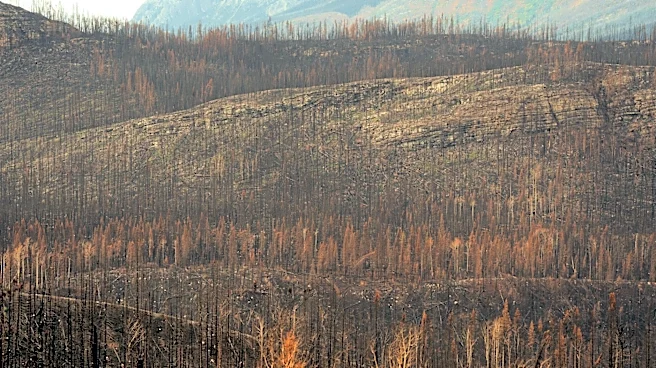
Two people died in the fire that burned 440 square miles in Ventura and Santa Barbara counties, destroyed 1,063 structures, mostly homes, and became the largest in modern state history at the time.
Some spots within this summer's grazing project burned in the blaze. Others did not. But fires, particularly those pushed by Santa Ana winds, can threaten the nearby community, one with pockets of tightly spaced homes and some older construction, officials said.
Breaking up the vegetation along the hills into a sort of mosaic can help during a wildfire, said Celine Moomey, a pre-fire specialist with the Ventura County Fire Department.
"We don't want to take out all the vegetation in those buffer (zones), because some of the native vegetation can actually help catch some of those embers," Moomey said.
The grazing project was designed to focus on tall, dried out grasses like mustard, which can burn really fast. With less of that vegetation growing between the thicker shrubs, it can slow down the fire's spread, she said.
The project was funded by the California Department of Forestry and Fire Protection, or Cal Fire, and includes several private properties, from an area managed by a homeowners association to an oil company's land. The nearly $3 million came from Cal Fire's wildfire prevention grants program and paid for the Ventura project and others in Fillmore and Piru.
When will the grazing project end?
Goldberg described the area being grazed as a patchwork, one that could slow a fire and attempts to protect sensitive habitat. Areas of the hillsides also can be at risk of landslides or debris flows.
The project had to avoid specific spots for safety reasons and to protect sensitive wildlife, including the protected Crotch's bumble bee, she said. Planning included an environmental review, one that required a list of mitigation measures, from using wildfire friendly fencing to avoiding some of the steeper slopes.
The goats started in the area in early August and plans call for the work to wrap up in October.
The Ventura project is one of three organized by the fire safe council this year to remove vegetation and create a buffer between open space and homes. Other project areas are located in Fillmore and Piru, with the largest totaling around 50 acres.
More information about the projects is available at venturafiresafe.org.
Cheri Carlson covers the environment and county government for the Ventura County Star. Reach her at cheri.carlson@vcstar.com.
This article originally appeared on Ventura County Star: Hundreds of goats spotted on hills above Ventura. Here's why