



As diesel fuel prices soar to new highs both in Michigan and nationally, some Republican politicians – including U.S. senate candidate Mike Rogers – are calling for a federal export ban in hopes of bringing them down, but there is not widespread support for the plan or agreement whether it would help.
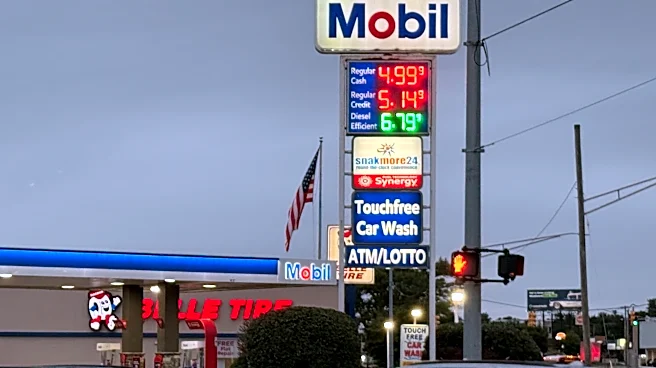
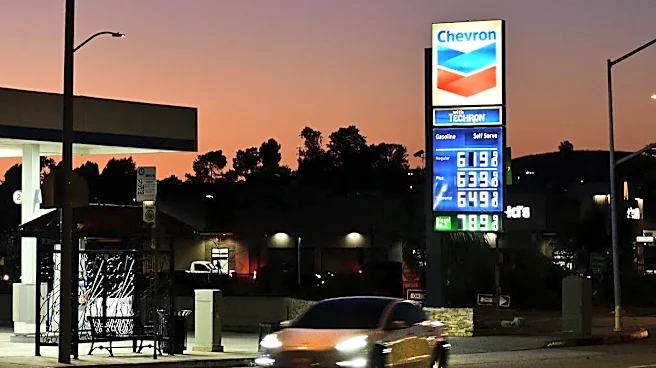
The average price for diesel fuel in Michigan on Tuesday, Sept. 21, hit $6.88 a gallon, a new record.
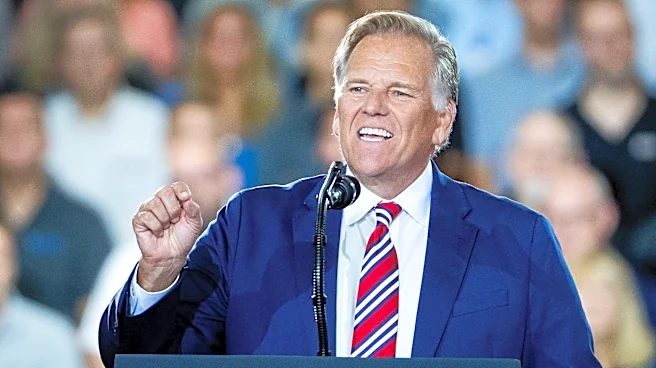
"The war in Iran needs to end to bring costs down – but Michigan families can’t afford to wait," Rogers said on social media on Monday adding his proposal for a temporary embargo on diesel exports, would "provide relief to American families first."

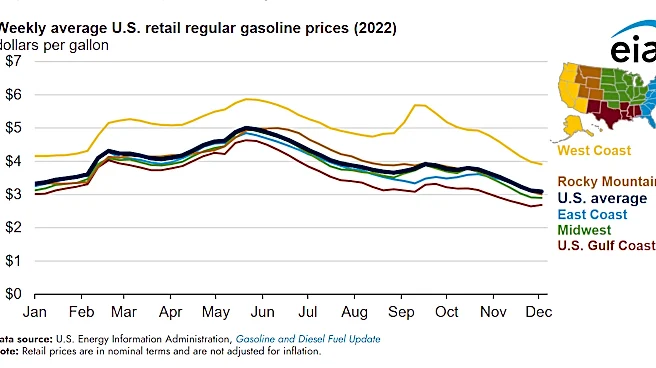
An export ban is not a new concept. President Joe Biden’s administration reportedly considered restrictions
in 2022 after Russia’s invasion of Ukraine, but decided instead to ban the import of Russian oil and released millions of barrels of oil from the U.S. Strategic Petroleum Reserve.
Diesel is crucial to the economy because it fuels trucks, and the rising cost adds to both the cost of goods, including food, and boosts inflation, which the Federal Reserve tried to tamp down last week by raising interest rates.
Roger's Democratic rival, Abdul El-Sayed, has made the economy a central campaign issue, promising to address concerns that Michiganders are struggling to keep up with everyday expenses because, in addition to gas, they also are paying more for groceries and healthcare.
Case for a fuel export ban
Rogers’ post included a video of him in a grocery store talking directly into the camera, explaining his reasoning for the export ban, which he said would be a stopgap measure to reduce the skyrocketing cost of fuel until the war ended and prices would come down.
Rogers also has proposed suspending the state and federal gas tax of 70 cents a gallon, which the former congressman said would benefit farmers and truckers who are spending more on fuel and passing the costs on to Michiganders.
The Senate candidate joined other Republicans, including Sen. Chuck Grassley of Iowa, who said high diesel prices are “killing farmers' income” and urged the president to put the embargo in place. Rep. Ashley Hinson, also of Iowa and also running for the Senate, wants to suspend diesel exports.
And Senate Majority Leader John Thune of South Dakota said last week he was open to exploring a ban.
Some states have already taken measures to temporarily lower the price of fuel. A few suspended some taxes and, in Michigan, the governor halted some regulatory environmental requirements that helped ease costs by 10-20 cents a gallon.
At the same time, Rogers’ proposal also puts him at odds with petroleum industry groups and analysts, which oppose restricting exports and have made the case that a ban would not solve the problem and could even make it worse.
Some argue it may 'backfire'
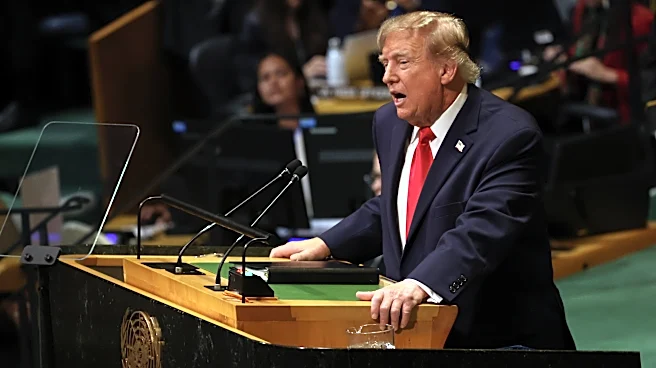
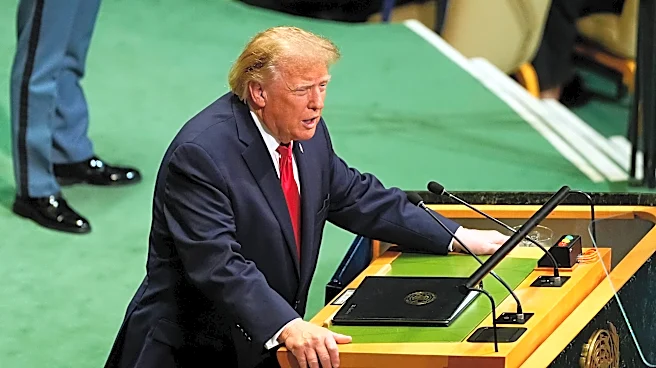
It's unclear, however, whether the Trump administration would consider such a ban.
Under the headline, "Is Fuel-Export Ban Trump’s Last Option to Ease Prices?" the Wall Street Journal reported last week that the president is "running out of options to help contain a historic rise in fuel prices that has Republicans on edge ahead of the midterm elections."
The Journal also pointed out that analysts say a ban "could backfire."
Mike Sommers, the CEO of the American Petroleum Institute, said a ban could make the problem worse.
Politico reported on Monday that Energy Secretary Chris Wright has said restricting diesel exports would lead to “more expensive gasoline right away,” and the outlet quoted an unnamed White House official who said the administration is “not considering” such a ban or restrictions – "at this time."
And GasBuddy petroleum analyst Patrick De Haan explained that while "the logic sounds perfect and airtight to many Americans," flooding the U.S. market with diesel won’t necessarily provide the relief politicians think it will.
U.S. refineries produce about 5.3 million barrels of distillates a day, but about 3.6 million barrels a day are used domestically. Over time, a ban could cut refinery runs and tighten supplies of other fuels including gasoline. The diesel price spike, he added, is "not a U.S. problem"; it is, instead, "a global one."
Contact Frank Witsil: 313-222-5022 or fwitsil@freepress.com
This article originally appeared on Detroit Free Press: Some Republicans, including Mike Rogers, calling for fuel export ban