
The U.S. Department of Homeland Security was the federal agency that questioned a Chinese researcher from the University of Michigan the day before he committed suicide in March, according to police reports obtained by the Free Press.
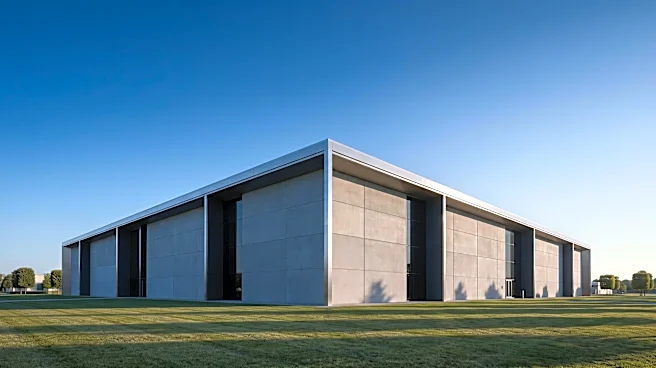
Danhao Wang, 31, died from blunt force trauma to his head and legs after jumping over a third-floor railing at the George G. Brown Memorial Laboratories
building on campus.In statement on social media in March, the Chinese government said that Wang took his own life after being subjected "to hostile questioning by U.S. law enforcement personnel." The statement never identified the agency in question and the U.S. government has not acknowledged any such interview.
U-M Police reports obtained by the Free Press under
the Freedom of Information Act show that moments before he jumped, Wang arrived unexpectedly at a lounge on the third floor of the building, just before 11 p.m. March 19.
There were several people in the lounge so Wang and a friend stepped into the hall to talk.
The friend told investigators "Wang looked 'weird,' and his eyes were red and it did not look like him."
Wang told the friend that the Department of Homeland Security had contacted him with questions. He said had met with a lawyer, who told Wang that "this is nothing serious," according to the report.
The friend said he began to ask Wang about a research paper.
"That's when Wang ran and jumped over the glass railing on the third floor onto the second floor," the friend said, according to the report.
The fall left Wang unconcious and bleeding from the head. An EMS crew took him to the University of Michigan Medical Center, where he died about two hours later.
The Chinese Consulate in Chicago statement in March also said "China calls on the U.S. to carry out a full investigation, give the family of the victim and the Chinese side a responsible explanation, and stop discriminatory enforcement against Chinese students and scholars in the U.S."
The Free Press left a message seeking comment from the consulate on the police findings.
Wang's biography on the university website shows he was an assistant research scientist in electrical and computer engineering.
It's not clear why DHS officials questioned him. The Free Press left a message with the agency seeking comment.
The U-M Police reports show that two people from DHS arrived at a home Wang was renting about 8 a.m. March 18. Their names and titles were redacted in the released reports.
One of the DHS employees told university police that she spoke to Wang for about 10 minutes outside his house. Because it was bitter cold, the woman offered to schedule a follow-up meeting but Wang wanted to continue to talk, so he met the two DHS people at a local coffee shop, according to the report.
After about 30 minutes of talking, the interview ended.
"Wang left on his own accord..." the report said, adding that he offered "to answer any additional questions that DHS may have in the future."
The following morning, March 19, Wang visited the office of Ann Arbor attorney John Minock, who specializes in criminal defense work. Minock acknowledged speaking with Wang but he wouldn't say what the two discussed, citing attorney-client privilege.
A timeline of events compiled by university police says the meeting ended at about 11:30 a.m. At about 1:05 p.m. Wang's 2022 Toyota Carolla station wagon and its license plate were caught on camera.
University of Michigan Police Department "parking services vehicles have license plate readers installed that passively record all license plates they drive by," according to the report.
The report doesn't say where the vehicle was spotted. After Wang's death, it was found parked in a lot off Hayward near the GG Brown Memorial Laboratories.
His next documented location was later that night.
"Wang's landlord last saw him leaving out the back door at 10:30 p.m. and appeared to have been crying for some unknown reason," acccording to the report.
Wang's death came amid increased scrutiny by the Trump administration of foreign citizens on U.S. college campuses, including a crackdown on student visas.
Four days after Wang died, U-M president Domenico Grasso testified before Congress about the threat of Chinese espionage on college campuses. Grasso didn't mention Wang's death.
Contact John Wisely: jwisely@freepress.com. On X: @jwisely
This article originally appeared on Detroit Free Press: Homeland Security questioned Chinese researcher before his suicide