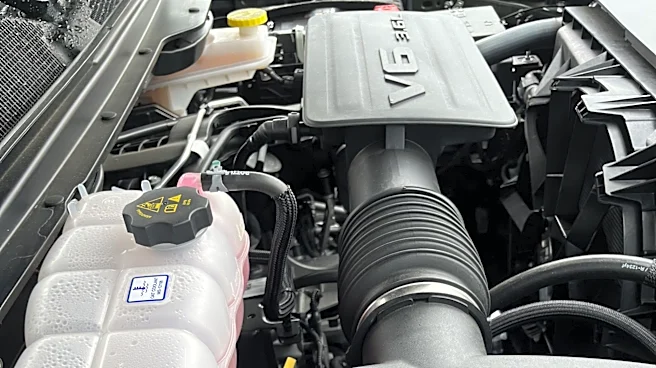









While every car owner may know to keep up with filling their tanks and changing their oil, there are other fluids to consider when maintaining your vehicle.
The average car has around 30,000 parts and many fluids are used to keep them running properly. The most important fluids are motor oil, transmission fluid, brake fluid, washer fluid and coolant. There are other important fluids such as those that go with the power steering, clutch and differential. They all have their own time intervals when they need to be replaced and each requires a special liquid. The most common fluid to keep up with is motor oil. You can have your fluids changed at a shop or do it yourself with the right products and tools.
Motor oil is a top priority
Oil changes are the most common fluid change.
They can be done at an oil change shop, a dealership or at home. This is done by jacking up the car, then draining the old oil into a pan and replacing it with new oil. To find out what type of oil your vehicle uses, you can look at your owner's manual or search online. To check your oil levels, pull up the dipstick in the engine bay and look at where the oil is on the stick. If the oil is near the maximum mark you should be fine, but if it's near the minimum mark then it needs to be changed soon. According to Kelley Blue Book, it’s best to change your oil every 5,000 to 7,500 miles. Fully synthetic oils can be changed less frequently.
Washer fluid is the easiest to manage
Windshield washer fluid is the easiest to manage and has the easiest reservoir to find. Once you pop the hood open, you can’t miss the blue cap. To fill it, pour new washer fluid into the reservoir until the liquid is near the top, then close the cap. How often you change this fluid depends on how often you use the windshield washer feature.
Transmission fluid changes
Transmission fluid is recommended to be changed every 30,000 to 60,000 miles. In many vehicles, this fluid has a dipstick that's separate from the stick used for the engine oil but works the same way. The oil can be drained into a bin after removing the plug. If the fluid being drained is red, then it's being changed at decent intervals. If it's black, then the fluid is old and there may be other issues. Once the old liquid is removed, add new fluid into the reservoir under the hood.
Checking your coolant levels
Radiator fluid or coolant is crucial for keeping your engine operating at optimal temperatures. To check your coolant levels, make sure the car is turned off and sits for a while so it can cool down. Never open the radiator cap when the engine is hot so you don't burn yourself. Then take a look at the overflow reservoir and see where the levels are. There are labels that can be found on the side of the reservoir that say max and min to show you the current levels.
Mix 50% water with 50% coolant together in a gallon bottle then pour it into the reservoir until you reach the line that says “full.” Some coolant comes already mixed. Then turn on the vehicle and let it run for a little while, then top it off with a little bit more coolant after the motor cools. Then you can put the cap back on and you will be all done. It’s best to add coolant every 50,000 miles or whenever you notice the levels are low.
Power steering fluid
This hydraulic fluid is used to lubricate internal parts of the power steering system. This keeps them running properly and makes the car easier to steer. The cap has a gauge that shows the levels of the fluid for when it's hot or cold. If it needs to be changed, you will need a fluid tube or a turkey baster to remove the old fluid and place it into a catch can. Once the old fluid is gone, start the vehicle and turn the wheel all the way to the right, then do the same in the opposite direction. This will get the excess fluid out of the reservoir that can be removed. Then add the new steering fluid that your manufacturer recommends until it's filled, then run the vehicle and let it sit. This fluid will need to be replaced every 50,000 miles.
Clutch fluid for manual transmissions
For cars that have stick shifts, clutch fluid is something that will need to be replaced. If your clutch pedal is hard to push or it feels much lighter than normal, it's recommended to check the fluid level. The fluid recommended for most clutches is actually brake fluid. You can check the levels by looking into the clutch fluid reservoir, then adding the recommended brake fluid until it’s filled up. This needs to be added once every two to three years.
There are several fluids you need to stay on top of to keep your car fresh and working as intended. Once you start to keep track of them on your own, you’ll always be ready when something needs to be refilled or replaced. Whether you choose to refill these fluids yourself or go to a shop to have them replaced, your car will be in the best shape possible. But most importantly, keep an eye on the gas in your tank. That may be the most important fluid of all.
Keenan Thompson is a car culture reporter for the Detroit Free Press. Contact Keenan at kthompson@freepress.com. Follow him on Instagram at @keenanautos. To sign up for our autos newsletter. Become a subscriber.
This article originally appeared on Detroit Free Press: Here is every car fluid you need to keep an eye on