


My father, Eric, died on Oct. 8, 2023, forever linking him in my heart with what happened in Israel the day before. As he lay in his hospital bed on Oct. 7, we watched the news together as the first videos streamed in. He knew he was nearing the end, and I remember him looking up at me and saying, “Well, good luck, Josh.”
Jewish mourning follows a precise calendar. After we buried my father, we sat shiva, the traditional seven days of mourning, with worship services in my home each day. Everyone who gathered with us was grieving both my father and the atrocities of Oct. 7. It was an unexpected gift from my father: a place to share that communal pain.
The last three years have been hard for American Jews. We have felt the pain of Oct. 7, the pain of watching
tens of thousands of Palestinians die and the pain of rising antisemitism in our own country. Before Oct. 7, American Jews took for granted our safety, our freedom to define our own identities and our political belonging in a country we’ve called home for centuries. Now many of us who support the State of Israel feel unwelcome in the Democratic Party.
Still Democrats, fighting to belong
And yet, we are still fighting to belong. For decades, roughly 70% of American Jews have called themselves Democrats, and I am one of them. I marched with my family when the Supreme Court overturned Roe v. Wade. I raised money for the Black Lives Matter movement. I drove hundreds of miles to help organize a protest at the Tornillo, Texas, detention camp holding migrant children. I did all of this because of the values the Democratic Party best represents.
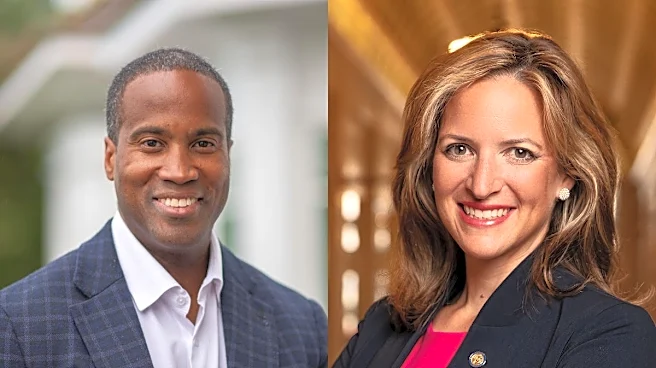
I still agree with 95% of the party’s vision, including the leadership of Secretary of State Jocelyn Benson and U.S. Sen. Elissa Slotkin, and much of Senate candidate Abdul El-Sayed’s thoughtful platform on health care, economic opportunity and democracy. Nearly two-thirds of Jewish voters backed Kamala Harris for president in 2024, according to AP VoteCast. Yet just 15% of Jewish adults say the Democratic Party supports Jewish Americans “extremely” or “very” well, according to an Associated Press-NORC Center for Public Affairs Research poll conducted in June. Republicans fare about the same, at 16%. Something is amiss.
The rise in antisemitism makes words matter more

Our community is experiencing record levels of antisemitism. College campuses became an early flashpoint, even before Israel began its military response, as anti-Israel protests gave way to harassment, slurs and threats against Jewish students and university administrators. Hillel International tracked 2,334 antisemitic incidents on U.S. campuses during the 2024-25 academic year, the most since it began tracking in 2019. The latest FBI data found Jews were the victims of nearly 70% of religion-based hate crimes.
Leaders in both major parties have used inflammatory language that risks making things worse. As a lifelong Democrat, I felt obligated to speak up when El-Sayed did the same.
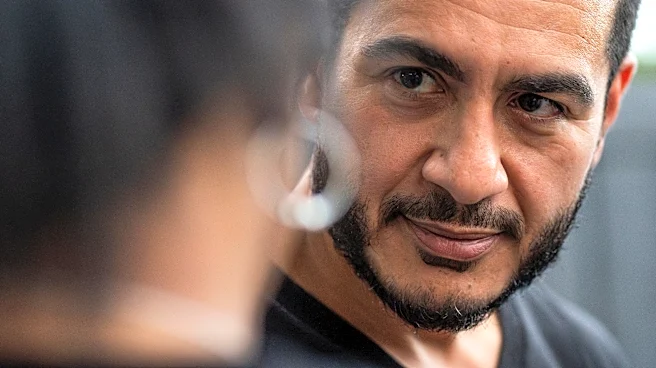
I’m not accusing El-Sayed of being an antisemite. But he has used language that puts my community at risk. Most egregiously, he called Israel “bloodthirsty” on national television after he won the primary. For centuries, accusations of Jewish bloodlust have been used to dehumanize Jews and justify persecution, from medieval blood libels to pogroms to the Holocaust, which killed 6 million of us. There are many legitimate criticisms of Israel’s conduct in this war, but voicing them in language that echoes an ancient antisemitic trope is beyond the pale.
And this was not the first moment that left many Michigan Jews wondering whether El-Sayed understands how his words sound to us. After an armed man drove a truck into Temple Israel in West Bloomfield this spring – a synagogue with a preschool full of children inside – El-Sayed condemned the attack but then spoke about a broader cycle of violence, saying, “hurt people hurt people.” He later apologized for the timing of that comment, saying he had not intended to justify the attack or discount our pain. I appreciated that apology. But his instinct to put what could have been a deadly terrorist attack on the Jewish community into context was worrying.
He describes some American supporters of Israel – a place of importance for many Jews, whether we agree with its government or not – as corrupt and bought by special interests, a dangerous characterization of a complex political landscape.
Of course, I don’t expect every candidate to use precisely the language I would choose. But language from political leaders changes what people regard as acceptable. By using the term bloodthirsty, demonizing American citizens who advocate for Israel and contextualizing the potential murders of preschoolers, El-Sayed has shrunk the gap between criticizing the Israeli government and assigning collective blame to the Jewish community for the Israeli government’s actions. This kind of rhetoric concerns the Jewish community.
Michigan leaders must earn Jewish trust
That matters because senators do more than cast votes on foreign aid. They decide which voices are treated as legitimate, which incidents of hate are condemned, how the government responds when Jewish institutions are threatened and whether Jewish constituents who identify as Zionist are treated with respect within the political ecosystem. I want the people representing Michigan to criticize Israel fiercely, just as I do, when warranted, while also recognizing when rhetoric about Israel – sometimes by their most vocal supporters – jeopardizes the safety of Jews here at home.
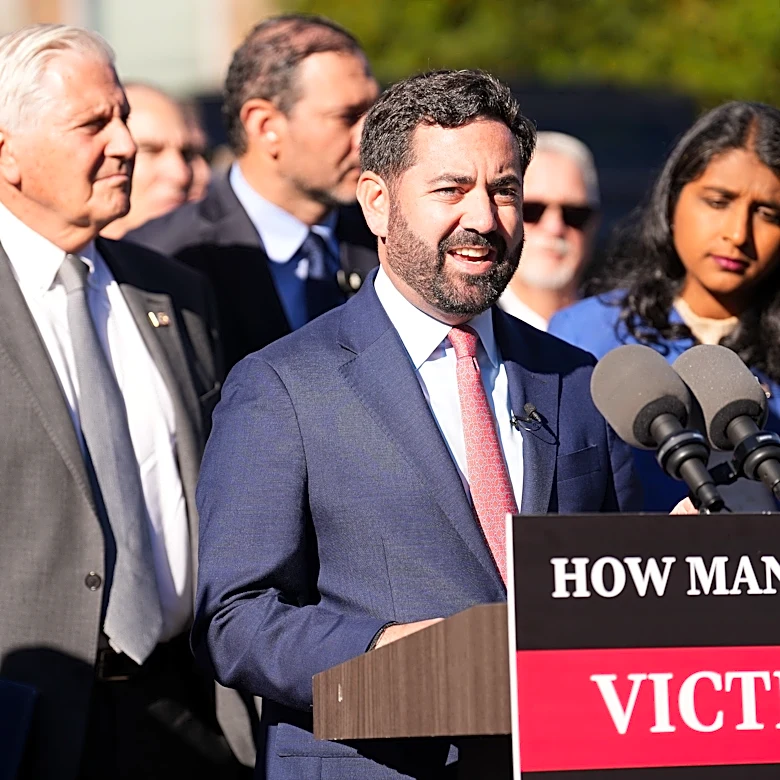
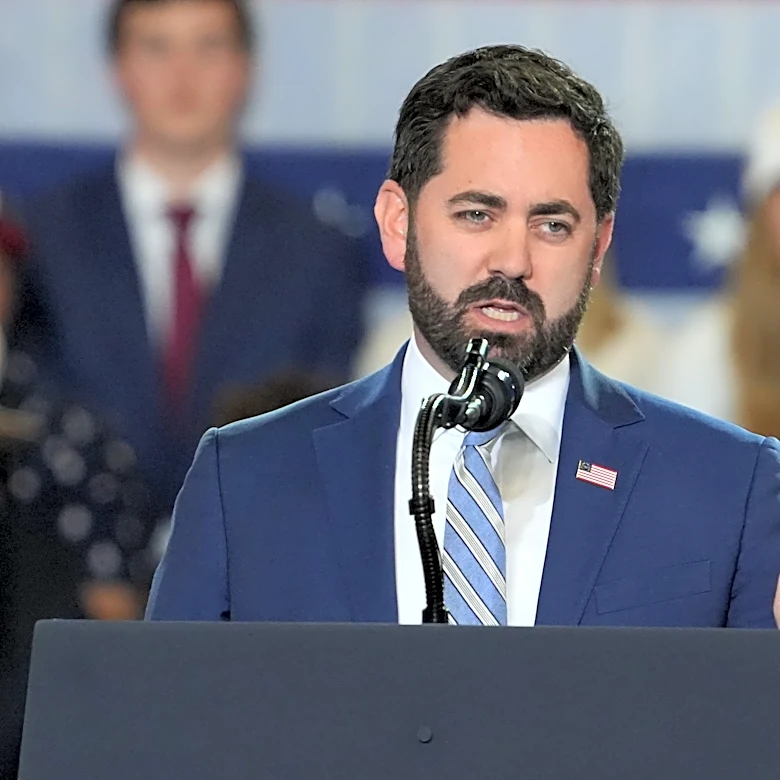
I believe the Islamophobic rhetoric of Republican Senate candidate Mike Rogers’ campaign is disqualifying. I hold my own party to the same standard. That’s not to say that antisemitic and Islamophobic offenses always take the same form. Often, as we know all too well here in Michigan, Islamophobia is much more overt. But it means political leaders in both parties ought to recognize the histories and hate their words can fuel – and to put their hand up when they get it wrong. El-Sayed owes the Jewish community an explanation for his words during the primary.
Criticizing Israel is not the same as targeting Jews
To be clear, pro-Palestinian views and criticism of Israel are not inherently antisemitic. El-Sayed and I share more common ground than many people realize. As a liberal rabbi in Ann Arbor, I know many of my congregants disagree with Israeli Prime Minister Benjamin Netanyahu’s policies toward Palestinians and the occupied territories. Most of us long for this conflict to end, and we believe Palestinians deserve dignity, safety and self-determination.
I’ve traveled to Israel seven times since Oct. 7, 2023. On many of those trips, I visited the occupied West Bank and stood in solidarity with Palestinians who are being harassed, beaten and thrown off their land by Jewish terrorists. I donate to organizations working to stop this violence. This winter, I’m leading a congregational trip to Israel and the West Bank to hear from people living with this brutality every day. I refuse to pretend that real suffering doesn’t exist or that this conflict has an easy solution.
I do this work without resorting to rhetoric that echoes antisemitic tropes, and I believe El-Sayed can, too. There is a line between criticizing the Israeli government and casting aspersions on Jews who advocate for Jewish safety in their ancestral homeland. When leaders who seek to represent everyone in this state cross that line, they give radicals permission to hate and alienate a key part of their constituency.
Jewish Democrats don't want to choose between values and safety
At a time when Jews of all ages are being physically and verbally attacked, including at a synagogue 40 minutes from my congregation, rhetoric like this isn’t abstract. It’s terrifying.
It also breaks our hearts, because Jews have been integral to the Democratic Party for generations.
That’s why I helped launch Nonnegotiable Michigan with rabbis and Jewish leaders across the state. We’re asking El-Sayed and other political leaders to commit to principles protecting Jewish safety, identity, political participation and self-determination. We’ve opened that call to Jewish Michiganders and allies through a public petition.
We don’t have to agree on every issue. But we need a starting point to move past harmful rhetoric, open honest dialogue and restore Jewish faith in our leaders. We shouldn’t have to mourn our place in the party we helped build and are still building.
My dad wished me good luck on Oct. 7, 2023, but I don’t think luck is what I need. I need political leaders who go beyond the 95% we already share. I want it all: health care, LGBTQ+ rights, immigrant rights and safety for the Jewish people. I still hope El-Sayed can be that kind of leader. Through understanding and respectful dialogue, we can give this grief what Jewish tradition gives every loss: an end.
Josh Whinston is senior rabbi of Temple Beth Emeth in Ann Arbor. Submit a letter to the editor at freep.com/letters, and we may publish it in print or online.
This article originally appeared on Detroit Free Press: Abdul El-Sayed has a conversation to finish with Michigan Jews | Opinion