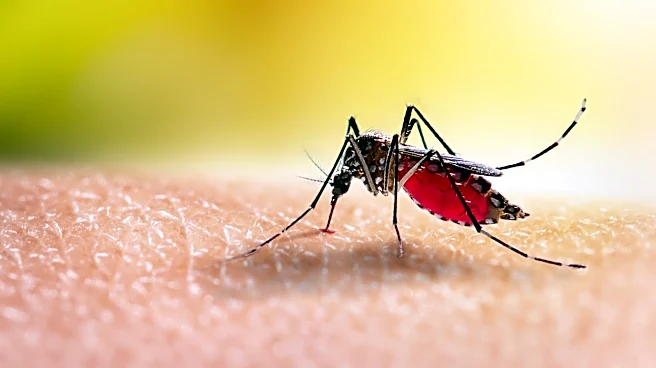








For the first time since 2021, a Michigan resident has contracted eastern equine encephalitis (EEE), a mosquito-borne disease that can cause serious illness and kills 1 in 3 people who are infected, state health officials reported Aug. 19.
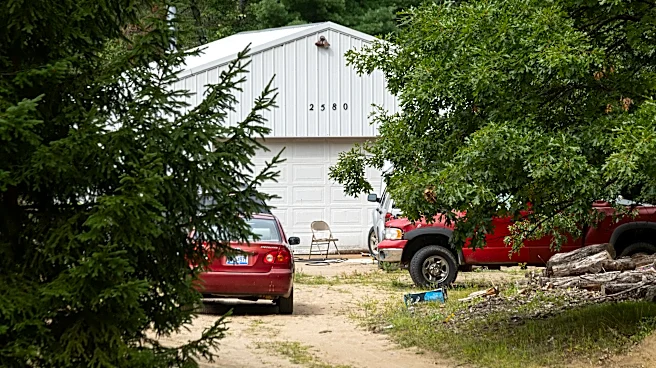
EEE was identified in a resident of Roscommon County, according to the Michigan Department of Health and Human Services. The rare and often lethal virus is passed to humans and horses through the bite of infected mosquitoes.
“It is vital that Michigan residents take precautions against mosquito bites as mosquitoes can carry diseases that can have devastating health effects,” Dr. Natasha Bagdasarian, Michigan's chief medical executive, said in a statement. “EEE is one of the most dangerous mosquito-borne diseases in the U.S.,
with a 30% fatality rate among people who become ill.”

There is no treatment for EEE. Doctors can offer only supportive therapy to help patients breathe, get fluids and nutrition and prevent other infections. In those who survive, it can leave permanent and disabilitating brain damage, personality disorders, seizures, paralysis and cranial nerve dysfunction, according to the U.S. Centers for Disease Control and Prevention.
How Michigan is responding to EEE threat
Health officials are trapping and testing mosquitoes in Roscommon County to assess the level of risk in the area, and are urging residents to take steps to avoid mosquito bites.
State and local health departments, along with the Michigan Department of Agriculture and Rural Development and the Michigan Department of Natural Resources, also are monitoring for signs of EEE in humans, mosquitoes, domestic animals and wildlife.
Prior to this case, there has been no known animal EEE activity in Michigan this year, MDHHS reported.
As part of its arbovirus surveillance effort, however, MHHS has detected West Nile virus and Jamestown Canyon virus in Michigan mosquitoes in 2026. As of Aug. 19, more than 88,000 mosquitoes across the state have been tested in 5,420 mosquito pools, according to the state health department's weekly arboviral report.
From that testing, West Nile virus was identified in mosquito pools in the city of Detroit and the following counties:
- Bay
- Huron
- Kent
- Macomb
- Midland
- Ottawa
- Saginaw
- St. Clair
- Tuscola
- Washtenaw
- Wayne
Additionally, West Nile virus was detected in six birds from Bay, Charlevoix, Kalamazoo, Menominee and Otsego counties and in one squirrel from Delta County.
Jamestown Canyon virus has been identified in 20 mosquito pools in Bay, Kalamazoo, Kent, Midland, Saginaw and Washtenaw counties.
Symptoms of EEE
Symptoms of eastern equine encephalitis typically appear from four to 10 days after the bite of an infected mosquito, according to the CDC. The infection can be either systemic or encephalitic, which involves the swelling of the brain. Some people who contract EEE do not have symptoms at all.
In those who develop a systemic infection, symptoms can appear suddenly and last up to two weeks. They include:
- Chills
- Fever
- Malaise
- Joint and muscle pain
In people who develop the encephalitic infection, the following symptoms typically follow after a few days of systemic illness:
- Fever
- Headache
- Irritability and restlessness
- Drowsiness, disorientation
- Anorexia
- Vomiting
- Diarrhea
- Cyanosis, which is bluish discoloration of the skin resulting from poor circulation or inadequate oxygenation of the blood
- Convulsions
- Coma
People older than 50 and younger than 15 are at biggest risk for developing the most severe form of the disease.
How to protect yourself from EEE
Anyone who is bitten by a mosquito carrying EEE, West Nile virus or Jamestown Canyon virus arbovirus is at risk for developing that virus.
But health officials say that risk is highest for people who live in or near woodlands, people who work outside or take part in outdoor recreational activities and those who don't use screens to keep mosquitoes out of their homes.

To avoid being bitten, the MDHHS is urging Michiganders to reduce the number of mosquitoes around your home and to take steps to avoid mosquitoes by:
- Applying insect repellents that contain the active ingredient DEET, or other U.S. Environmental Protection Agency-registered products with one of the following active ingredients: DEET, picaridin, IR3535, oil of lemon eucalyptus or para-menthane-diol and 2-undecanone. Follow the product label instructions and reapply as directed.
- Wearing light-colored long-sleeved shirts and long pants, shoes and socks when outdoors. Apply insect repellent to clothing to help prevent bites.
- Do not use insect repellent on children under 2 months old. Instead, dress your child in clothing that covers arms and legs and cover crib, stroller and baby carrier with mosquito netting.
- Make sure doors and window have tightly fitted screens. Repair or replace screens that have tears or other openings.
- Emptying water from mosquito breeding sites around the home at least once a week, such as buckets, bird baths, wading pools, unused kiddie pools, old tires or similar sites where mosquitoes may lay eggs.
- Using nets and/or fans over outdoor eating areas and when sleeping outdoors or in conditions with no window screens.
Contact Kristen Shamus: kshamus@freepress.com. Subscribe to the Detroit Free Press.
This article originally appeared on Detroit Free Press: 'Dangerous' mosquito-borne EEE virus infects Roscommon County resident