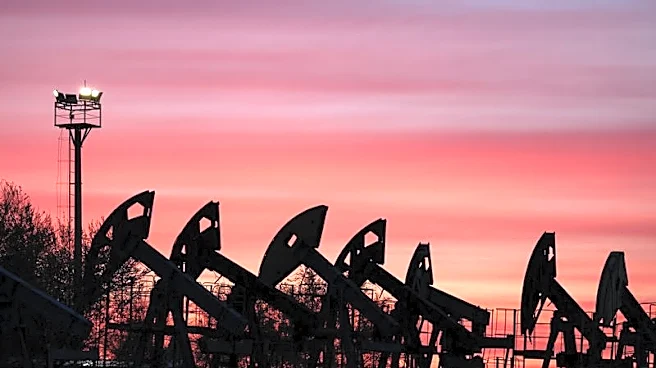





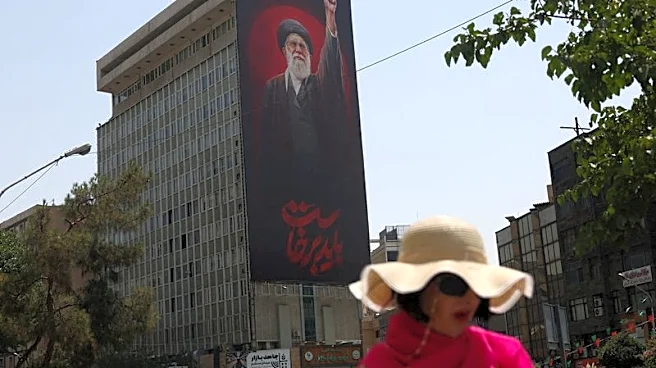
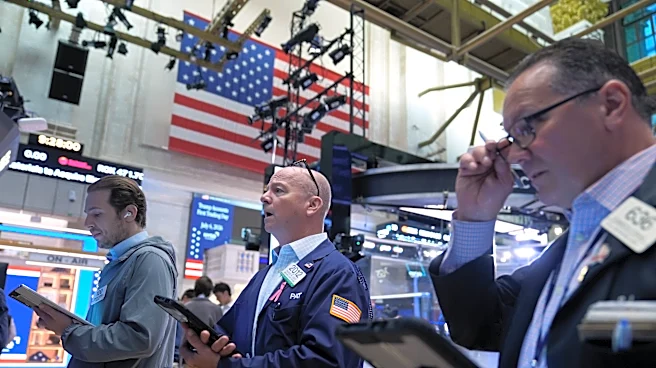

Michigan gasoline prices dipped − on average − a penny, falling to $4.22 a gallon on Monday, July 27, on news that fighting between the United States and Iran had paused, offering a tiny glimmer of hope to folks fearing even higher fuel bills.
Patrick De Haan, head of petroleum analysis at GasBuddy, however, suggested that while oil prices were "dropping notably after both the U.S. and Iran curb new attacks," drivers shouldn't get too excited. It likely means prices at the pump would "inch up, not spike."
"A weekend pullback in hostilities offered some relief," De Haan said, adding that "the pace of increases at the pump may moderate in the days ahead. For now, motorists should expect prices to remain elevated, but the intensity of further gains
will depend heavily on how the geopolitical situation develops in the coming week."
Since the air strikes started in late February, oil and gasoline prices worldwide have gone up and down as the fighting there has repeatedly paused and then escalated with no clear sense of when the conflict or price fluctuations might end.
The slight downturn in gasoline prices in Michigan came after a week in which prices at the pump increased by an average of 7 cents, according to AAA, which tracks them nationwide, and an auto club spokesperson noted that the statewide average continued to "move higher."
Nationally, the average price was $4.11 per gallon on Monday, no change from Sunday.
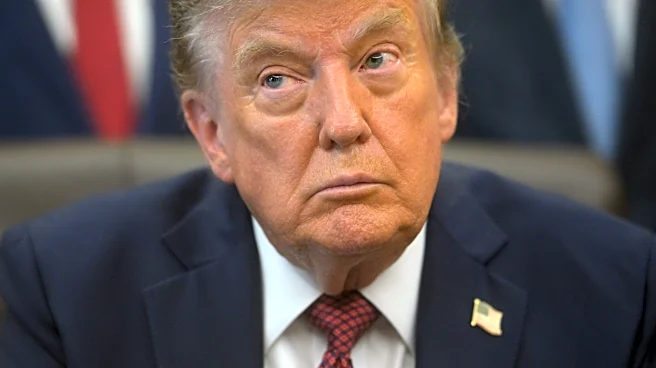
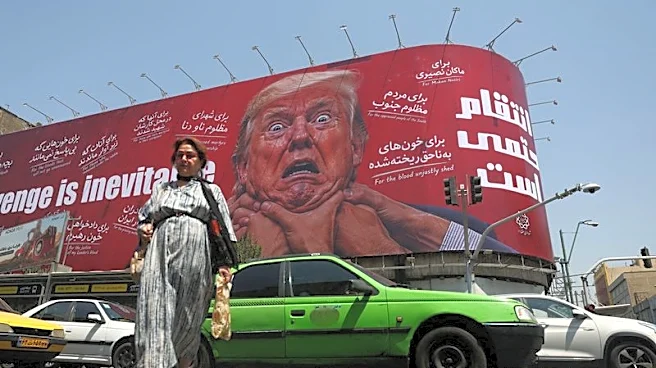
The new price in Michigan seemed to reflect new hope after President Donald Trump seemed to hold off – or halt – plans to escalate the war, and Iran also appeared to — at least temporarily — cease its strikes, leading oil prices, which hit more than $100 a barrel, to fall.
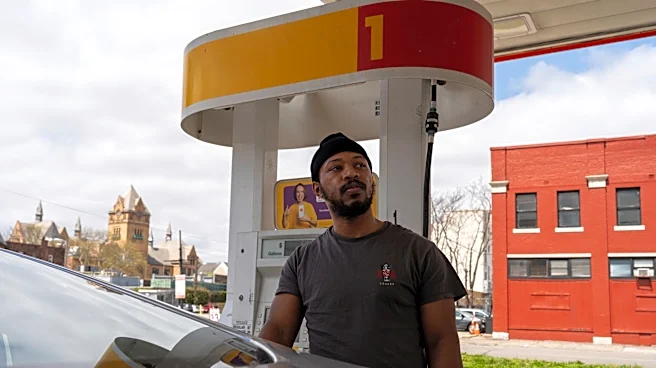
Michigan motorists are paying an average of $63 for a full 15-gallon tank of gasoline.
Across the state, communities with the most expensive gas prices included Ann Arbor, $4.30 a gallon; Benton Harbor, $4.27; and Lansing, $4.26; the least were Traverse City, $4.08; Marquette, $4.12; and Grand Rapids, $4.21.
Petroleum analysts had forecasted that planned strikes against Iran on Friday could have lasted a couple of weeks and drive up gasoline prices, but the White House instead held off, which the Wall Street Journal reported would likely further deplete shrinking stocks of air defense weapons.
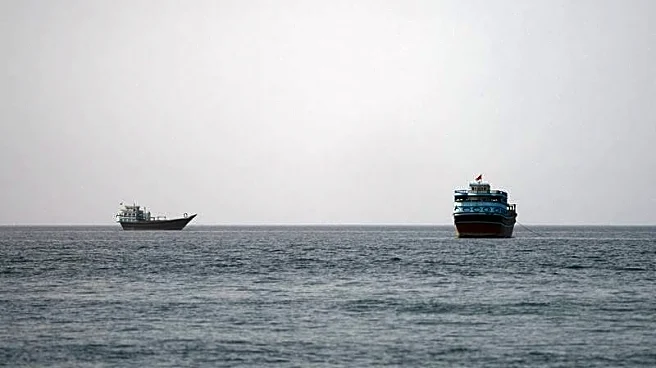
How long the pause will last is uncertain, and oil tankers still face danger in two crucial waterways, the Strait of Hormuz and Bab el-Mandab Strait.
Reuters news service reported Monday that shipping traffic through the Bab el-Mandab, the strait between Yemen and Djibouti and Eritrea connecting the Red Sea to the Gulf of Aden, fell on Sunday after Houthis attacked Saudi oil installations along the Red Sea coast.
Oil traffic is also limited in the Strait of Hormuz.
Contact Frank Witsil: 313-222-5022 or fwitsil@freepress.com.
This article originally appeared on Detroit Free Press: Pause in Iran fighting may mean gas prices 'inch up, not spike'