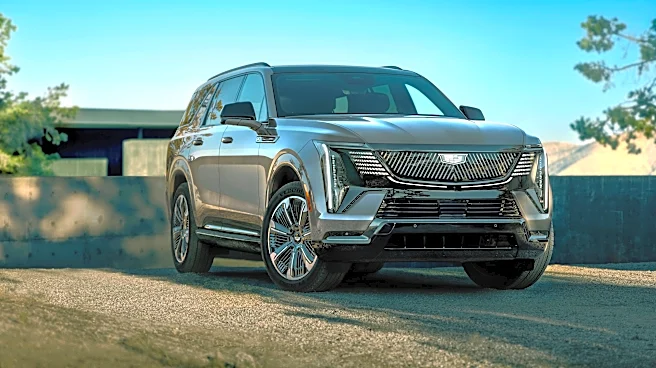




Cadillac secured top honors in owner satisfaction with in-vehicle technology, usurping five-time winner Genesis, in JD Power’s 2026 U.S. Tech Experience Index Study, released Aug. 20.
The index is based on a survey of new 2026 model year vehicle owners and looks at vehicle brands' adoption of technology and execution.
What clinched Cadillac's win this year? Backup cameras, of all things.
In addition to Cadillac's overall win in the premium division for innovation, its Cadillac Escalade earned the comfort and convenience award for its camera rear-view mirror technology, according to Doron Hikry, director of customer success at JD Power. Camera-based technologies tend to perform well in the survey because they deliver immediate, tangible value to drivers.

“Camera rear-view mirrors are a great example of a technology that provides a benefit customers can see right away. They improve visibility, help eliminate blind spots caused by cargo or passengers, and require very little learning or adjustment,” he said. “From an industry perspective, features that improve visibility, simplify routine driving tasks, or reduce friction in the ownership experience tend to perform particularly well.”
The survey looked at 40 automotive technologies in five buckets: comfort and convenience; connected vehicle (with abilities to send and receive data externally); driver assistance (features like cruise control and lane-keeping); electric powertrains and “smart” vehicle (a new category that was not award eligible this year).
JD Power characterizes smart technology as that which simplifies driver tasks, such as smart ignition, which automatically starts and turns off the vehicle based on what the driver does; smart climate control, which uses artificial intelligence to adjust the cabin environment, and more sophisticated levels of hands-free driving systems.
What it took Cadillac to win
JD Power’s 2026 U.S. Tech Experience Index Study ranked brands based on the responses of 68,084 vehicle owners within 90 days of their purchase. Responses were fielded from June 2025 through May 2026 based on vehicles registered from March 2025 through February 2026.
With a score of 641 on a 1,000-point scale, Cadillac ranked highest overall among premium brands for innovation. The score also is more than 100 points above what was scored last year when it came in second to Genesis.
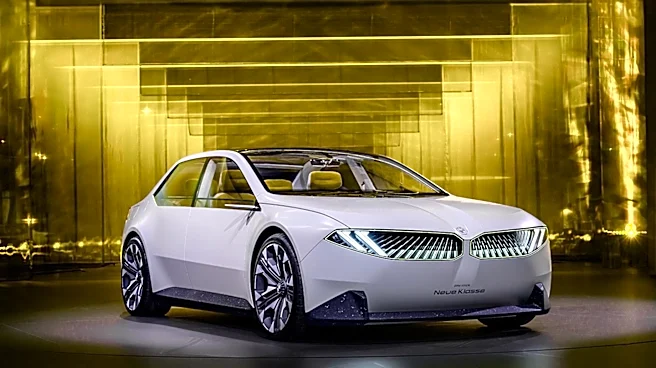
This year, Genesis fell to second with a score of 559, with BMW ranking third with a score of 524.
In the non-luxury mass market category, Hyundai had the top position for innovation for a seventh consecutive year with a score of 524. GMC tied with Kia for second place with a score of 470.
Driving buyer behavior
JD Power noted that affordability is a primary reason why premium vehicle buyers have moved to mass market vehicles this year, and brands must worker hard to offer a luxury experience to make vehicles worth the luxury price tag.
But luxury customers increasingly want value-added features, and not gimmicky or showy ones, Hikry said. These may not be the most attention-grabbing technologies, but they provide meaningful value in everyday use.
“Even among luxury buyers, the expectation is that technology should feel sophisticated without becoming burdensome. The most successful innovations often blend seamlessly into the ownership experience. Customers notice the benefit, not the effort required to use the feature,” he said. “That doesn't mean there's no appetite for cutting-edge technology. It means the bar for execution is higher.”
Other insights from the study
Passenger screen technologies remain a sticking point among customer survey respondents. According to JD Power, more than one-third of owners across brands said they’ve tried to avoid using their screen entirely compared to just 6% who said they use it every time they drive. Screens scored highest in problem rates and lowest in satisfaction scores, too.
Practical technologies ranked highest in terms of what excites customers about future purchases, Hikry said: Active range monitoring (for EVs) scored 83% when ranked for importance for future new vehicle demand. Smart climate control scored 80%, smart ignition 79%, and blind spot cameras got 77%.
“Consumers aren’t rejecting technology. They’re rewarding technology that feels useful rather than technology that exists simply because it can,” Hikry said. “You could certainly interpret the findings as customers responding positively to technology that works quietly in the background. The study consistently shows simplicity and ease of use matter more than novelty.”
Other winners of the tech study:
- The Toyota Tundra got the same comfort and convenience award that the Cadillac Escalade did for the mass market segment, and also for camera rear-view mirror technology.
- For the connected vehicle award, the BMW X6 was the top premium brand and the Hyundai Palisade represented the mass market segment, both for their phone-based digital key.
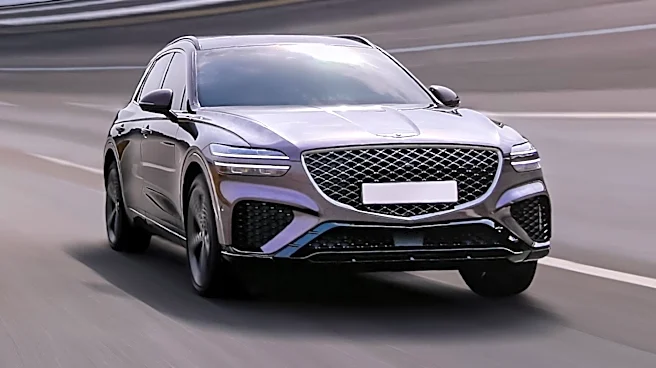
- Driver assistance awards went to Genesis GV70 in premium and the Hyundai Palisade in mass market for blind spot cameras.
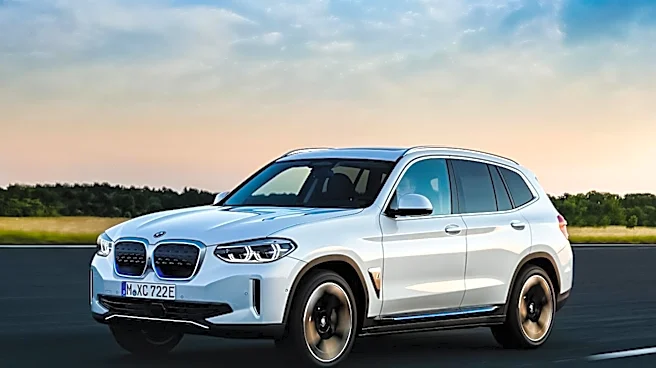
- For electric vehicles, the BMW iX got top marks for one pedal driving. The mass market EV winner was the Hyundai IONIQ 9 for its EV charging scheduler.
Jackie Charniga covers General Motors for the Free Press. Reach her at jcharniga@freepress.com.
This article originally appeared on Detroit Free Press: How Cadillac won top marks in JD Power's 2026 tech experience study