

The election for Michigan’s next U.S. Senator is about much more than just our state, and much more than any one policy. Our election may well decide which party has a majority in the Senate. And control of the Senate will determine the direction of our courts.
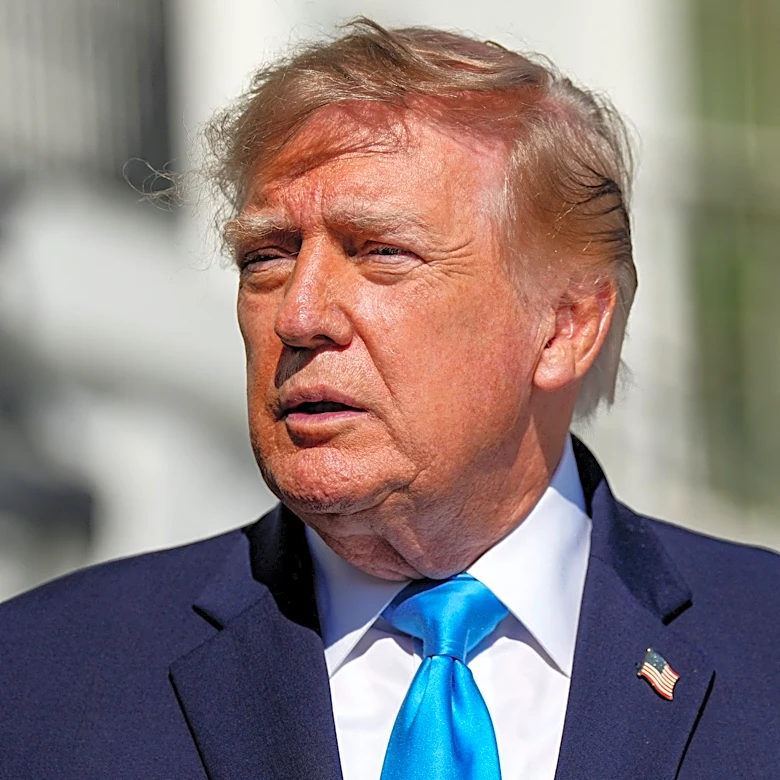
If Republicans hold the majority, they will confirm whomever President Donald Trump appoints. We know from the president’s actions and words that he wants lawless judges and U.S. Supreme Court justices who will approve whatever he does. So he’ll appoint justices and judges who will do his bidding: expand executive power no matter how much he abuses it; authorize all of ICE’s appalling activities ‒ continue warrantless searches and arrests, and violent assaults and killings targeting both
citizens and immigrants; endorse suppression of a free press and attacks on voting; and gut the separation of church and state to promote the idea of a Christian nation.
A Republican-controlled Senate will give us more jurists like Emil Bove, who flatly disobeyed court orders in immigration cases when he was at the U.S. Department of Justice, and played a key role in strong-arming colleagues to end investigations into Trump-related corruption. Trump rewarded him with a seat on the Third Circuit Court of Appeals.
The Senate majority matters more than the Senate seat
Over the past few years, the Supreme Court has overruled Roe v. Wade, gutted the Voting Rights Act, eroded the separation of church and state and used unreasoned “shadow docket” decisions to clear the way for Trump’s abuses of power. It has endorsed major aspects of the administration’s destructive attacks on immigrants. That includes, notably, finding no racial bias in Trump’s decision to kick hundreds of thousands of Haitian and Syrian immigrants out of the country, despite the president’s blatantly racist statements attempting to justify his decision.

Although the court has, by a bare margin, clipped the president’s wings on a few high-profile issues (birthright citizenship, tariffs and the independence of the Fed come to mind), it has repeatedly stretched the law to enable Trumpian lawlessness.
Many critical decisions will come before the courts soon. For example, one current lawsuit would force the Food and Drug Administration to withdraw approval for medication abortion – which would attack reproductive rights everywhere, including Michigan where our laws and constitution guarantee a woman’s right to control her body. Several cases that are pending or soon to come will further challenge freedom of religion. And courts will also soon decide on new rounds of Trump tariffs, Robert F. Kennedy Jr.’s attacks on vaccines and many other crucial questions.
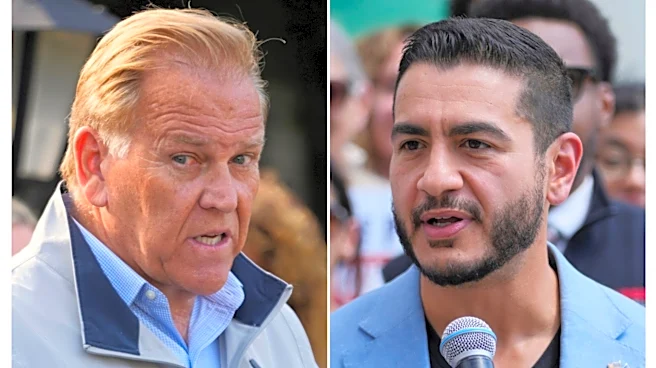
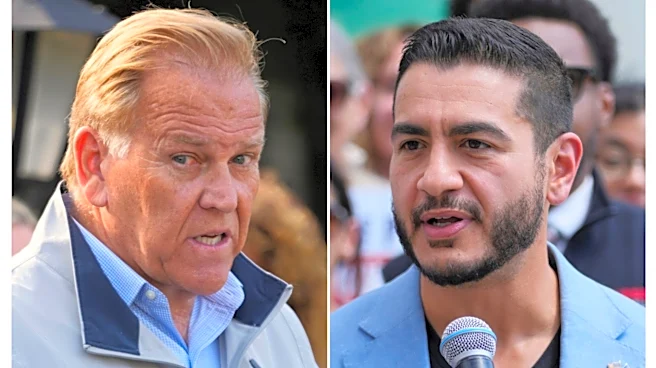
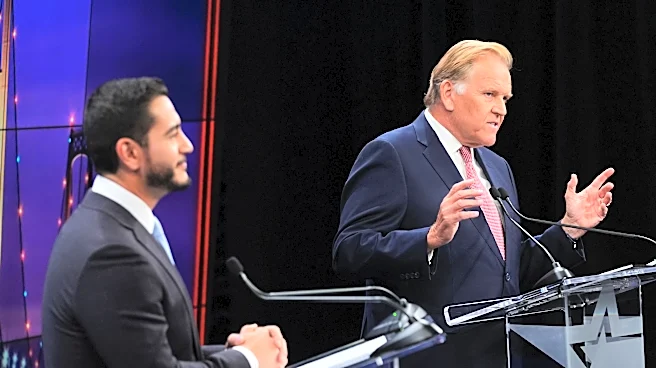
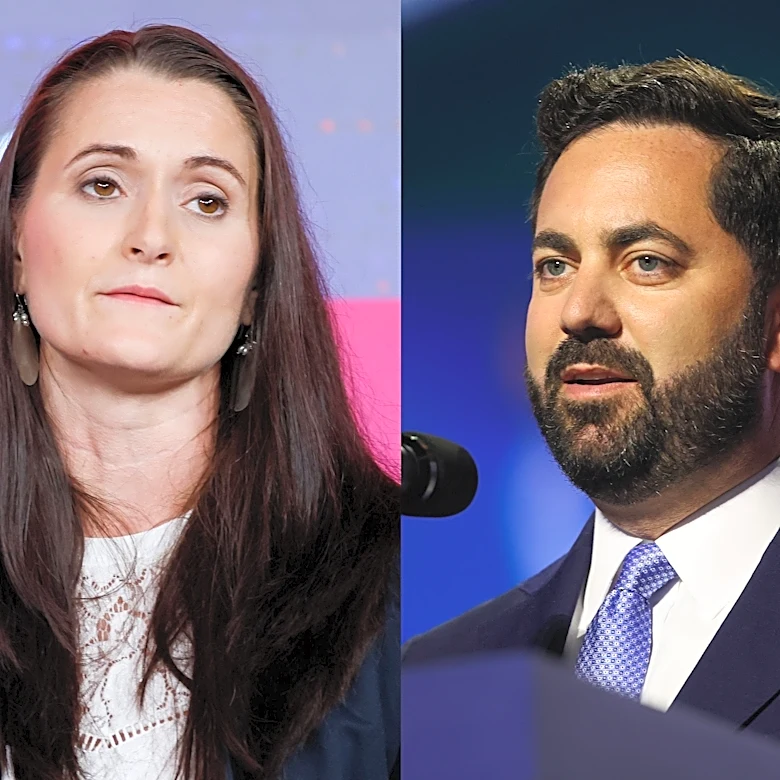
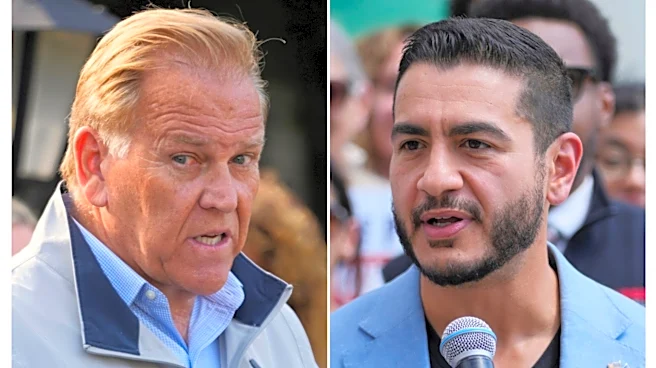
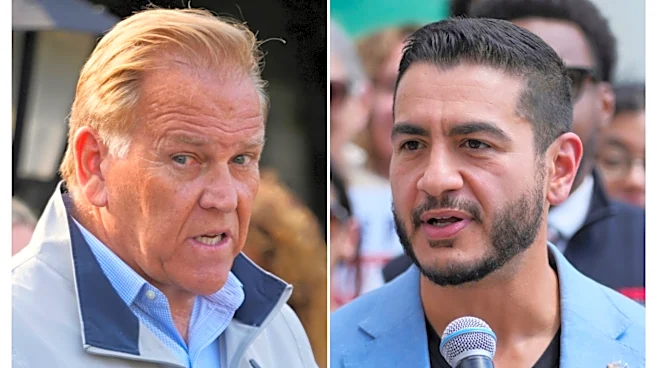
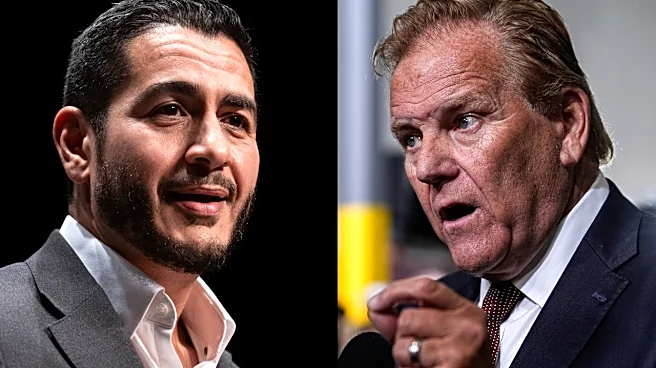
(Editor's note: Democrat Abdul El-Sayed and Republican Mike Rogers are competing for Michigan's open U.S. Senate seat in the Nov. 3 election.)
Federal judges sit for life, so any new Trump appointments will have effects well beyond these immediate cases. Those appointments will mold the judiciary for decades to come. And nowhere is this reality more sobering than for the Supreme Court.
The next Supreme Court vacancy may be closer than it looks
The next high court appointments will shape it for decades to come. Justice Samuel Alito is 76, and Justice Clarence Thomas is 78. There is every reason to believe one or both of them will retire in the next two years to allow Trump to appoint much younger justices to carry forward their legacy. Chief Justice John Roberts has sometimes stood up to Trump, but he is 71 and has had health problems. If Roberts – much less one of the three Obama/Biden appointees – is forced to leave the court, Trump will be in a position to remove any significant limit on his power, and poison court decisions for generations.
Even if Trump does not have an opportunity to reshape the Supreme Court in his next two years, he will have many appointments to the lower courts. The young, conservative lower court judges whom Trump appointed during his first term have rendered many disastrous decisions whose impact will be felt for decades, particularly if a future Supreme Court skews even more conservative. And as the independent journalist Patrick McNeil has extensively documented, many of Trump’s second-term lower court appointments have extensive records of opposing civil rights and reproductive rights, many have repeatedly refused to concede that Joe Biden won the 2020 election and some have egregious records of disregarding ethics.
If Democrats control the Senate, Trump will have to negotiate over confirmation of judges; his most unreasonable choices will not be nominated or will not be confirmed, and our judges and justices will be chosen collaboratively.
There is plenty to think about in the Michigan U.S. Senate race. As you consider your vote, consider what you want our nation’s courts to look like now, and long after Donald Trump has left the scene.
Samuel R. Bagenstos is the Frank G. Millard Professor of Law at the University of Michigan Law School. He clerked for U.S. Supreme Court Justice Ruth Bader Ginsburg and Judge Stephen Reinhardt of the U.S. Court of Appeals for the Ninth Circuit. David B. Jaffe is the former Vice President and General Counsel of Guardian Industries Corp. He clerked for U.S. Supreme Court Justice William H. Rehnquist and Chief Judge James Browning of the U.S. Court of Appeals for the Ninth Circuit.
Submit a letter to the editor at freep.com/letters, and we may publish it in print or online.
This article originally appeared on Detroit Free Press: Michigan’s U.S. Senate race will decide the Supreme Court's future | Opinion