

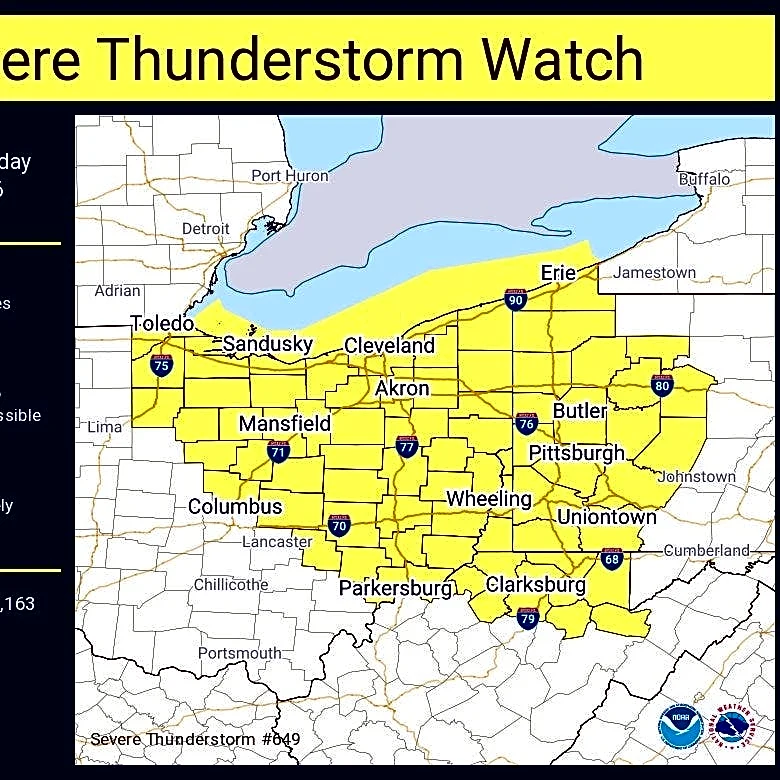




Some communities across the Detroit area are struggling without power after storms rolled through parts of southeast Michigan the afternoon and into the night Wednesday, Sept. 2, and morning of Thursday, Sept. 3.

Nearly 122,000 Michigan electric customers are still without power.
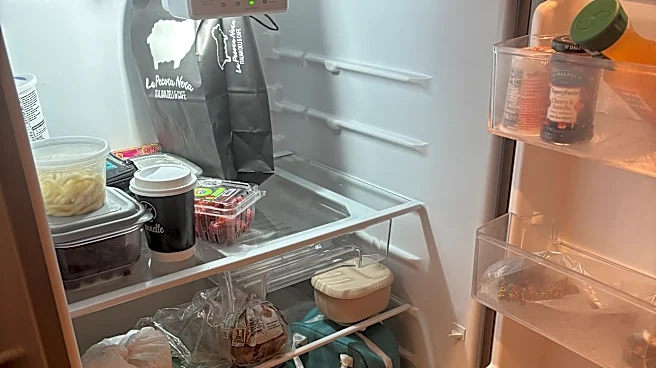
As refrigerators sit idle, food ends up spoiling. But there are ways to keep food safe and perhaps salvage what you have.
Here’s what you need to do to keep food safe and know when and what has to be tossed out, according to the U.S. Department of Agriculture's Food Safety and Inspection Service and the Centers for Disease Control and Prevention.
The first rule to remember is "when in doubt, throw it out." And also, never taste food to determine whether it's OK.
If your
power was out just a few hours and you didn't open the refrigerator or freezer, chances are, the food is fine. A refrigerator should keep food cold for four hours, and a half-full freezer, 24 hours (48 hours if the freezer is full) if you don't open the doors, according to the USDA's Food Safety and Inspection Service. You can transfer the food to a cooler with enough ice to keep the cooler at 40 degrees or below, adding more ice as needed.
Try not to open the refrigerator and freezer doors. Doing so lets the cold air escape.
If you know the power will be out for an extended period, get ice or dry ice to keep food cold. Fifty pounds of dry ice, the Food and Drug Administration says, should hold an 18-cubic-foot freezer for two days. Take care when handling dry ice; don't handle it with bare hands or place it directly on food.
Use a refrigerator-freezer thermometer to check the temperature.
In either the refrigerator or freezer, if the temperature is 40 degrees or below, the food is safe.
The refrigerator will keep food safe for up to four hours. If the power is off longer, transfer the food to a cooler and fill it with ice or frozen gel packs. You need to make sure there is enough ice to keep food in the cooler at 40 degrees or below — replenishing the ice as it begins to melt.
Check the packages. If the food still contains ice crystals or is at 40 degrees or below when checked with a food thermometer, you can refreeze it, but the quality may not be the same.
Group foods together in the freezer to help them stay cold longer.
Keep food on ice in coolers.
Foods to toss
Bacteria can grow in these foods that have been above 40 degrees for two hours or more. Discard the following if your refrigerator has been without power for more than four hours:
- Raw, cooked or leftover meat, poultry, fish, soft cheeses, milk, yogurt, eggs, leftovers, hot dogs, bacon, lunch meats, pizza, shredded cheeses, casseroles, pasta and pasta sauces, cut fruits and vegetables.
- Mixed salads such as tuna, chicken, potato and pasta salads.
- Cream-based salad dressings, sauces and soups.
- Opened mayonnaise, tartar sauce and horseradish if they were held above 50 degrees for more than eight hours.
- Discard any foods like bread or salad greens that may have become contaminated by juices dripping from raw meat, poultry or fish.
- Sour cream-based or any dairy-based dips.
- Fruits and vegetables that have become slimy or spoiled.
- Toss out any food with an unusual odor, color or texture.
Foods to keep
- Condiments, such as ketchup, mustard, jelly, jam, soy sauce and bottled marinade. Typically, these have high salt and sugar content that can act as a preservative. Keep in mind that jams and jellies can grow mold after three or four days. Toss out ones that show signs of mold.
- Butter/margarine.
- Hard and processed cheeses are typically fine.
- Foods that don't actually require refrigeration, like fresh herbs, spices, flour and nuts.
- Fresh bread and rolls.
- Whole fruits and vegetables that show no signs of decay.
How to clean
Once the power is restored, here’s how to care for the inside of your refrigerator or freezer and rid it of any odors.
- Dispose of any spoiled or questionable food.
- Remove shelves, crispers and ice trays. Wash them thoroughly with hot water and detergent. Then rinse with a sanitizing solution of 1 tablespoon unscented liquid chlorine bleach per gallon of drinking water.
- Wash the interior of the refrigerator and freezer, including the door and gaskets, with hot water and baking soda. Rinse with a sanitizing solution. Leave the door open for about 15 minutes.
- Wipe the inside of the unit with equal parts vinegar and water to destroy mildew. Leave the door open and allow it to air out for several days.
- Stuff the refrigerator and freezer with rolled newspapers. Keep the door closed for several days. Remove the newspaper and clean with vinegar and water.
- Sprinkle fresh coffee grounds or baking soda loosely in a large, shallow container in the bottom of the unit.
- Use a commercial product available at hardware and houseware stores. Follow the manufacturer's instructions.
Source: FSIS.usda.gov
The U.S. Department of Agriculture's Meat and Poultry hotline, 888-674-6854, is open 10 a.m. to 6 p.m. on weekdays and recorded food safety messages are available 24 hours a day. For information, visit fsis.usda.gov.
Contact Detroit Free Press food and restaurant writer Susan Selasky and send food and restaurant news and tips to: sselasky@freepress.com. Follow her on X, formerly Twitter: @SusanMariecooks. Subscribe to the Eat Drink Freep newsletter for insider scoops on food and dining in metro Detroit.
This article originally appeared on Detroit Free Press: What to know about refrigerator and freezer foods if the power is out