


The battle lines are now set in the race to replace Gov. Gretchen Whitmer in November. While Michigan's primaries for governor came with few surprises, the intraparty contests offered key insights ahead of the big fight in the fall slated to test whether competing historical election trends will put a Democrat or a Republican in place to lead the state.
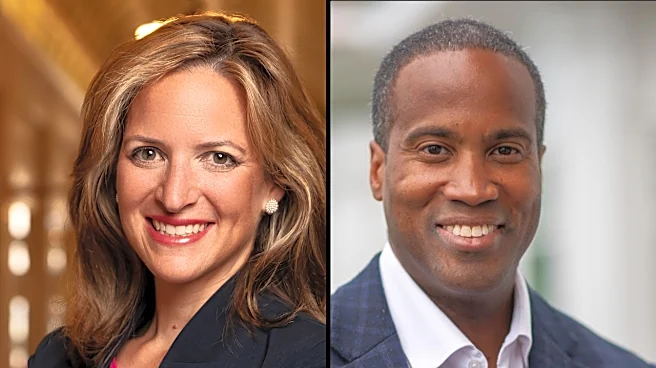
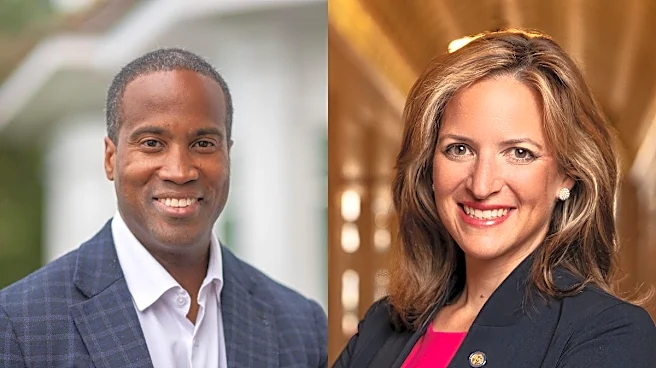
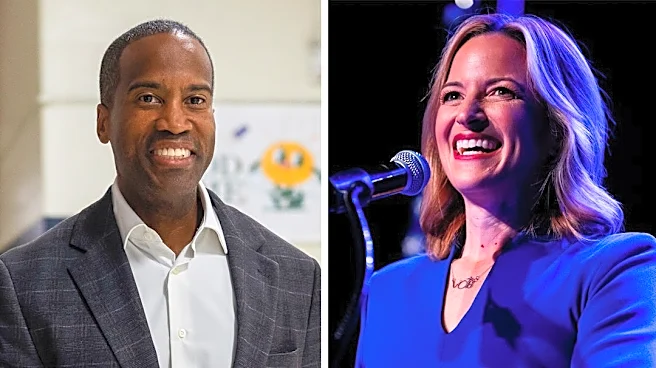
On the Democratic side, Michigan Secretary of State Jocelyn Benson defeated Genesee County Sheriff Chris Swanson in her primary, and on the Republican side, U.S. Rep. John James, R-Shelby Township, beat Oakland County businessman Perry Johnson, according to multiple reports.
The big question facing Jocelyn Benson
Unlike the Democratic primary for Michigan's open U.S. Senate seat, the party's gubernatorial primary exposed few ideological
fault lines between Benson and Swanson. The contest was a low-key affair with Benson consistently leading in fundraising and the polls. (Lt. Gov. Garlin Gilchrist II's decision to drop his bid for governor to run for secretary of state also bolstered Benson's one-on-one bid against Swanson.)
Benson won all 83 counties in Michigan, including Swanson's home county, according to results compiled by the Associated Press and NBC News.
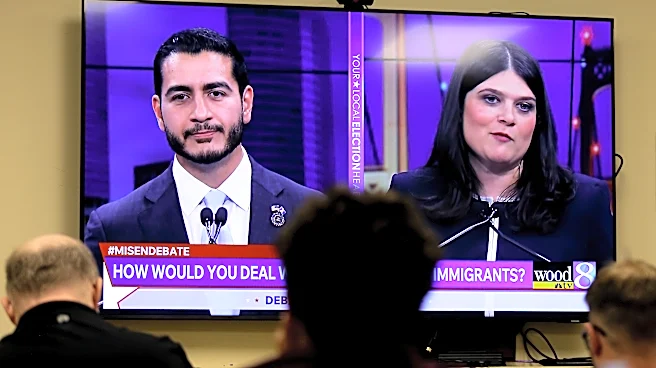
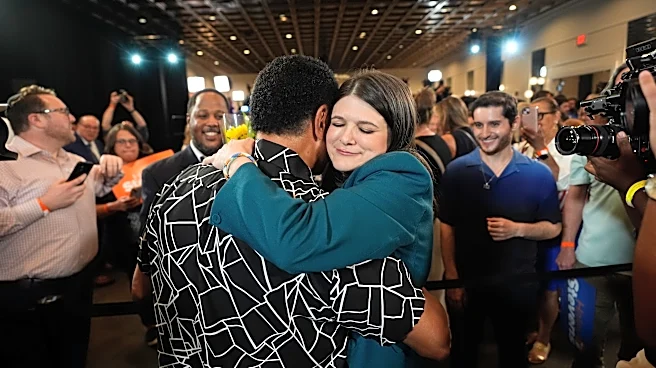
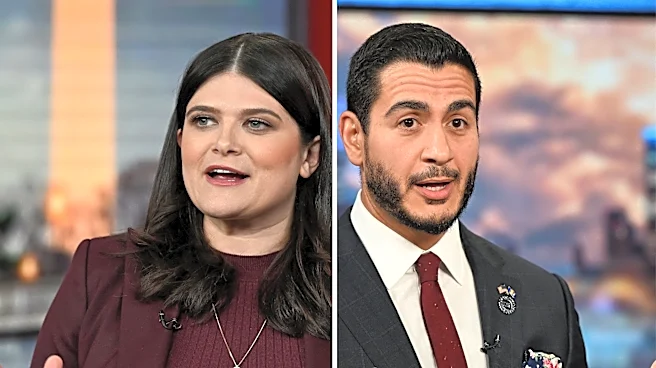
Perhaps the biggest question facing Benson now is whether she will match the progressive energy and fiery rhetoric that fueled former public health official Abdul El-Sayed's victory against moderate U.S. Rep. Haley Stevens, of Birmingham, in the Democratic primary for U.S. Senate. Will voters see Benson and El-Sayed campaign together regularly ahead of November?
Bitter Republican primary poses GOP unity test
James' primary win provided another example of President Donald Trump's hold on the Republican Party with his endorsement of the congressman. Two of James' opponents dropped out and backed James after Trump waded into the race. Despite ending his campaign, former Attorney General Mike Cox still received about 13% of the vote share, a potential warning sign for James. (After announcing his support for James, Cox's advertisements attacking the congressman still ran on TV, according to GOP operatives.)
During his campaign, James faced criticism for skipping GOP candidate forums. He has also frustrated some Republicans with his decision to vacate his current congressional seat, creating an opening for Democrats to pick up Michigan's competitive 10th Congressional District.
While Johnson didn't secure a primary victory from his expensive, self-funded bid, the fierce primary between him and James left Republicans divided and now puts to the test GOP leaders' promises to come together.
Michigan governor's race to test competing historical trends
Michigan voters often mirror the state's mercurial weather patterns when they head to the polls to choose a new governor.
Since the 1982 election, whenever Michigan voters have weighed in on an open race for governor, they have replaced the outgoing leader with one from the opposite political party. Veteran political journalist Tim Skubick, who anchors WKAR's "Off the Record," has dubbed the trend "the governor's open seat curse." If it holds, a Republican should replace outgoing Democratic Gov. Gretchen Whitmer.
Republicans, however, face headwinds from another historical pattern. The midterm election usually entails losses for the president's party.
This is the first election for Michigan governor in which those two trends are expected to cut against each other.
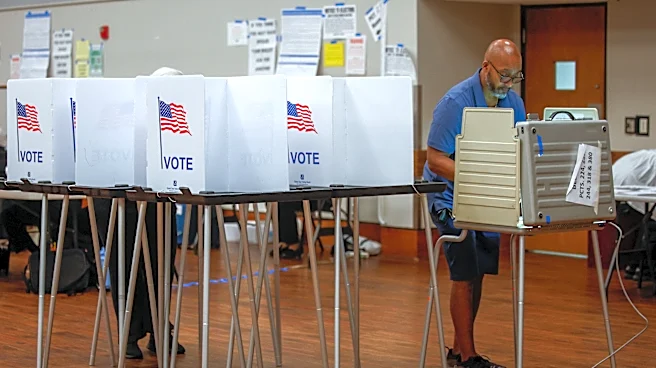
Unofficial election results from the primary show a turnout gap in the contests with Democratic voters surpassing Republican participation. While over 1.4 million Democrats voted in the primary with more votes expected to be added to the total, about 930,000 weighed in on the Republican race, according to the Associated Press and NBC News.
Contact Clara Hendrickson at chendrickson@freepress.com or 313-296-5743.
This article originally appeared on Detroit Free Press: The 3 biggest takeaways from Michigan's primaries for governor