




The city of Detroit is launching a new strategy to ensure thousands of one-and two-family rental properties are certified as safe to live in.
City officials, on Tuesday, Aug. 25, vowed to ramp up compliance of an estimated 85,000 rentals from 14% to 25% within a year. The city's rental ordinance requires that landlords have what's known as a certificate of compliance from the building department to legally operate, but only a third of rental properties are registered and even fewer have passed inspections andobtained an active compliance certificate.
That's going to change, officials said, through a five-point plan that includes tracking illegal properties and sending out notices multiple times before certificates expire. There's also a new way
for tenants to report building issues. They can submit complaints online anytime atwww.detroitmi.gov/TenantSupport. The feedback will be plugged into a tracking system and followed up on based on how severe the issue is.
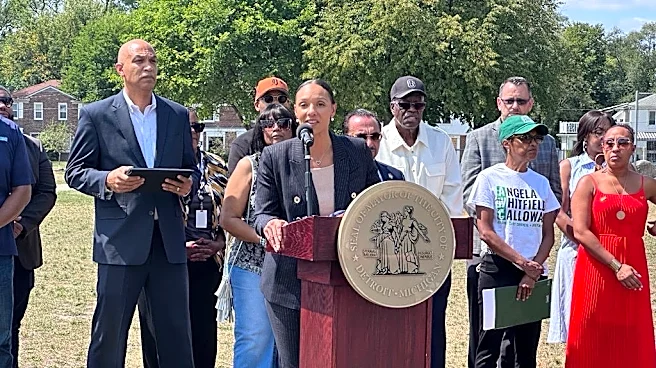
"Our new goal is to increase to 25% by September of next year. This is an ambitious goal, but it is achievable, and more importantly, it's necessary. We will continue partnering with landlords. We will continue educating them and supporting them, and we will continue enforcing the standards that protect our residents because at the end of the day, this is ... more than about numbers and compliance rate. It's about people," David Bell, director of the Buildings, Safety, Engineering, and Environmental Department (BSEED), said at a press conference Tuesday at Peterson Park on Detroit's west side. The plan won't require additional funding or staff, he said.
Officials also touted the number of senior apartment buildings that are up to code, following an announcement earlier this year of plans to crack down on housing conditions at 65 complexes by August. Of 111 senior apartments in Detroit, 88 are now compliant. The city plans to bring the 23 remaining buildings up to code by the end of the year.
"We are going to support responsible landlords who are doing the right thing. We're going to hold accountable those who are not,” said Mayor Mary Sheffield. "And most importantly, we are going to protect Detroiters by making sure that every resident has access to safe, quality housing that they deserve."
The move to increase rental compliance comes after atenants group sued Detroit's 36th District Court last month claiming that its judges allow landlords to illegally collect rent or evict tenants when their properties lack the city-issued safety certification. Bell declined to comment on the litigation but said, "our goal is to make sure … every rental property is compliant, and we're looking forward to the outcome of that proceeding."
Here's how the city plans to bring more rentals up to code:
- Create a "master enforcement list" to help track rentals that may be operating illegally and then get them up to code. BSEED plans to use 36th District Court data, rental registrations, complaint records, utility and postal service data and information from the assessor's office.
- The city plans to reach out to landlords ahead of when their certificates of compliance expire, since each year thousands lapse. BSEED intends to send notices to landlords 90, 60, 30, seven and one day before the compliance certificate is set to expire and assign an inspector to follow up. The department will reach out to landlords without the certificate in the past three years and get their properties up to code within 90 days.
- BSEED inspectors will be assigned specific areas in the city, engaging landlords and getting them compliant. They will "be held accountable for the rate of rental compliance in their area," according to a news release. When asked if inspectors will be penalized, Bell said he didn't want to talk about penalties. The city wants to set a goal for inspectors, he said, and help them achieve it. The assignment of geographic areas is also meant to give landlords someone to contact.
- BSEED will provide "concierge" support to smaller and less experienced landlords to help them navigate the process of getting their properties up to code. The city has broken up the rental landscape into three buckets, each with their own strategies to get properties certified: Landlords with up to four, one- to two-family properties; landlords with five or more, one- to two-family properties, and landlords with multi-family properties with at least three units in each of them.
- The city is launching a public education campaign for tenants and landlords, through social media, its own website, monthly landlord "compliance clinics" at rec centers and an online form to submit complaints.
Rental compliance and lack of enforcement have long been an issue in Detroit, despite repeated efforts totighten rules. This isn't the first time officials have tried to increase the percentage of properties that are up to code.
In 2024, under former Mayor Mike Duggan, thecity sought to bolster compliance from 10%, at the time, to 20% to 30%.
"We're gonna move this needle by any means necessary," Bell said.
In recent months, officials cut a deal with along-criticized landlord to abate hundreds of properties andcrack down on dozens of apartment buildings with maintenance issues. Before that, the city sued Real Token, a blockchain real estate company, for public nuisance violations involving hundreds of residential properties in Detroit.
In Detroit, rental properties must be registered and pass a 15-point safety inspection. If the rental is in good condition, the city issues a certificate of compliance. Properties without this certificate can be ticketed hundreds of dollars and can be subject to liens for unpaid tickets, according to a Detroit rental ordinance guide. It costs landlords $225 per property to get a certificate of compliance.
In 2024, Detroit City Council approved changes to the rental ordinance in an effort to crack down on negligent landlords and boost inspections. Since that overhaul, landlords recently told Outlier Media earlier this year that they appreciated clearer rules but said trying to follow them is a challenge.
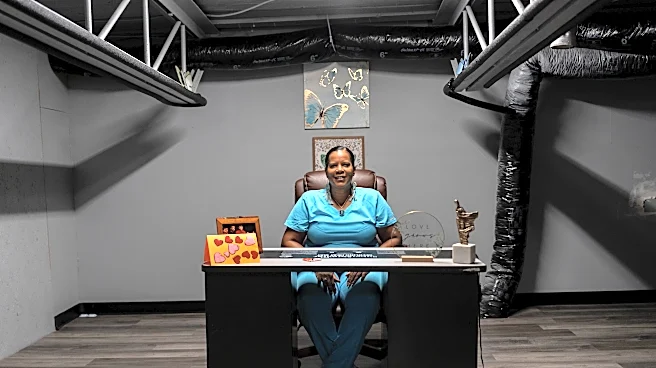
Detroit landlord Sylvia Green said on Tuesday at the news conference that the certificate of compliance process can be intimidating and daunting but that landlords are responsible for the tenants they bring into properties. She and her husband have eight rental properties and spent a $1,000 fee to get certificates of compliance. Being a landlord is a business, she said. Getting homes up to code requires budgeting and planning.
"We want them to be safe. We want them to have a home that they can be proud of," she said about tenants.
Sheffield said the city plans to announce a rental escrow program in the coming weeks for residents living in non-compliant homes that will help bring properties up to code as well.
Reach reporter Nushrat Rahman at nrahman@freepress.com.
This article originally appeared on Detroit Free Press: Detroit aims to bring 9K rentals to code by September 2027