



A Novi camper was bitten by a rattlesnake in Commerce Township, authorities in Oakland County said.
The camper encountered a rattlesnake at Proud Lake on Tuesday, July 21, and was taken to the University of Michigan for treatment, County Sheriff's spokesperson Tyler Sweers said in a text.
The township fire department posted on its Facebook page on Wednesday, July 22, that it responded to a "rare medical emergency" that day involving an adult who was bitten by a rattlesnake in the township, and the person was taken to a hospital for treatment. The person's condition is unknown.
Messages were left for the fire chief, who could not be immediately reached for comment Wednesday, July 22, for additional details.
Where do Michigan's only venomous snakes live?
The fire department's Facebook post did
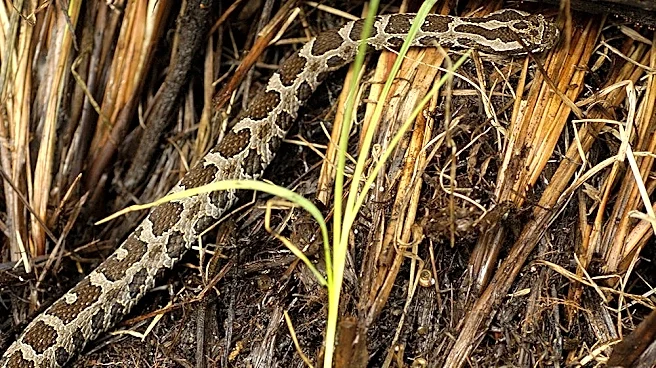
not specifically say what kind of rattlesnake bit the person, but it included a picture of an eastern massasauga rattlesnake, the only venomous snake in Michigan.

These rattlesnakes are shy and will avoid humans whenever possible. They spend the vast majority of the time in year-round wetlands hunting their primary prey, which is mice, according to the Michigan Department of Natural Resources website. It said these snakes are found throughout the Lower Peninsula, but not the Upper Peninsula.
It is one of only two rattlesnake species that occur in the Great Lakes region, according to Michigan State University's Michigan Natural Features Inventory website. It said Michigan "appears to be the last stronghold for this species with more massasauga populations currently than any other state or province within the species' range."
Massasaugas usually are active between April and late October. It said Eastern massasaugas have been reported from about 150 sites in 50 counties within the last decade, including Oakland, Livingston, Jackson and Washtenaw counties in southeast Michigan.
The state DNR said the eastern massasauga is a rare sight for most residents; its population has been declining from fragmentation and loss of wetland habitat, and it is listed as a threatened species by the U.S. Fish and Wildlife Service under the Endangered Species Act. The federal agency said on its website that the rattlesnake is a small pit viper in the northern Midwest United States and Ontario, Canada, and was listed as threatened in 2016.
How to identify the eastern massasauga
The state DNR said the snake's thick body is colored with a pattern of dark brown, slightly rectangular patches set against a light gray-to-brown background. Occasionally, the coloration can appear to be almost black. The snake's belly is mostly black.
The state agency said this is the only Michigan snake with segmented rattles on the end of its tail and elliptical and "catlike" vertical pupils in the eyes. Its neck is narrow, contrasting with the wide head and body, and its head appears triangular in shape. An adult is 2 to 3 feet long, according to the state DNR.
"These rattlesnakes avoid confrontation with humans; they are not prone to strike – preferring to leave the area when they are threatened. Like any animal, though, these snakes will protect themselves from anything they see as a potential predator," according to the state DNR's website. "Their short fangs can easily puncture skin, and they do possess a potent venom ... The few bites that occur to humans often result from attempts to handle or kill the snakes."
It said the snake is the smallest and has the least toxic venom compared to other rattlesnakes found in the United States.
The Michigan Natural Features Inventory said eastern massasaugas sound their rattle when alarmed, but will occasionally strike without rattling when surprised. The rattle sound of the massasauga is best described as a buzzing sound, similar to one made by a bee stuck in a spider web.
It said fatalities from bites are "very uncommon" because the short fangs can only inject a small volume of venom. It said Michigan poison control centers report about 16 massasauga bites in a typical year.
What to do if you encounter a rattlesnake
The fire department, in its Facebook post, said rattlesnake bites are "extremely rare, but they can happen" and to stay alert when enjoying parks, trails, wetlands and wooded areas. It provided tips on what to do if encountering a rattlesnake, including:
- Stay calm and keep your distance
- Never try to handle, capture or kill a snake
- Keep children and pets away from the area
- Call local authorities if the snake poses an immediate risk
It also offered tips on what to do if someone is bitten by a snake, including:
- Call 911 immediately
- Keep the person calm and as still as possible
- Immobilize the bitten extremity and keep it at or slightly below heart level
- Remove rings, watches or restrictive clothing before swelling occurs
- Do not cut the wound, try to suck out venom, apply a tourniquet or use ice, as that can cause more harm
Contact Christina Hall: chall@freepress.com. Follow her on X: @challreporter.
Support local journalism. Subscribe to the Free Press.
Submit a letter to the editor at freep.com/letters.
This article originally appeared on Detroit Free Press: Michigan camper bit by rattlesnake in Oakland County