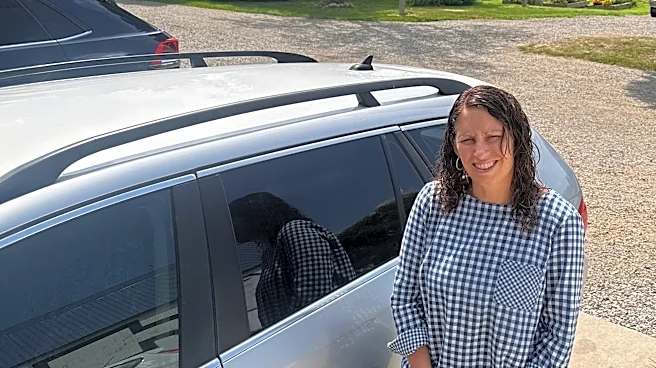




Jennifer Wortz is on a mission to help consumers across Michigan — who are paying among the highest auto insurance rates in the nation — find some relief.
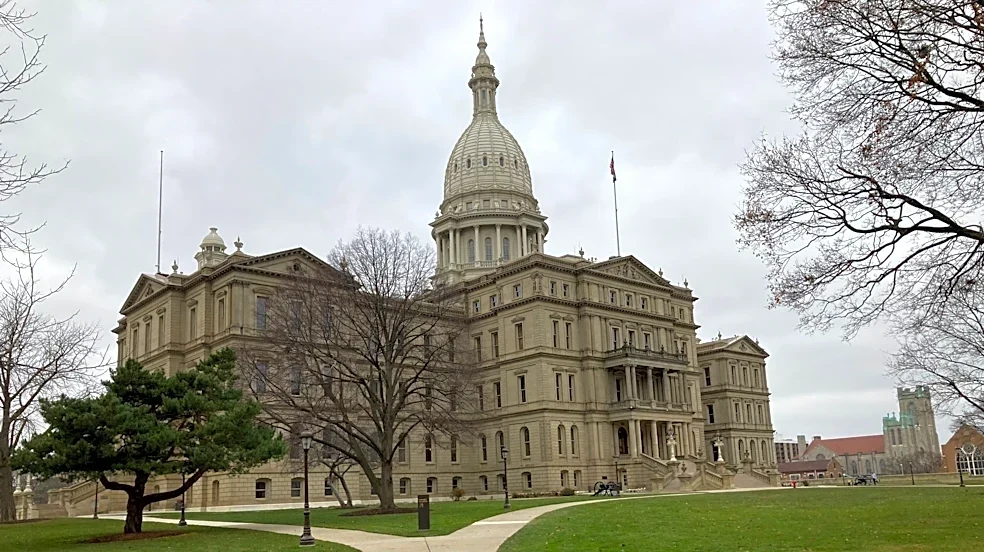
The Republican state legislator from Quincy, just east of Coldwater, is one of those who are focusing on the subject including Joe Tate (a fellow state rep from the other side of the aisle, D-Detroit), Michigan Secretary of State Jocelyn Benson and businessman Eric Poe.
While the majority of states experienced auto insurance rate relief in 2025, Michigan drivers had a 13% rate increase, costing an additional $356 on average, according to Insurify’s database of over 250 million auto insurance quotes it examined.
Michigan drivers have the fourth-highest auto insurance bill in the country, increasing
from the 11th highest in December of 2024, Insurify found. Michigan drivers pay roughly $1,000 more than the national average cost of insurance.
Drivers in the Great Lakes State pay $3,229 a year for full-coverage car insurance, while Detroiters pay a whopping $5,894, it found.
For Wortz, a mom of four grown children, the issue is personal. When her 22-year-old daughter graduated from college and got a job as a teacher in Oklahoma, she inherited her mom’s 2014 VW Jetta. Wortz was shocked to find out her daughter was paying one third less for the same insurance because she lived in another state with cheaper rates.

The issue came to light again last week when Wortz — who often visits schools in her district — stopped by Bronson High School. She was taken aback when teens started complaining about it.
For many young people, it’s a job killer. Not being able to afford insurance on top of a car payment makes prospects of getting to a job out of reach when you live in a rural area.
Wortz, along with Tate, introduced a four-bill bipartisan package (House Bills 5886–5889) in April aimed at lowering Michigan's high auto insurance costs by reducing mandatory Personal Injury Protection (PIP) minimums and Bodily Injury Liability (BIL).
The bills would give insurers the option to offer lower levels of personal injury protection coverage statewide, including extending the current $50,000 option for Medicare covered individuals to all drivers. Among other things, they would lower minimum bodily injury liability limits from $50,000/$100,000 to $25,000/$50,000 to match standards in other states.
“We have to address the rising cost of auto insurance,” Wortz said. “The best way to do that is by giving Michigan drivers more choices in coverage. ... My Indiana neighbors pay 30%-50% less for auto insurance.”
She added, “Right now, it’s like we’re being told we have to buy a Cadillac Escalade when all you can afford is a Ford Focus."
The legislation would build on Michigan’s 2019 bipartisan auto insurance overhaul, signed by Gov. Gretchen Whitmer, which introduced tiered PIP coverage options and was designed to lower costs while maintaining protections.
The new bill package had a hearing in the House Insurance Committee in September and is awaiting a vote so it can be passed on to the House for further consideration.

High cost resonates
The high costs of auto insurance is resonating with Jocelyn Benson, Michigan’s Secretary of State, who lives in Detroit.
“I‘ve heard from a lot of people about issues, and auto insurance costs is a top concern," she told me. Benson, who is running for governor, told me if she is successful, she’s planning to create a task force to address it.
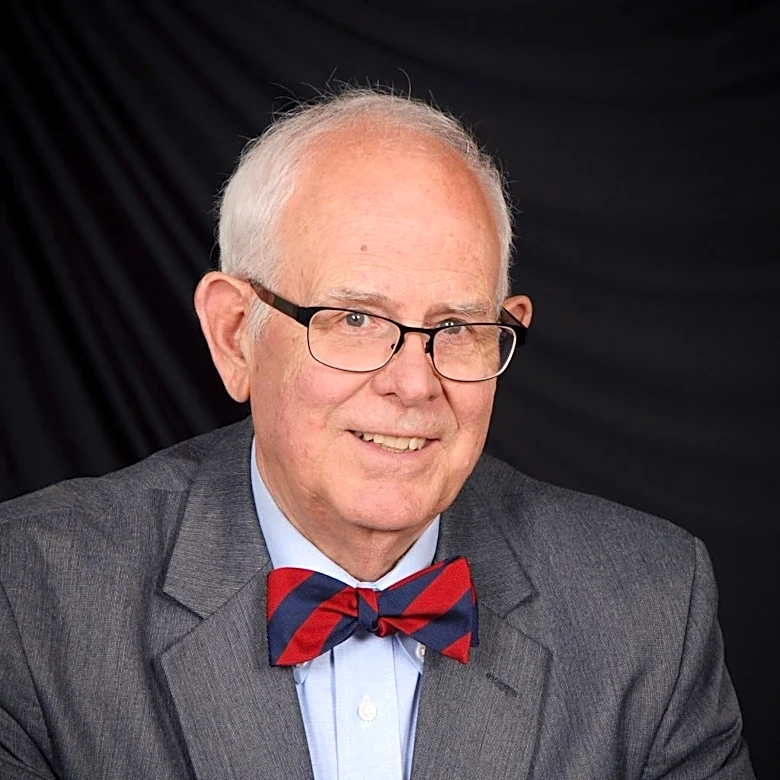
Someone who has been talking about this for years is Eric Poe, CEO of CURE Auto Insurance. The New Jersey-based insurer entered the Michigan market in 2020.
He opened an office in Detroit and made his mark marketing auto insurance typically at rates that are 30% lower as they don’t use things like credit scores in determining rates.
CURE writes policies in New Jersey, Michigan and Pennsylvania and has over 100,000 customers here. He’s been invited to talk about it before leaders in Washington, D.C., and in Lansing. I posed a few questions to Poe. His answers edited for length.
QUESTION: What is it that leaders here are missing about rising auto insurance rates?
ANSWER: "They’re missing that Michigan’s system is beyond broken. It lines the pockets of certain personal injury lawyers and medical providers, while drivers get stuck with the bill. The original no-fault law took effect in 1973. It assumed doctors, pharmacies and attorneys handling no-fault patients would not over-treat, overbill or abuse the system. That assumption was dead wrong.
"Today, some estimates show that 40% of Michigan’s civil lawsuits involve disputes over bills that medical providers submit to car insurers.
"Whether we pay the inflated bill or spend money fighting it, innocent drivers pay the price."
Q: Why are Michigan’s rates so high?
A: Abuse, fraud and a court system that puts too much pressure on car insurers to pay bills they should be allowed to fight. There needs to be a real price for fraud. Michigan needs tough penalties that are actually enforced. Otherwise, it’s handing people a license to steal. And who pays? Law-abiding drivers.
Q: Have you had a chance to see the package of bills introduced in Lansing; your thoughts?
A: Yes; they are a huge start. I believe the expanded coverage options and other reforms in these bills could keep CURE in Michigan and drive down rates by more than 40%. That’s how much is at stake. Stop the abuse, cut the needless lawsuits and let us put those savings back into drivers’ pockets.
Q: Any suggestions what else might lower auto insurance costs for Michiganders?
A: Stop making it cheaper to pay a bad bill than to fight it. As long as that’s how the system works, the abuse will continue. We need to adopt fraud penalties like New Jersey’s — where if a car insurer can prove a pattern of fraud —they are entitled to three times their damages. We need a fraud prevention act with teeth.
Contact Carol Cain at clcain@cbs.com. She is senior producer/host of "Michigan Matters," which airs 5:30 a.m. Sundays on CBS Detroit and 9:30 a.m. Sundays on CW Detroit 50. See Michael Bouchard and Christina Hines, candidates for Michigan's 10th Congressional District, and Eric Lupher of Citizens Research Council. You can also watch the show simultaneously on the two stations' listings on Fubu, Pluto TV, YouTube TV and Apple TV.
This article originally appeared on Detroit Free Press: Why a CEO and other leaders want to lower Michigan car insurance costs