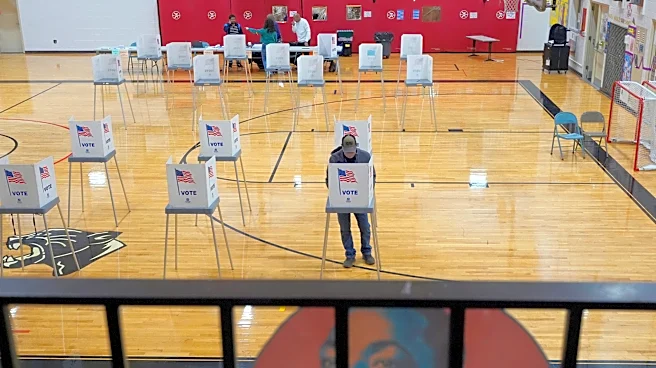

By tonight, it will all be over. And when Michigan's tumultuous, turgid U.S. Senate primary finally ends, we'll know a lot more: Who won, of course. But how is nearly as important as who.
On the GOP side,
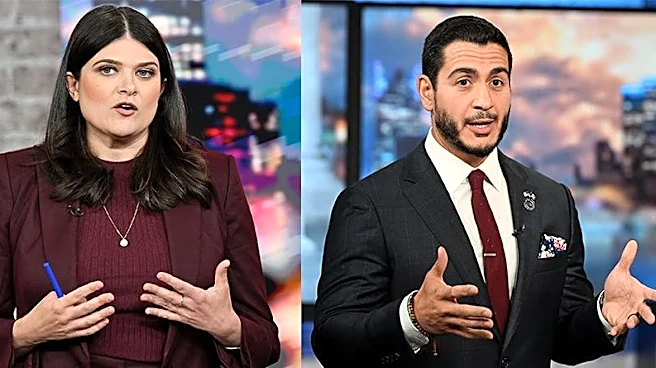
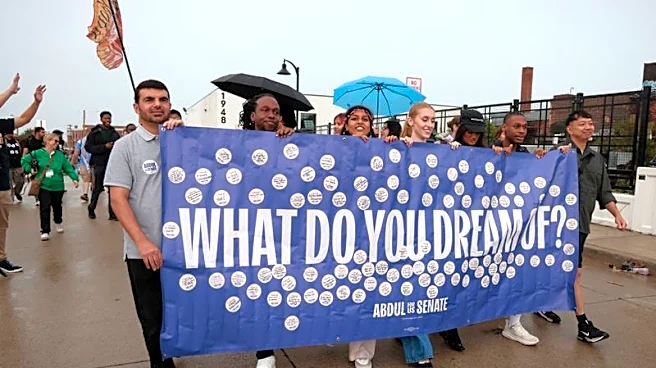
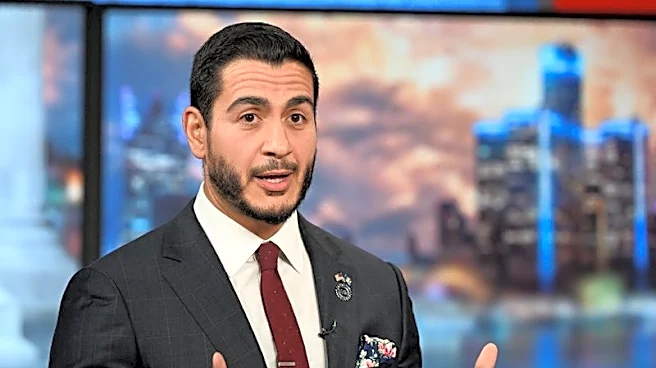
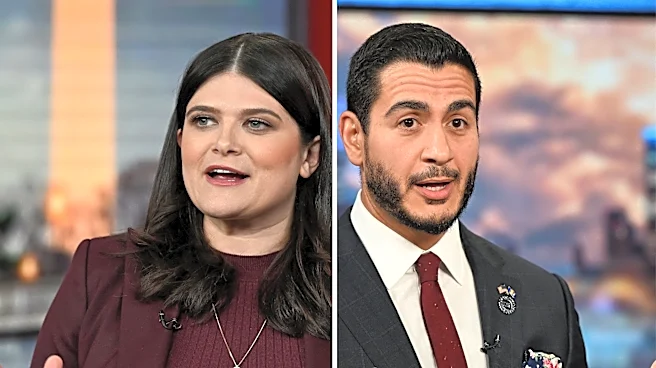
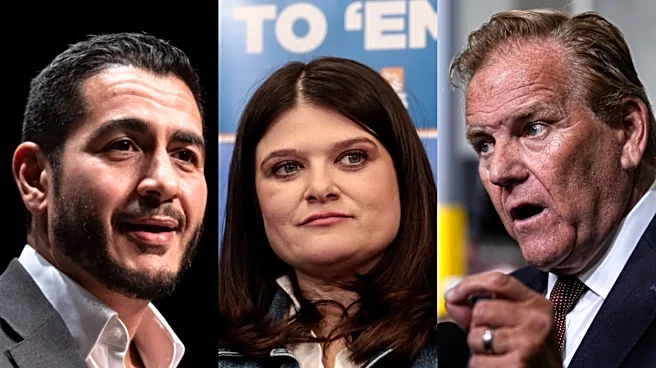
former U.S. Rep. Mike Rogers faces no opposition and is assured his party's nomination. All of the action here is on the Democrats' side: Michigan Dems will choose either progressive Abdul El-Sayed, a former public health administrator, or moderate U.S. Rep. Haley Stevens, D-Birmingham, to face Rogers this fall. And that's when the real fight starts.
Who's really electable?
There are about eleventyjillion ways to understand this election, and one of them is "electability," a word that can mean whatever the speaker wants it to mean.
A central part of centrist Stevens' argument is that Michigan is a purple state. Exhibit A, of course, is U.S. Sen. Elissa Slotkin's narrow win over Rogers in 2024, a red wave year. Progressive or Democratic Socialists of America candidates' wins have, largely, happened in deep blue states or districts. This primary is a test case for whether, by this logic, El-Sayed is too radical to win in Michigan. That's where things get fuzzy.
El-Sayed, who is not a member of the Democratic Socialists of America and says he is a proud capitalist, endorses positions like Medicare for All and abolishing U.S. Immigration and Customs Enforcement. Whether those positions will appeal to mainstream Dems and independents is a fair question. I tend to agree with El-Sayed; Michigan voters believe the country is on the wrong track, and are more interested in unconventional policy ideas than past electorates. But the policy question is, in its way, a red herring. A lot of Michiganders debating policy in public are asking another question in private: Will Michiganders vote for an Arab American Muslim?
El-Sayed's supporters argue that, actually, he's the only electable candidate; with more than $50 million in outside spending, they note, Stevens is, at best, just neck-and-neck with El-Sayed, while El-Sayed has enthusiastic grassroots support and an energizing policy agenda.
Today's outcome, of course, won't settle this question. Electability among a small, dedicated group of primary voters is one thing, but the top vote-getter has to rally not just the party's base, but the independents whose loyalty fluctuates from cycle to cycle, and whose votes have an outsized impact in Michigan elections.
Who won what where?

I'm closely watching the vote in Oakland and Kent counties, and the city of Detroit. Detroit is a Democratic stronghold, but voters here don't always back progressive candidates. El-Sayed, who ran for governor in 2018, finished third in Detroit in the Democratic primary, behind now-U.S. Rep. Shri Thanedar, D-Detroit, and Gov. Gretchen Whitmer. And poor voter turnout in the city has diminished the power of Detroit's voice in statewide and national politics. Turnout in gubernatorial general elections tends to hover in the 30th percentile, compared to the 60th statewide.
One in seven ballots statewide is cast in Oakland County, where there are now more Democratic votes than in the city of Detroit, and where there is a larger population of swing voters. Kent County, once solidly Republican, is becoming bluer with every cycle. And I'm also paying attention to rural Dems. In the 2022 general election, Democratic ballots cast outside the 10 most populous counties accounted for more than 700,000 votes. If El-Sayed does well outstate, that bodes well for his prospects in November.
If Stevens wins, the takes are fairly predictable: The establishment was right, vocal online support doesn't translate into ballots cast, Michigan isn't ready for a statewide progressive candidate.
If El-Sayed wins, the analysis is more complex, and understanding the components of his win will be crucially important. If El-Sayed turns out significant numbers of new or low-propensity voters, says pollster Richard Czuba, "what we know about November should be thrown out the window."
What do we know about November?
A pair of recent polls have shown El-Sayed losing to Rogers in the Nov. 3 general election. The most straightforward way to interpret those results is that El-Sayed is weak in a head-to-head match-up. But there's another way to look at it: El-Sayed and Stevens have spent the last year or more in a knock-down, drag-out campaign, while Rogers, with no primary opponent, has sat on the sidelines unbloodied.
That's going to change before November. Rogers is an extremist whose beliefs are out of step with most Michigan voters, and the general election campaign will surface those concerns. Viewed from another angle, an Epic MRA poll released Monday showing Rogers ‒ a candidate so flawed he couldn't squeak out a victory over Slotkin in a red wave year ‒ with a margin-of-error three-point advantage over El-Sayed in the general isn't bad news for El-Sayed; it's bad news for Rogers.
Nancy Kaffer is the editorial page editor of the Detroit Free Press. Submit a letter to the editor at freep.com/letters, and we may publish it in print or online.
This article originally appeared on Detroit Free Press: What's going to happen in Michigan's U.S. Senate primary | Opinion