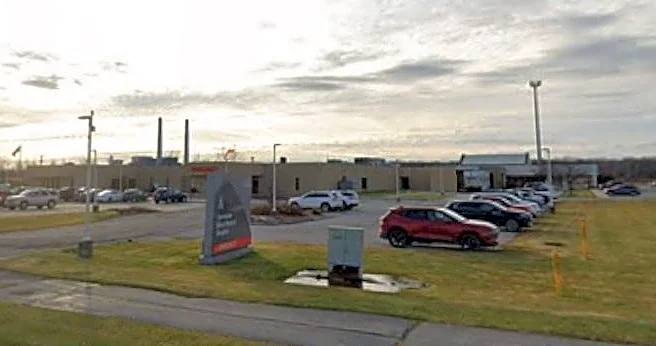





While the rest of us are firing up the grill or getting ready for a parade this morning, a nurse is starting a shift at the Dingell VA hospital downtown. A customs officer is working a lane on the Ambassador Bridge. An air traffic controller at Detroit Metro is watching your family’s flight come home. A corrections officer in Milan is walking a housing unit at the federal prison.
None of these federal employees are getting the holiday off, because the work does not take Labor Day off. Tomorrow the rest go back in. The claims examiner. The food inspector. The woman at the Social Security office helping somebody’s grandmother straighten out a benefits check she cannot afford to lose.
For two years now, this country has argued about federal workers
as if they all live in Washington. But that’s not true – 85% of federal employees live outside the D.C. metro area.
About 54,000 of them work right here in Michigan. They live in Southfield and Westland, in Warren and Battle Creek. They live on your block. A great many of them are veterans. They coach your kids and sit in your pews. They took an oath to the Constitution, and meant it.
Decisions about these people’s lives are made in Washington. But the consequences don’t stay there.
The workforce shrank. The workload didn't.
In one year, this administration cut the federal workforce by close to 238,000 people. That’s more than a 10% cut. Michigan felt that. Federal jobs now make up 1.2% of all the jobs in this state, one of the smallest shares on record.
Most of these jobs didn’t come out of a building on Pennsylvania Avenue. They came out of clinics, field offices, labs and border crossings in places like this one.
When you cut the person, you do not cut the work. The veteran still needs his appointment. The senior still needs her benefits check. The food still needs inspecting. So the appointment slides out three months. The line at the Social Security office tomorrow morning is longer than it used to be. The inspection does not happen at all.

That is not efficiency. It is a bill that comes due later, right to your address.
When a federal paycheck disappears, local economies feel it first
Then there is the money. Every one of those 238,000 paychecks went into a grocery store in a place like Detroit, into a church plate in a town like Rochester, or a tax base that pays for a local school. In Wayne County, a federal job lost is one more household trying to hold on. Go north, and it is the whole town. In Iron Mountain, the VA hospital is one of the biggest employers for a hundred miles in any direction. When those jobs go, nobody opens a plant to replace them.
And then there's the ladder. Whatever you think of the federal government, a federal job has been one of the most reliable ways into the middle class this country ever built. A pension. Health care. Pay a family can actually live on. For veterans, it has been the straightest path of all, and it is why so many of them end up in these jobs.
Set aside defense and the Postal Service, and close to two-thirds of Michigan’s federal jobs are at the VA. A lot of what is being cut here is veterans taking care of veterans. Cut tens of thousands of those jobs, and you are not trimming a budget in Washington. You are pulling up a ladder in Lansing.
Behind every public service is a worker most Americans never see
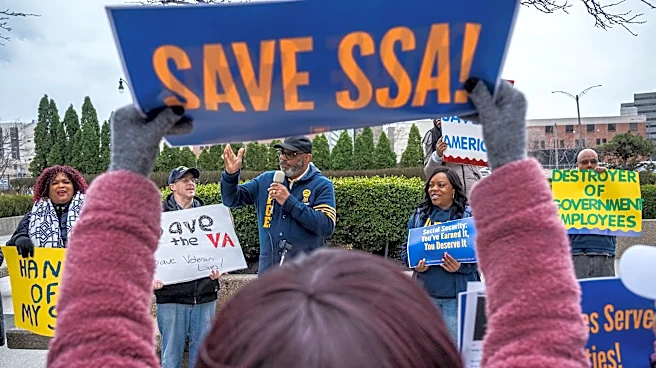
I have spent more than 40 years representing the people who do this work. People assume a union like ours exists to keep bad employees on the payroll. That has never been the job.
The job is making sure the people doing the work can say what they see. When something is going wrong inside an agency, the first people who know are the ones on the floor, and, without a union, they are also the easiest people in the country to quiet down. A nurse who reports that a ward is dangerously short-staffed should not lose her livelihood for saying it just because it is politically embarrassing for those in charge. Most days, a voice at work for these front-line employees is the only early warning system the public has.
Nothing in this country runs on its own. Somebody has to be standing there when the plane lands, when the claim comes in, when the water gets tested, when the veteran calls for help.

The labor movement's victories matter only if they're maintained
So hold two days in your mind this fall.
The first is today, Labor Day. Today we will march, beginning steps from Michigan and Trumbull and ending in Roosevelt Park, in the shadow of a train station this city was told was finished. It was not finished. Somebody did the work. You may not know their names, but you know their work.
The second is Nov. 3. I am not going to tell you how to vote. I am asking you to put one question to every candidate on your ballot, regardless of party: Who is going to do the work in this town? Ask that question about the VA hospital, the field office and the bridge. Then listen closely, because whoever wins, the consequences will not land in Washington.
They will land where you live. They always do.
Everett Kelley is national president of the American Federation of Government Employees, AFL-CIO, which represents 820,000 federal and D.C. government employees. Submit a letter to the editor at freep.com/letters, and we may publish it in print or online.
This article originally appeared on Detroit Free Press: The labor movement won these jobs. Michigan is losing them. | Opinion