



The Muslim newcomers from Syria I spent time with a decade ago have been here long enough that they probably won't have to pack up their Christmas decorations and go back.
For 6,000 more recent refugees from that country, though, and for 350,000 Haitians nationwide, their legal status and work authorization might be vanishing like Santa up a chimney.
A standard beef among the anti-immigration cohort is that these darned newcomers refuse to assimilate. If you'll forgive a bit of French, CEO Dave Morin of the social service agency Samaritas says au contraire: "They're here to assimilate. They're here to give back any way they can."
Assimilation doesn't mean they immediately join a bowling league and figure out how to pronounce Sault Ste. Marie. Some
things take time.
What they do, Morin said, is find jobs, pay taxes, repay the government for the cost of getting them here, and regain their bearings and their pride.
Across more than a century, under evolving names, Samaritas has helped tens of thousands of people from dozens of countries settle in. Among them, in April 2015, was the first family to flee the Syrian civil war and wind up in metro Detroit: a mom and dad, two girls, two boys.
When the younger daughter brought home a school project later that year, a Christmas stocking with her name at the top in glitter, they hung it on the back of the front door of their rented condominium in Dearborn. The next Christmas, they decorated a tree.
When they prayed to Allah, they thanked him for letting them feel as American as their neighbors.
New rules, same troubled places
I met the family two months after it touched down at Metro Airport, then paid another visit in late 2016. By then the wife was pregnant, and her husband told me the baby's gender didn't matter; he was happy, he said, because "it's going to be an American citizen."
That young American has turned 9, and the oldest child would be 23. Everyone should at least have a green card by now, but I'm not using their names, because this is not a good time for immigrants to be conspicuous − especially those with roots in Syria or Haiti.
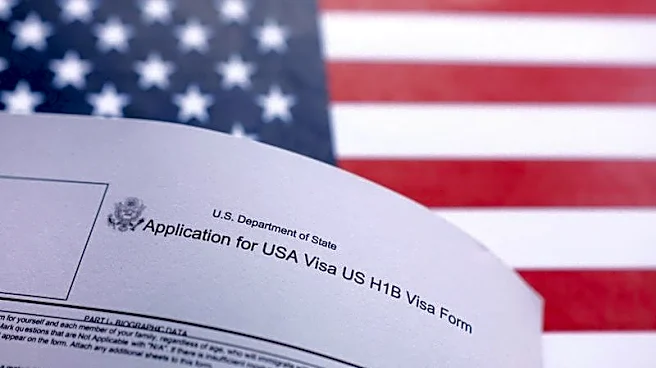
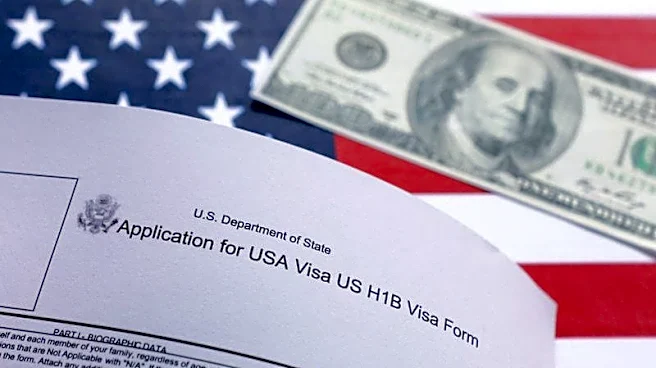
The Department of Homeland Security decided in mid-2025 to yank the Temporary Protected Status classification for Syrians and Haitians that had allowed them safe harbor in the United States. Two months ago, the U.S. Supreme Court ruled on the issue and voted 6-3 to let the government send people back to a lot of the same circumstances that drove them away.
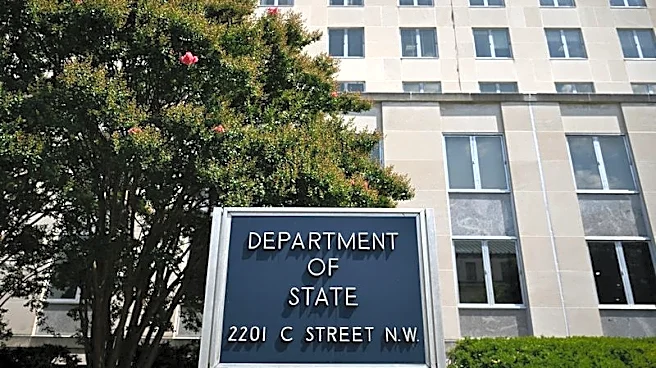
The government's rationale is that things have normalized in both countries, a curious position to take when the Department of State has issued the sternest possible warnings about visiting them.
"Do not travel to Syria for any reasons," one advisory says, "due to terrorism, civil unrest, kidnapping, hostage taking, and armed conflict."
Avoid Haiti, says the other, "due to crime, terrorism, kidnapping, unrest, and limited health care."
The first planeload of newly expelled Haitians had to land up north in Cap-Haitien on Aug. 20 because gangs control at least 80% of the capital, Port-au-Prince, 85 miles away.

Greetings from Hamtramck
The father in the Syrian family had been a cab driver in Daraa, a city so ancient it's mentioned under an earlier name in the Old Testament.
He quickly found work here in a warehouse, where he asked co-workers to speak to him in English because that was the language of his future. Ultimately, he saved enough money to buy a car and revert to his past: He started driving for Uber.
From 2020-24, Morin said, during President Joe Biden's administration, Samaritas dealt at least tangentially with 17,000 immigrants − lots of Ukrainians and Afghans, some Iraqis, some Africans. Within 240 days of arrival, 86% of them were self-sufficient.
Then a new administration arrived, with new priorities. The modest flow of refugees became a trickle. Employers continued to welcome them, he said, in small manufacturing and maintenance, as health aides, and in positions American citizens rarely take anymore, like hotel housekeeping.
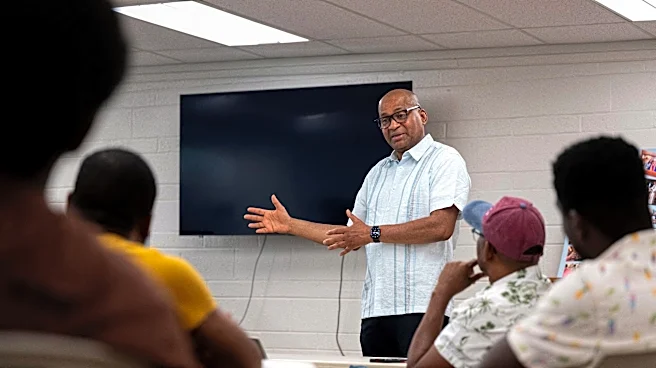
All of this sounded familiar to historian Greg Kowalski, who recently had a street named for him in Hamtramck.
A lifelong resident, and the longtime executive director of the Hamtramck Historical Museum, he remembers when the Polish grandmas in headscarves who spent decades in Hamtramck without learning English were considered adorable, and the Polish lettering in shop windows was quaint.
Then it became America's first Muslim-majority city, with a different array of headscarves − and Kowalski, 75, still feels at home.
His forebears assimilated, and so will his new neighbors, if they haven't already.
"It takes a couple of generations to do it," he said, sometimes with adults and inevitably from the bottom up. "The kids change things. You see it in the schools. Everyone mixes together."
Before health issues reined him in, he said, he'd walk 5 miles a day in his 2-square-mile hometown. He'd pass people, day after day, speaking Arabic. Inevitably, over time, the same people would greet him in English:
Hello, neighbor.
Neal Rubin's grandparents came through Ellis Island back when all you had to do was show up. Reach him at NARubin@freepress.com.
This article originally appeared on Detroit Free Press: What the Trump administration gets wrong about refugees and assimilation