



In public health, we spend years preparing for a crisis we hope never comes to pass. It’s a strange thing to work in a field where the clearest signs of success are often ordinary moments, like a child walking into school healthy, energized, and ready to learn. If we’ve done our job right, that child never knows we had anything to do with that moment. Those ordinary moments are among public health’s greatest victories: keeping one child out of an iron lung from polio, another from suffering through whooping cough, and an entire classroom free from a measles outbreak.
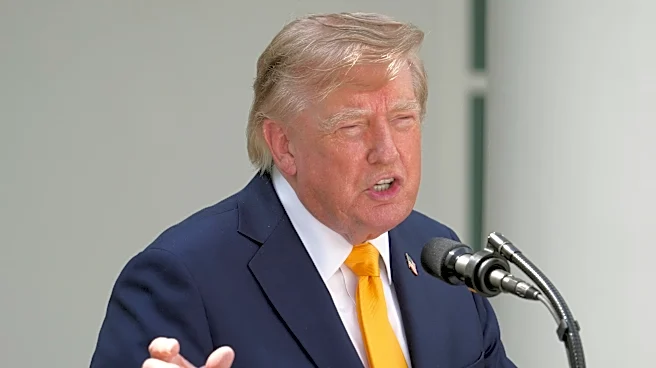
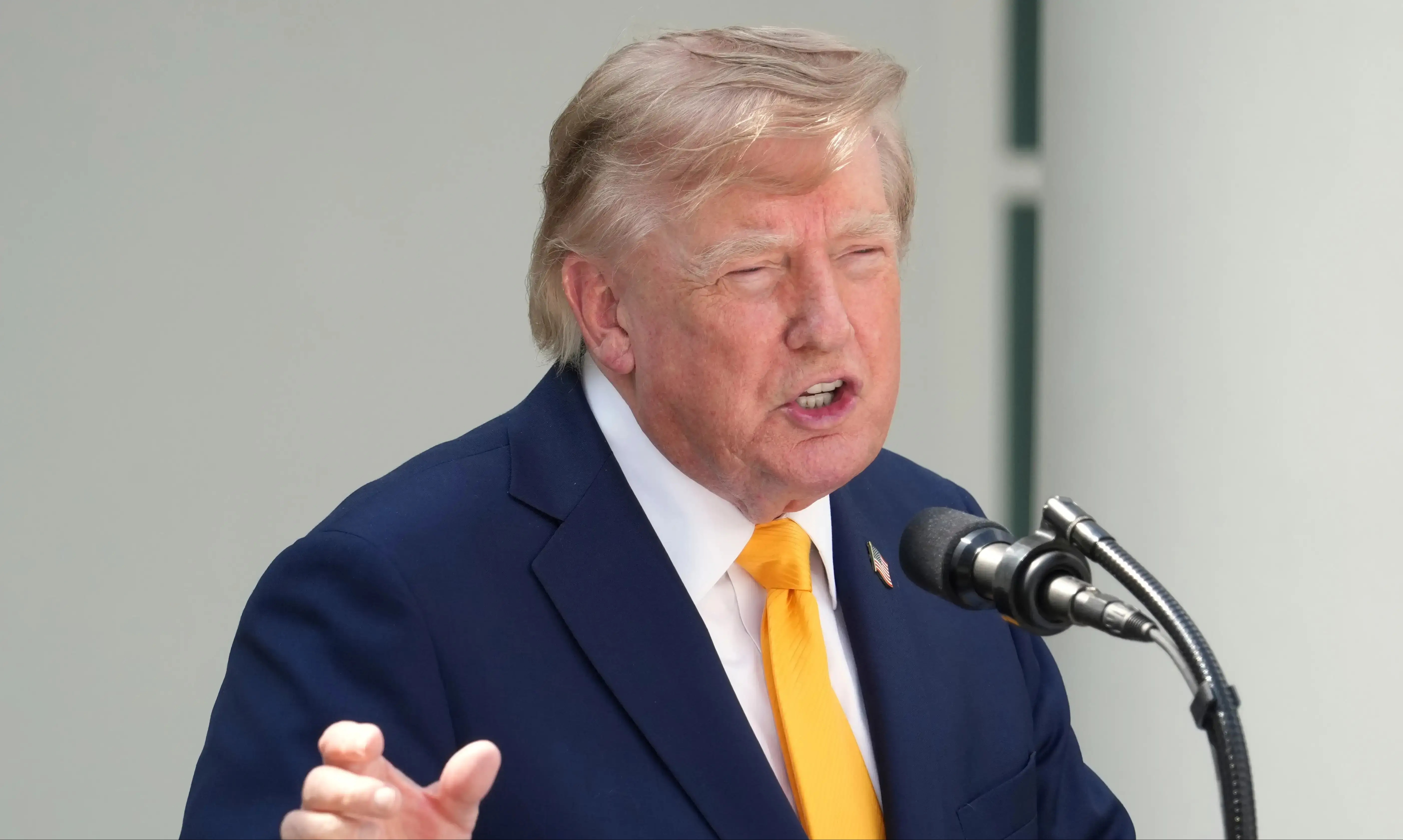
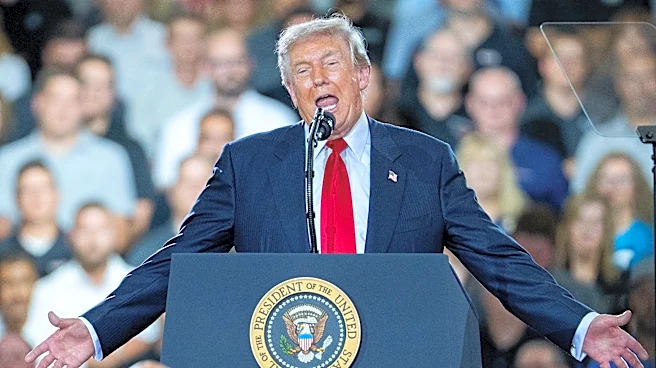
That is the context for America's reconsideration of childhood vaccine guidance. On Aug. 10, President Trump signed an executive order that recommends vaccinating children against
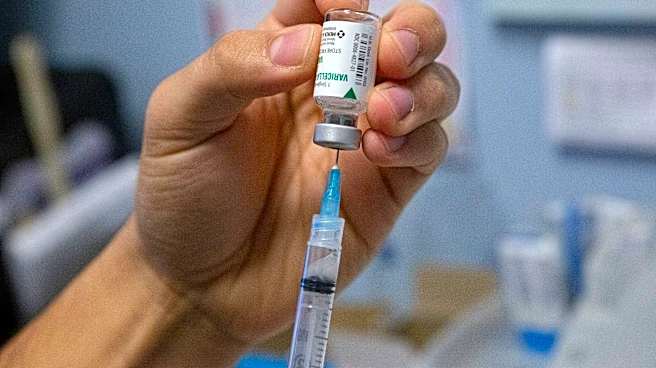
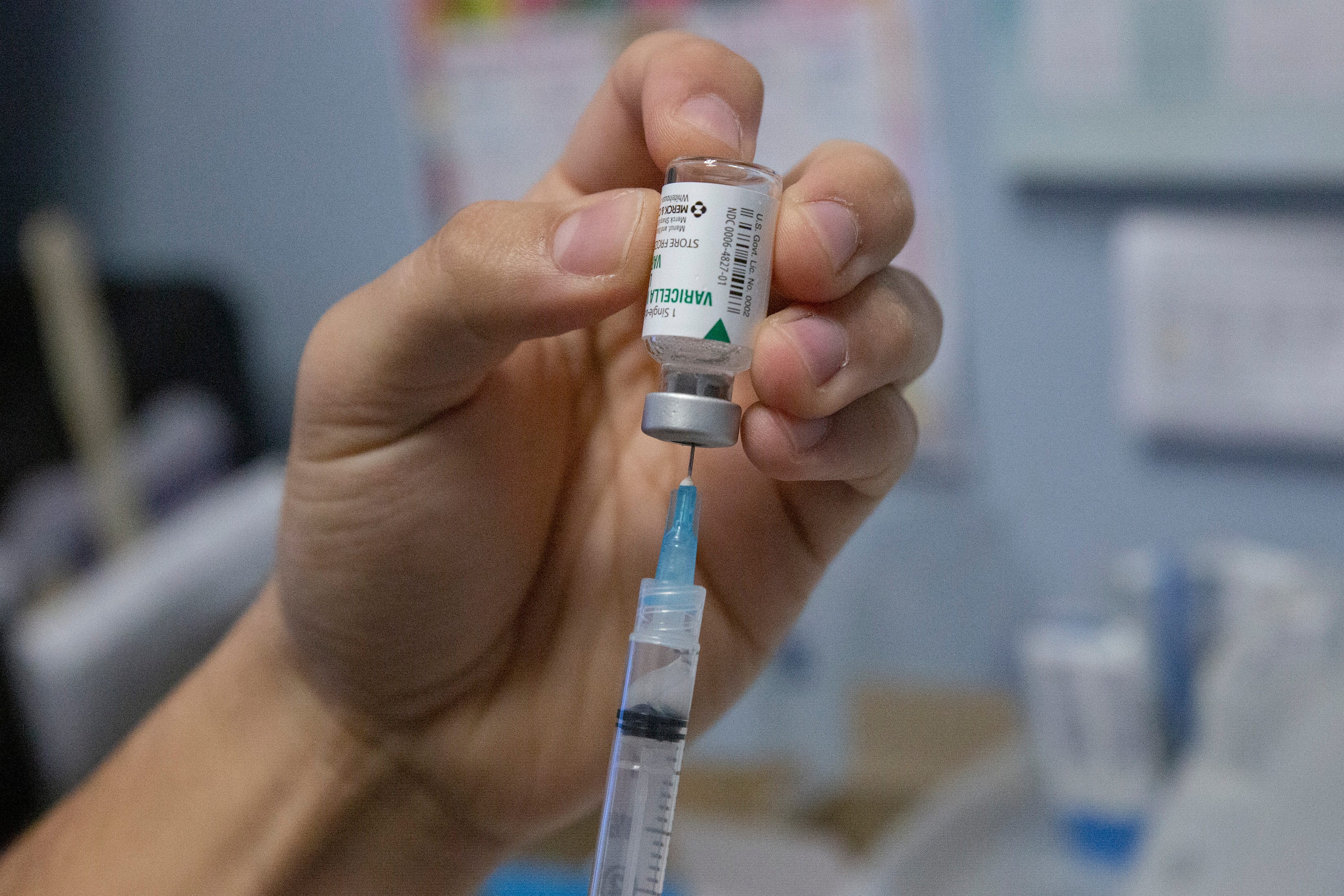
11 diseases rather than the currently recommended 17. It calls for replacing the combined measles, mumps and rubella (MMR) shot with three separate single-disease shots once and if those products become available, and recommends administering childhood immunizations at separate visits whenever feasible.
On Aug. 17, Michigan responded that its recommendations, school requirement and exemption process remain unchanged, citing no new evidence for a change, and urged families to continue following the American Academy of Pediatrics schedule.
For families, these competing signals arrive in a crowded information environment. Parents are trying to protect the people they love while sorting through clinical guidance, viral claims and shifting messages from institutions whose authority no longer settles the question. That last part is the one my field needs to sit with. Public health got too comfortable speaking from a distance. For decades, we relied on authority to do the persuading. We issued vaccine schedules and general guidance from conference rooms and journals and expected them to be followed, and mostly were.
But somewhere along the way, we mistook expertise for a relationship. We stopped standing in the clinic lobby, the church basement, the parent-teacher night, and we lost track of what it is like to receive our guidance rather than write it. We rarely had to show our work, so we got out of the habit. We expected authority to settle the question even as we stopped doing the work required to earn it.

The case for the administration’s new vaccine framework leans heavily on countries such as Denmark. Those comparisons are worth making, but only in full. Denmark pairs its schedule with universal health care, national vaccination records, and reminders when children fall behind. The United States, by contrast, relies on a patchwork. Access varies, records don’t always follow the child, and when a family falls behind, there is no guarantee the system will bring them back into care. The executive order reaches for Denmark’s schedule without accounting for the system that keeps children from falling behind.
The call to separate MMR and spread childhood vaccines across more visits is particularly concerning. In the U.S., more clinic visits mean more time away from work, more transportation and childcare to arrange, and more chances for a child to fall behind. Splitting the combined MMR vaccine adds injections without adding protection. Each added step is a place where a family can fall behind, and the diseases on the other side of any misstep have not gone anywhere. As of Aug. 20, the United States had already recorded 2,777 measles cases this year, the highest annual count in 35 years.
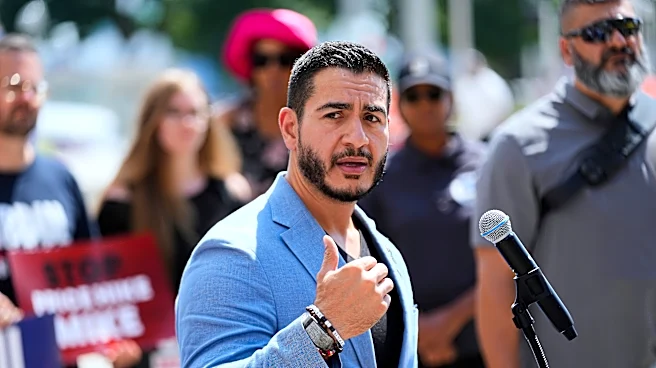
As Detroit’s chief public health officer, I see it as my responsibility to translate complex and shifting public health guidance into clear local action that protects Detroiters. The way we communicate is part of the protection itself. A federal announcement becomes calls from parents, questions from schools and faith leaders, new guidance for nurses and, when prevention fails, outbreak response.
Detroit has good reason to scrutinize institutions. Residents here have seen systems arrive late, disappear early, and ask for patience while consequences accumulated. Nobody here owes us their trust. It is our job to build and protect it.
At the Detroit Health Department, we intend to show up and show our work. When we make a recommendation, we will explain our reasoning in language people can examine, including where the evidence is strong, where it is still unsettled, and what would change our minds. We will take fear and hesitation seriously. A parent can be genuinely afraid of something that is not true, and that parent still deserves time, respect, and a direct answer rather than a lecture. We will stay present after the headline fades, because trust is built in the weeks when nobody is watching.
The child walking into school healthy should inherit the safety that vaccines built. She should never have to learn, through illness or loss, why the institutions meant to protect her have retreated into the complacency of expertise, who guide from high and distant places rather than showing up in her community. And she should grow up in a country where the people responsible for protecting her are willing to earn her trust by explaining themselves.
The distance vaccines built belongs between our children and disease, not between public health and the people we serve.
Ali Abazeed is the chief public health officer and director of the Detroit Health Department. He previously founded the Dearborn Department of Public Health and served as a public health adviser at the National Institutes of Health.
Submit a letter to the editor at freep.com/letters, and we may publish it online or in print.
This article originally appeared on Detroit Free Press: As vaccine guidance shifts, public health must earn trust | Opinion