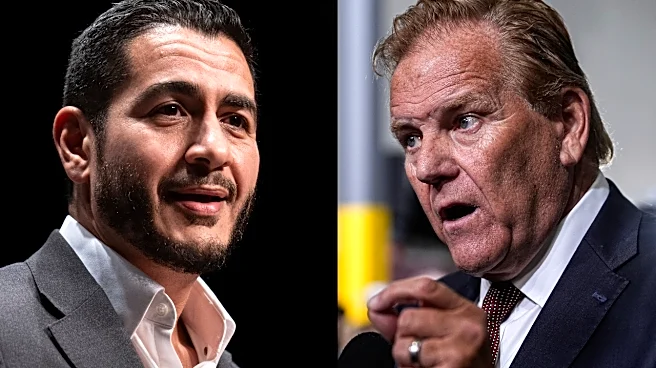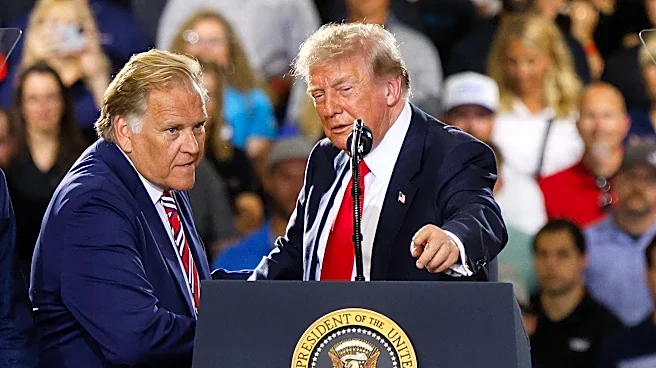






The candidates running to be Michigan's next governor have weaponized donations from utility leaders and PACS to undercut their rival's commitment to holding those companies accountable as they campaign on lower energy costs.
The attacks fly as energy affordability has emerged as a key issue in November, including the gubernatorial race between Secretary of State Jocelyn Benson, the Democratic nominee, and her GOP rival, U.S. Rep. John James of Shelby Township.
Rate hikes, power outages and now data centers coming online that threaten to strain the electric grid have all bubbled over ahead of the midterm. Voters will also weigh in on the political influence utility companies wield as they decide the fate of a ballot proposal called Michiganders
for Money Out of Politics (MMOP) that would ban utility top officials and PACs from making campaign contributions to candidates seeking state offices.
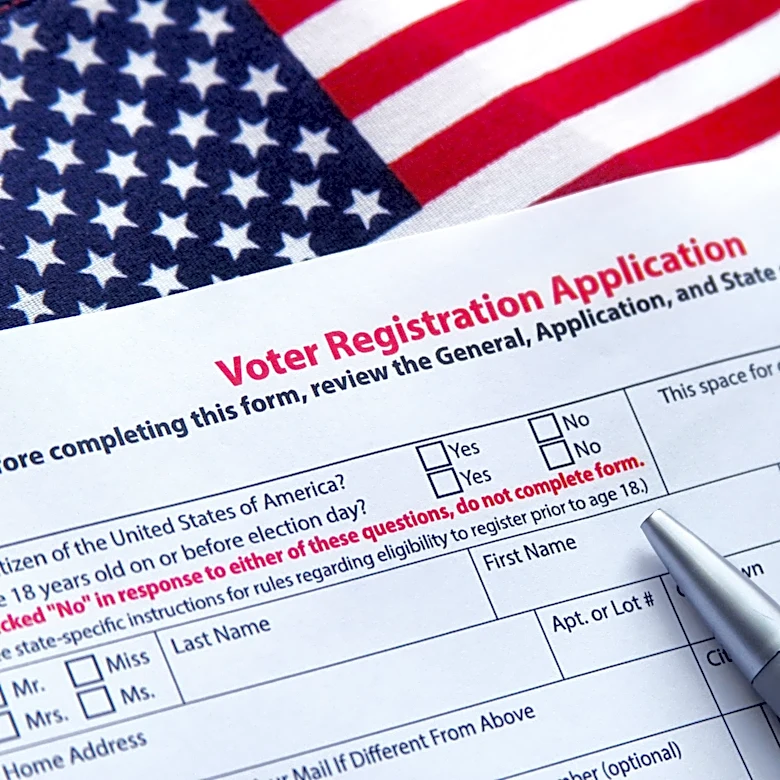
Benson has already vowed on her campaign website to reject campaign funds from "energy companies and other corporate PACs" – a change from her previous bids for secretary of state. Her campaign, in a Sept. 4 post on X, called her the lone candidate for governor "not taking utility money," though by that point she received $3,000 from DTE Energy's Executive Chairman Jerry Norcia and Andy Coulouris, vice president of corporate and government affairs, who gave $2,500.
"While executives are not corporate PACs, I don't believe folks should take money from corporate executives," said state Rep. Dylan Wegela, D-Garden City, who has endorsed Benson. Wegela, however, celebrated Benson as the only candidate supporting the MMOP proposal. "Systematically changing our campaign finance system is the only way to ensure that utility companies like DTE are not influencing the process," he said.
James has accused Benson of breaking her campaign finance pledge to reject utility money, calling her a "LIAR" in a Sept. 9 Facebook post. In his current run for governor, James' campaign committee has received $2,500 from Consumers Energy CEO Garrick Rochow and $3,000 from several officers of CMS Energy, Consumers Energy's parent company.
Spokespeople for DTE Energy and CMS Energy declined to comment on the political contributions of its top leaders to the gubernatorial campaigns, saying they were made in a personal capacity.
Benson, James on MMOP proposal
DTE Energy and Consumers Energy are the largest electricity and natural gas providers in Michigan. For years, PACs tied to the companies have given to Democrats and Republicans. MMOP would cut off that campaign cash.
"MMOP is fighting to rein in the pay-to-play culture in Lansing, where powerful utilities wield outsized influence over the decisions that impact everyday Michiganders," said Sean McBrearty, co-chair of the Michiganders for Money Out of Politics executive committee, in a statement. Asked whether candidates supporting the proposal should decline the contributions it would ban, McBrearty said, "We're not asking individual candidates to voluntarily operate under a different set of rules before voters have had the chance to change the law."
Benson supports the MMOP proposal, according to her campaign press secretary Rajan Srinivasan. James' campaign Press Secretary Alyvia Bailey did not comment on whether James will vote "yes" on the proposal, but questioned Benson's commitment to utility accountability. "How can we trust Jocelyn Benson to lower our rates when she lied about taking DTE money in the first place?" she asked in a statement.
Benson and James have history of taking utility PAC money
Benson, in a statement, distinguished herself as the only candidate in the race refusing corporate PAC money, saying "my opponent has taken nearly $50,000 from DTE and Consumer(s) Energy PACs and refuses to hold them accountable." A Free Press review of publicly-available federal election commission records found that sum covers utility PAC money that has flowed into James' federal accounts, along with donations from rank and file employees, including funds for previous campaigns.
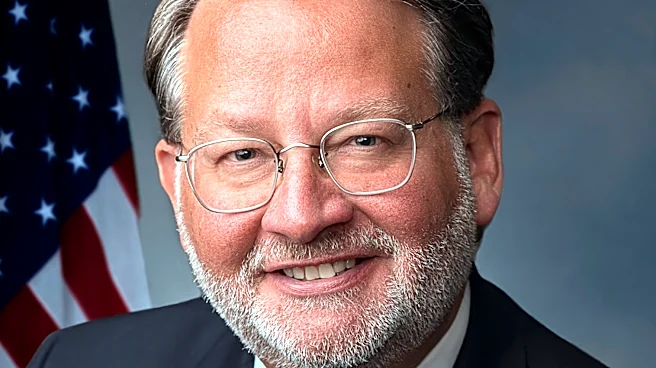
James' congressional committee and PACs tied to him have received a total of $38,500 from DTE and CMS Energy's Employee PACs, including $5,000 each from those PACs after he launched his bid for governor. (The utility PACs also gave $65,000 to PACs tied to James' 2020 opponent, U.S. Sen. Gary Peters, D-Bloomfield Township, ahead of his reelection that year.)
Mission Michigan – the pro-James PAC supporting his run for governor – called out Benson in a recent news release for taking utility PAC money in the past, too. The fund for her secretary of state runs received $3,000 from DTE Energy's PAC and $7,000 from PACs tied to Consumers Energy (her 2018 GOP opponent Mary Treder Lang received a $250 contribution from DTE's PAC).
Michigan's next governor promises to tackle energy costs
In their campaigns for governor, both Benson and James have vowed lower costs and better service.
Benson's plan promises to stop "profit-driven rate hikes" and ensure "utilities only earn maximum returns when they are delivering reliable, affordable service to Michiganders." She also seeks to launch a statewide home energy efficiency program.
"I don't work for DTE or Consumers, I work for the people of Michigan," said Benson, in a statement, responding to Free Press questions about the contributions from DTE Energy leaders.
James wants to repeal the state's clean energy law, saying it will lower costs while environmental advocates predict the opposite. He recently unveiled more pillars of his energy affordability plan, including a vow to replace state energy regulators who regularly approve rate increases and raising the limit on the share of an electric utility's sales that can come from alternative suppliers.
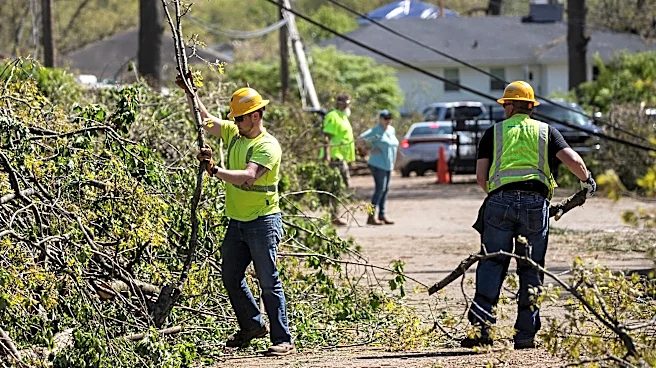
Both Benson and James say they want to see bill credits increase for power outages. It now stands at $42 a day for certain prolonged outages. They have also both called for a moratorium on data centers, saying they want to ensure that ratepayers don't see electric bills increase due to the energy demands of the facilities.
Ryan Lowry, a spokesperson for DTE Energy, said, in a statement, that the utility provider has made service improvements in recent years. "We remain committed to delivering clear value to our customers – through improved reliability, cleaner energy, and helping our most vulnerable customers – all while doing everything we can to keep bills as low as possible," he said.
CMS Energy and Consumers Energy Director of Media Relations Katie Carey said, in a statement: "Consumers Energy works with elected officials and candidates from both political parties to advance policies that support safe, reliable, and affordable energy for Michigan customers."
Contact Clara Hendrickson at chendrickson@freepress.com or 313-296-5743.
This article originally appeared on Detroit Free Press: Campaign cash from utility leaders prompts fight in governor's race