





After staying out of Michigan's Democratic primary for governor, Gov. Gretchen Whitmer announced her support for Secretary of State Jocelyn Benson when the governor's support for the Democratic nominee was all but a foregone conclusion − and the recent election showed mixed results on the power of a Whitmer endorsement.
"Take it from me, Jocelyn Benson will be a governor who gets things done. She's a tough, principled leader who doesn't get intimidated by anyone. She'll stay focused on the basics, from lowering the cost of health care and housing to making investments in literacy, teacher recruitment and child care," said Whitmer in a statement Aug. 5 shared in a news release from Benson's campaign. Whitmer cast Benson as a bulwark against Republicans'
agenda in Washington, DC, which the governor described as responsible for an affordability crisis.
Benson celebrated the governor's support. "The Governor has spent the last eight years fighting for Michiganders through some of our state's toughest moments, always putting people first and never backing down from protecting their rights and freedoms," Benson said in a statement.
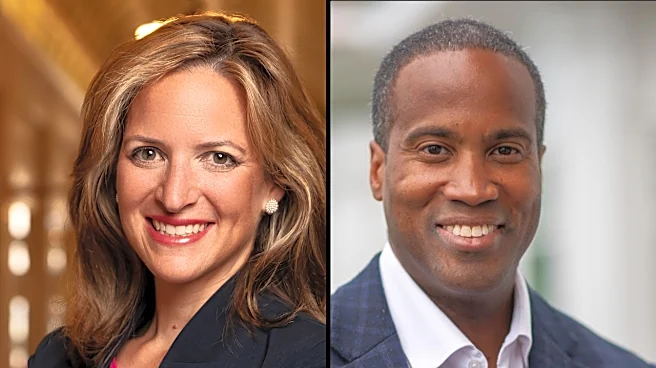
Whitmer cannot run again due to term limits and the race to replace her is a competitive, nationally watched contest. Benson is set to face U.S. Rep. John James, R-Shelby Township, who has the endorsement of President Donald Trump. James has railed against Whitmer's eight years in office and cast the Democratic ticket as extreme. "We offer common sense. They offer crazy," James said of Democrats during an election night victory speech.
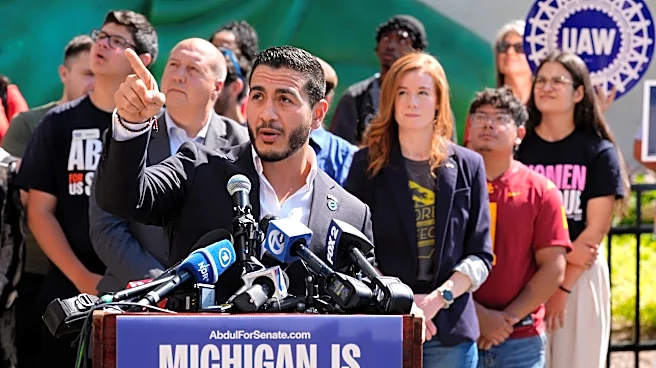
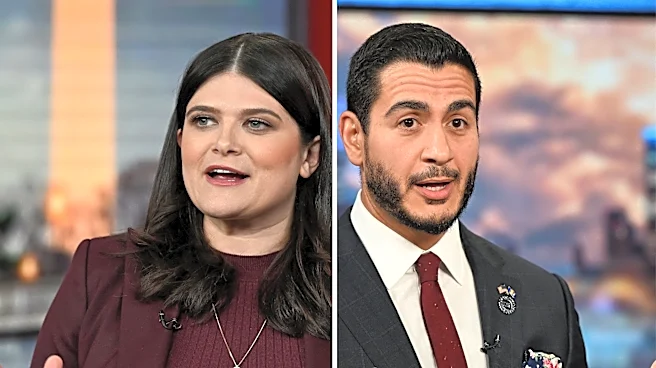
While some Democrats who notched the governor's support ahead of the Tuesday, Aug. 4 primary won their races, others did not make it across the finish line. Most notably, moderate U.S. Rep. Haley Stevens, D-Birmingham, who had Whitmer's endorsement, lost the Democratic primary for a U.S. Senate seat to former public health official Abdul El-Sayed, who ran against Whitmer for governor in 2018.
The primary campaign revealed key fissures between moderates and progressives, with Whitmer in many cases backing the opponents of candidates running with support from U.S. Sen. Bernie Sanders, I-Vermont, and Democratic Socialists. Progressives secured key victories in Michigan, raising questions about how Benson might seize on that momentum.
Benson's embrace of Whitmer's support comes after she appeared to criticize the governor for vetoing nine bills stuck in legal limbo that included policy priorities for labor unions. "Teachers, nurses, corrections officers, and so many others spent years fighting for relief, only to have leaders they trusted pull the rug out from underneath them," Benson said in a July statement following the governor's rejection of the policies that did not call out Whitmer by name. Benson has vowed to sign the bills into law if elected in November.
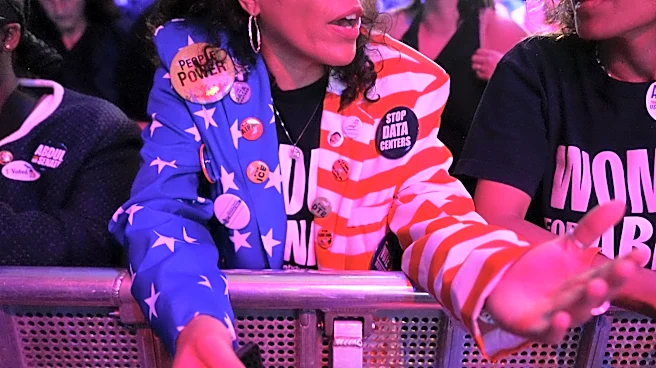
On a key issue in the governor's race – data centers – Whitmer has also stirred controversy. She has angered some with her support of the controversial hyperscale data center coming to Saline Township for OpenAI, the company behind ChatGPT. The energy- and water-intensive facilities have drawn the ire of environmentalists and prompted concerns that utility bills could go up despite protections in Michigan law.
The complexes that warehouse computer servers to power the artificial intelligence boom have emerged as a flashpoint in the governor's race. Benson's data center proposal includes ensuring public hearings on data center proposals and union contracts to secure "well-paying jobs."
For decades, Michigan voters have routinely replaced the outgoing governor with a leader from the opposite party, but midterm elections often entail losses for the president's party. This November provides a test to which trend will hold.
Contact Clara Hendrickson at chendrickson@freepress.com or 313-296-5743.
This article originally appeared on Detroit Free Press: Whitmer backs Benson after primary saw mixed results for gov's picks