
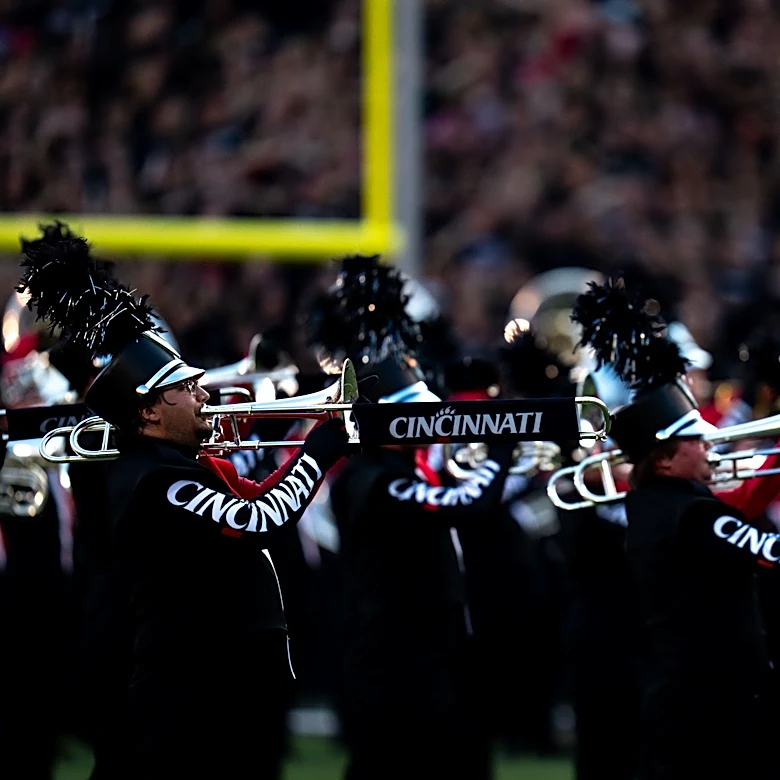
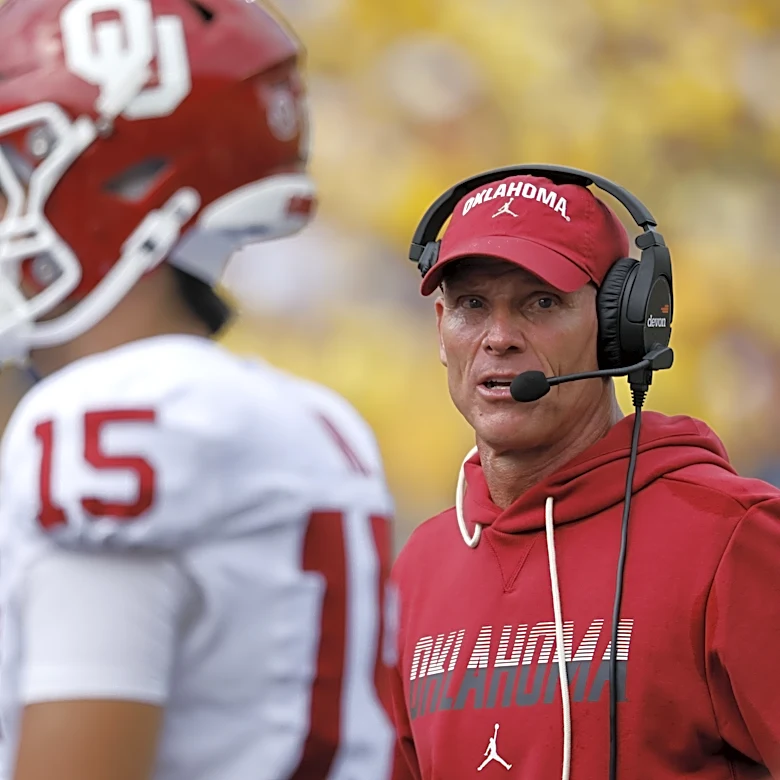
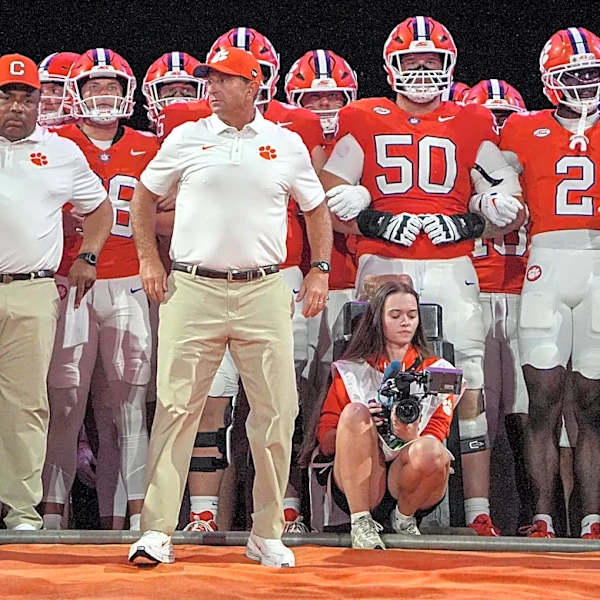


A vote tally in the U.S. Senate could soon become one of the most closely watched scoreboards in college sports.
Senators could vote as early as this week on the Protect College Sports Act, which would impose national regulations related to name, image and likeness deals, player transfers and even coaching transitions. The bill’s supporters, including the Big 10 Conference and the Southeastern Conference, say it's a needed fix for the broken landscape of college sports.
Player advocates say it solves some problems, but it leaves unaddressed other pressing concerns like who polices claims of abuse. They urge a pause until those concerns are addressed.
Here are five things college sports fans should know about it:
What is the Protect College Sports Act?
The Protect College Sports Act is
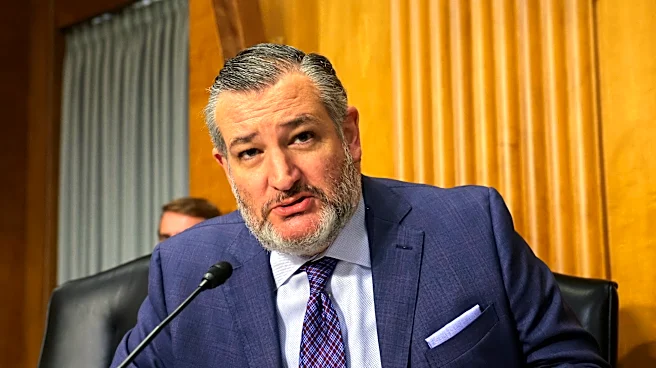
a 171-page bipartisan bill in Congress that would create a nationwide system of regulating college sports, eliminating practices that can vary by school, by conference, and by court cases that affect them. It's sponsored by Sen. Ted Cruz, R-Texas, and Sen. Maria Cantwell, D-Washington.
What does it do?
The language of the bill could still change before a vote, among the things the current version does are:
- Guarantees the right of athletes to contract for their name, image and likeness (NIL).
- Requires athletes to report NIL deals worth more than $600 to their school.
- Caps how much schools can spend on players and prohibits side deals that could circumvent that limit.
- Requires sports agents who negotiate such deals to register in a national database and limits their compensation to 5% of the value of the deal.
- Creates a five-year career limit that begins when an athlete enrolls or turns 19.
- Allows athletes to change schools once without losing any eligibility.
- Requires schools to provide health insurance to athletes with no copays or deductibles.
- Prohibits football coaches from switching schools during the season.
What doesn't it do?
The current version of the bill does not:
- Create an independent third-party to investigate claims of abuse, like those lodged against former Michigan State University doctor Larry Nassar.
- Create a right to collective bargaining for athletes.
- Waive 11th Amendment sovereign immunity, which can shield states and their schools from athletes' lawsuits claiming abuse or other wrongs.
What are people saying about it
Backers of the bill say it's needed to level the playing field so wealthier schools can't dominate with their bigger budgets.
"The Protect College Sports Act is our last, best chance to preserve one of America’s great unifying traditions for the athletes who compete and the fans who fill the stands," Cruz said in a statement obtained by USA TODAY Sports. "This landmark bipartisan legislation will halt the chaos that is unfolding across the nation and restore order to the ongoing arms race, while preserving opportunities for hundreds of thousands of student athletes."
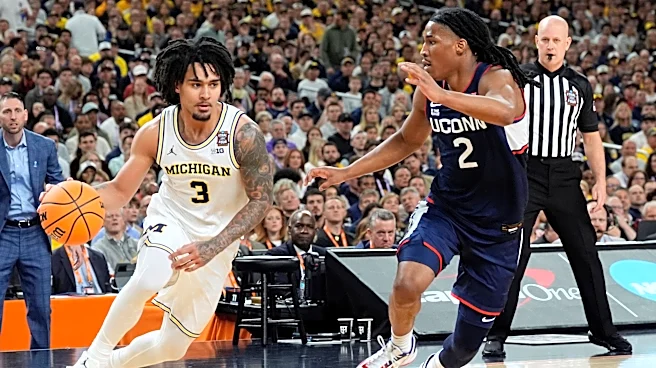
In June, after University of Michigan men's basketball coach Dusty May left for the NBA, school President Domenico Grasso voiced support for some of the reforms in the bill, but added that it contains some "deeply troubling provisions."
"Our current system is in dire need of clarity and equitable reform," Grasso told the school's Board of Regents. "Coach May told me that among his reasons for leaving were uncertainties and pressures involving the transfer portal and NIL support for student-athletes."
Some advocates say the bill should do more to protect athletes.
Ramogi Huma is a former UCLA football player who now runs the National College Players Association, a nonprofit that advocates for student athletes' rights. He said that if the act is passed, athletes who claim abuse would still have to report such abuse to the schools themselves.
"Basically what's happening right now is what's called self-policing, the schools self-police violations," Huma said. "At Michigan State, all kinds of reports were made internally and you see what self-policing leads to, right? Michigan State failed to properly address anything because schools self-police."
Huma says the U.S. Center for SafeSport was created to protect Olympic and Paralympic athletes and provides a model that would work in college.
Huma also worries that state schools facing claims for things like sexual abuse or workout-related deaths could invoke sovereign immunity protections of the 11th Amendment to prevent athletes from suing them. Title IX, the federal law that prohibits sex discrimination at schools receiving federal funding, includes specific language allowing lawsuits against state schools that violate that act. This bill should include the same language, Huma said.
"It's a one-sentence fix," he said.
The AFL-CIO also opposes the bill.
“Normally, when employers collude to limit the rights and compensation of employees, our antitrust laws step in to protect the freedom of the marketplace, breaking up the powerful trust and allowing individuals to exercise some bargaining power,” the AFL-CIO and its Sports Council wrote in a statement on their website. “College athletes partook of our antitrust laws to challenge the many decades of collusion that exploited their labor, and they have been winning.”
What happens next?
The bill is still pending in the U.S. Senate and senators must first vote to end debate on it before an up or down vote on the bill can happen. Sixty yes votes are needed to end debate.
Senate Majority Leader John Thune, R-South Dakota, has said that the bill would be a priority in mid-September, though no date has been scheduled for a vote.
Michigan's U.S. Sen. Gary Peters, D-Bloomfield Twp., serves on the Committee on Commerce, Science and Technology, which is handling the bill. He wasn't available to discuss specifics of the bill but his office said he's monitoring the negotiations on it and he's encouraged by the effort to create a more sustainable model for college sports and its athletes.
Michigan's other U.S. senator, Elissa Slotkin, D-Holly, was traveling and unavailable for comment, according to her office.
If the Senate does approve the bill, it would still need approval from the House and from President Donald Trump, who has urged senators to pass it.
Contact John Wisely: jwisely@freepress.com. On X: @jwisely
This article originally appeared on Detroit Free Press: Protect College Sports Act heads to Senate vote with NIL, transfer changes