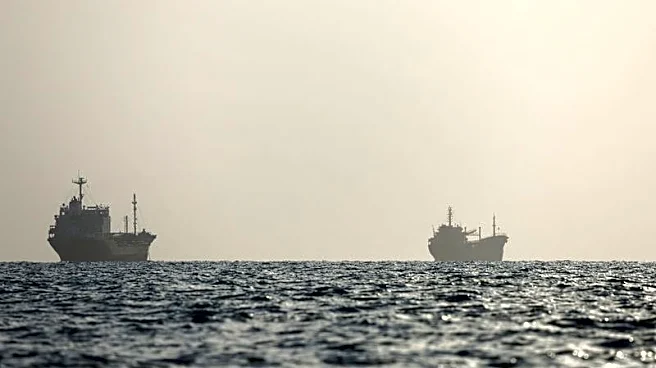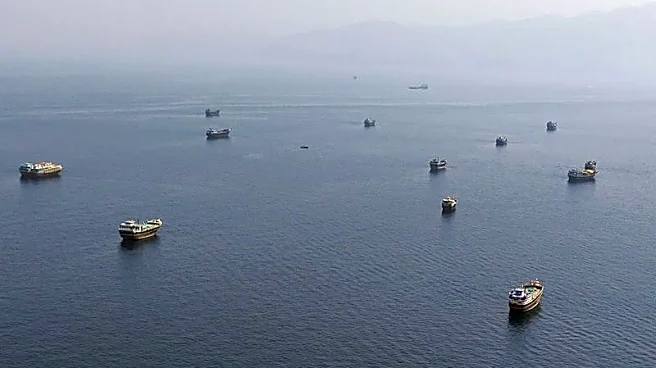






Oil prices surged ahead of Labor Day as the United States and Iran resumed trading fire — and saber rattling, according to news reports. It was unclear how much the latest Middle East strikes would affect average gas prices, which, in Michigan, were the same as a week ago, $4.15 a gallon.
AAA, which tracks gasoline prices, warned early Monday, Aug. 31, that drivers will "pay more at the pump this holiday than they did last year," and urged travelers to "budget accordingly and make sure their vehicles are road-trip ready before hitting the road."
Motorists are paying an average of $62 for a full 15-gallon tank of gasoline, but that is in flux.
Across Michigan, the most expensive gas price averages on Sunday by community were in Jackson, $4.26 a gallon;
Ann Arbor, $4.22; and Lansing, $4.20. The least expensive averages were in Marquette, $3.99; Traverse City, $4.04; and Flint, $4.07.
The United States has failed to reach a diplomatic end to the conflict and has threatened more economic sanctions.
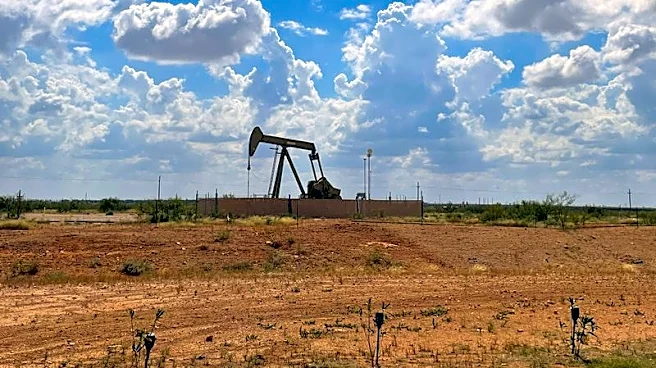
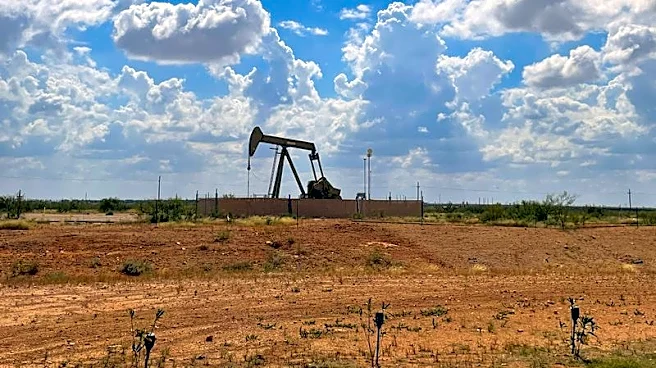
Oil prices rose more than 3% with renewed fighting, and Brent crude pushed past $90 a barrel, up nearly $3, and West Texas Intermediate crude at more than $86 a barrel, also up nearly $3. An increase in oil prices could mean higher gasoline prices at the pump.
Trump announces Venezuelan deal
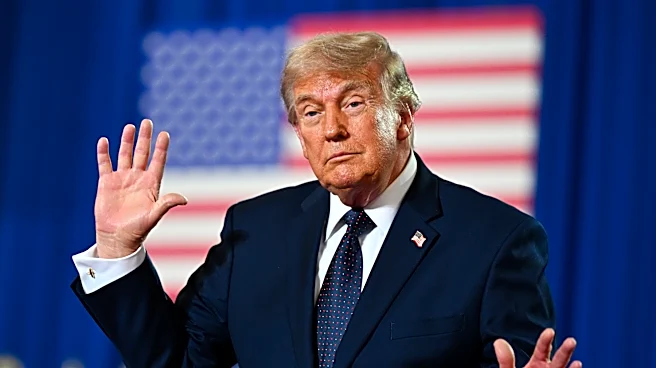
Two days before international and domestic crude oil prices went up, President Donald Trump announced on Truth Social what he called the "biggest oil deal in world history," with the Venezuelan government to develop that nation’s oil reserves.
The president offered few details about the agreement, saying mostly just that the United States had secured majority control of more than 65 billion barrels of oil reserves through the partnership and claiming it would "substantially lower gas prices for all Americans, long into the future."
Trump also claimed on Sunday the United States would use the oil to refill the Strategic Petroleum Reserve, which had been drained. It was unclear, however, how quickly gas prices would fall or the reserve would be refilled — or even if such a deal would occur.
Several reports also cast doubt on whether the supposed joint venture with a private Venezuelan company could happen because the United States has no government-owned oil company and some Venezuelans questioned the fairness of the deal.
"In reality," Patrick De Haan, head of petroleum analysis at GasBuddy, said, "any benefits from increased Venezuelan output will take years to fully materialize and are unlikely to move the needle in the near term." The biggest influences on prices would be "developments between the U.S. and Iran" and "Ukrainian attacks on Russian oil refineries."
United States, Iran trade fire
Also on Sunday, President Donald Trump announced in another social media post that Iran’s energy hub, Kharg Island, was "being blown to smithereens!!!" It was accompanied by a video that Reuters news service reported was "most likely synthetically generated" using AI.
Iran — Reuters said — had responded to an earlier U.S. attack on rocket launchers on its island of Larak, about 410 miles east of Kharg, with an attack on two U.S. military bases in Jordan, Iranian media said. Two people were reportedly killed on Larak Island, according to Iran’s IRNA news agency.
Reuters, however, reported there "was no evidence" of a U.S. attack on Kharg, and a U.S. official said the military had not targeted the island in overnight strikes. An Iranian official, the news service also said, dismissed Trump's post as "laughable."
AAA has noted that "August is shaping up to be the highest on record," even more than in 2022, the year gas prices spiked to their highest one-day amount ever, and GasBuddy said prices were at their "highest level ever recorded this late in the calendar year."
Contact Frank Witsil: 313-222-5022 or fwitsil@freepress.com
This article originally appeared on Detroit Free Press: Ahead of Labor Day, Middle East fighting resumes and oil prices surge