




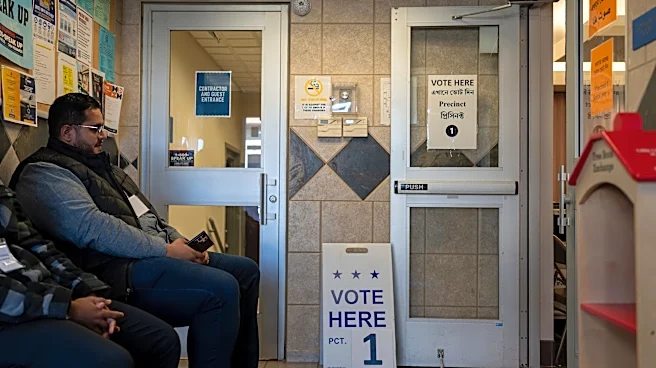

In the Tuesday, Aug 5 primary election, Wayne County residents are being asked to vote on a millage to fund expanded public transit.
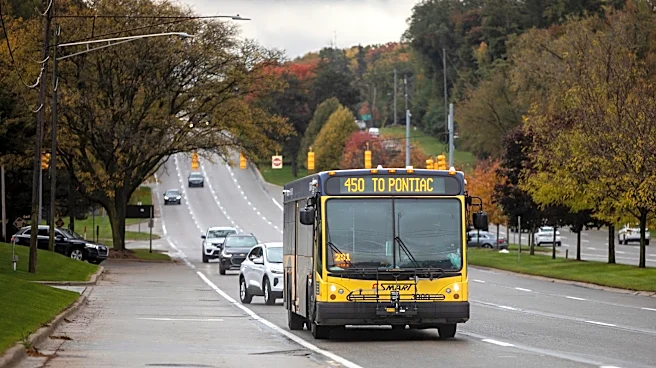
The millage, if it passes, would renew public transportation for communities already in the Suburban Mobility Authority for Regional Transportation (SMART) system and loop in 17 others that do not have the bus service. Residents in those communities would pay a new tax.
Supporters say the proposal would connect the region, allow people to access jobs and help older adults and those with disabilities travel and feel independent. Opponents argue it's an unnessary expense for taxpayers.
"If Wayne County is going to be a part of a region, then
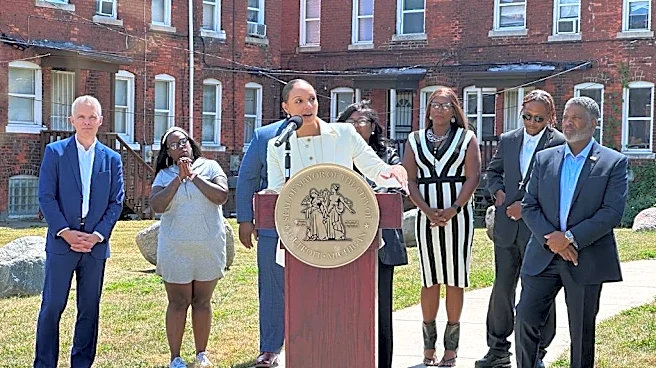
we have to start thinking regionally and we can't really have opt out communities and have our transportation system going up, over and around opt out communities, to get people to where they need to go," said Wayne County Executive Warren Evans at a July news conference at the John D. Dingell Transit Center in Dearborn, organized by the Wayne County Transit for All advocacy campaign.
Here's what to know about the millage:
What is the Wayne County transit millage?
On Aug. 4, all Wayne County residents — not just those currently in the SMART system — will be asked to vote on a ballot proposal that, if approved, would fund a transit tax. Property owners in 17 communities not currently in the SMART system would essentially pay a new millage. The 26 other municipalities already in the SMART system wouldn't see an increase in their millage rate.
The proposal asks voters to authorize the Wayne County Transit Authority to levy a millage to fund public transportation services in Wayne County. That includes operations, maintenance and expanding services for seniors, veterans, people with disabilities and the general public.
The millage would be levied up to a maximum rate of just under 1 mill, or 0.9831 mills, which translates to $0.98 cents per $1,000 of taxable value for 10 years starting with the 2026 tax year and ending in 2035. That amounts to about $8 a month for a home with a taxable value of roughly $100,000. The millage would replace an expiring one.
If approved and levied, the revenue would then be distributed to Wayne County, SMART, DDOT and other community and regional transit providers and is estimated would generate roughly $57 million in the first year.
Out of Wayne County's 43 communities, 17 "opt out" of the SMART system. Detroit is one of those opt-out municipalities but the Detroit Department of Transportation (DDOT) and SMART operate buses in the city. In 2025, Gov. Gretchen Whitmer signed into law a bill that ended the ability of Wayne County communities to opt out of the transit millage funding SMART.
Which communities are not in the SMART system?
- Detroit
- Belleville
- Brownstown Township
- Canton
- Flat Rock
- Gibraltar
- Grosse Ile Township
- Huron Township
- Livonia
- Northville
- Northville Township
- Plymouth
- Plymouth Township
- Rockwood
- Sumpter Township
- Van Buren Township
- Woodhaven
Which communities are in the SMART system?
- Allen Park
- Dearborn
- Dearborn Heights
- Ecorse
- Garden City
- Grosse Pointe
- Grosse Pointe Farms
- Grosse Pointe Park
- Grosse Pointe Shores
- Grosse Pointe Woods
- Hamtramck
- Harper Woods
- Highland Park
- Inkster
- Lincoln Park
- Melvindale
- Redford Township
- River Rouge
- Riverview
- Romulus
- Southgate
- Taylor
- Trenton
- Wayne
- Westland
- Wyandotte
Where would the money go?
The money raised would go toward continuing existing services and adding services in the previous opt-out communities, SMART's General Manager and CEO Tiffany Gunter previously told the Free Press.
If the millage passes, SMART would add eight new routes, five new route extensions and on-demand service over the course of approximately three years, though that depends on being able to get new vehicles to provide additional service, she said.
The money that the millage would generate in Detroit — about $8 million a year of the total — would go to the DDOT system, she said. Smaller transit providers funded through SMART, such as Nankin Transit, which serves seniors, would get additional money as well to shore up services.
How will this affect Detroit?
If the millage passes, residents will have more mobility and improved access to jobs and opportunities across Wayne County, Robert Cramer, DDOT executive director of transit, told the Free Press in May.
"DDOT remains focused on increasing the safety, timeliness and overall quality of our transit system, and would leverage any additional funding toward these shared goals," he said in a statement. "We will use input from residents and stakeholders to guide how we spend any new revenue sent to DDOT from the Wayne County millage."
DDOT, like other city services, gets its funding through the city's general fund, made up of property taxes, casino taxes and income taxes. Detroit does not currently have a separate transit tax, Cramer said. If the millage passes, there'd be more funding for additional services, but it's not a double tax, he said.
What happens if the millage doesn't pass?
Officials said if the millage fails, SMART won't have money to fund bus services in Wayne County, slashing or reducing transit options.
Reach reporter Nushrat Rahman at nrahman@freepress.com.
This article originally appeared on Detroit Free Press: 2026 Wayne County transit millage would end SMART opt outs