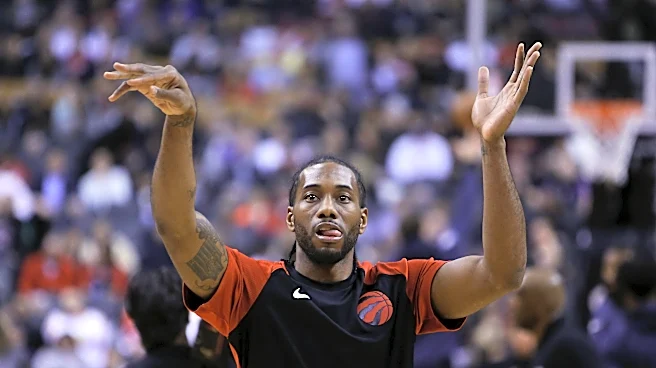




Eastern Conference contenders swung hard this summer. LeBron James and Kawhi Leonard left sunny Los Angeles to join the Philadelphia 76ers and Toronto Raptors, respectively. Giannis Antetokounmpo was traded south to the Miami Heat.
Meanwhile the Detroit Pistons – who finished No. 1 in the East with a 60-22 overall record – went with a quieter approach. Rather than make headline-grabbing tweaks to a young team that outperformed expectations during the regular season, president Trajan Langdon shuffled the deck.
The same core trio – Cade Cunningham, Ausar Thompson and Jalen Duren (who remains unsigned in restricted free agency) are on track to lead the team again next season. But the supporting cast has been altered.
The jury is out on whether or
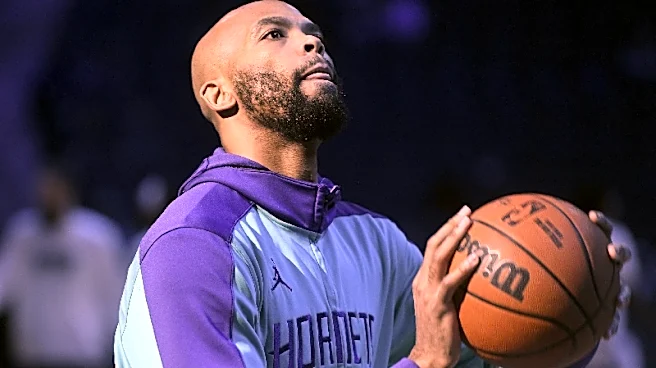
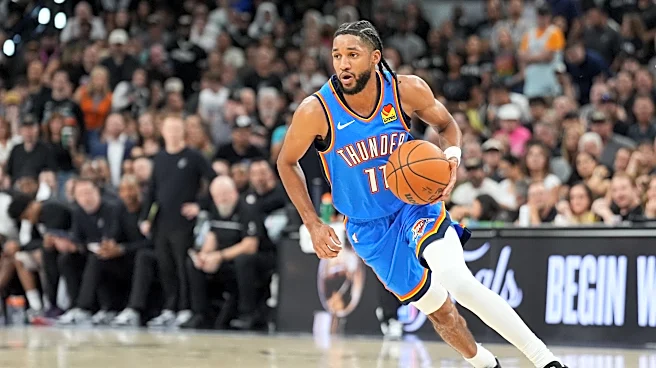
not the Pistons have improved. But they are different, particularly on the offensive end. Out are Isaiah Stewart, Tobias Harris, Caris LeVert and Marcus Sasser. In are four skilled 3-point shooters – John Collins, Isaiah Joe, Taurean Prince and Gary Harris – along with No. 17 overall draft pick Ebuka Okorie.
The roster has been infused with more outside shooting, and an offense that finished top-10 a year ago could be even better – even though the Pistons have yet to add the second superstar many pundits believe they need to make a genuine Finals run.
The 3-pointer will bring diversity to the Pistons’ offense
The Pistons finished with the 10th-best offensive rating (118.3) in 2025-26 , and did so despite being allergic to taking 3-pointers relative to their peers. Out of 30 NBA squads, they were 29th in 3-point frequency with 31.3% of their shots coming from behind-the-arc during the regular season.
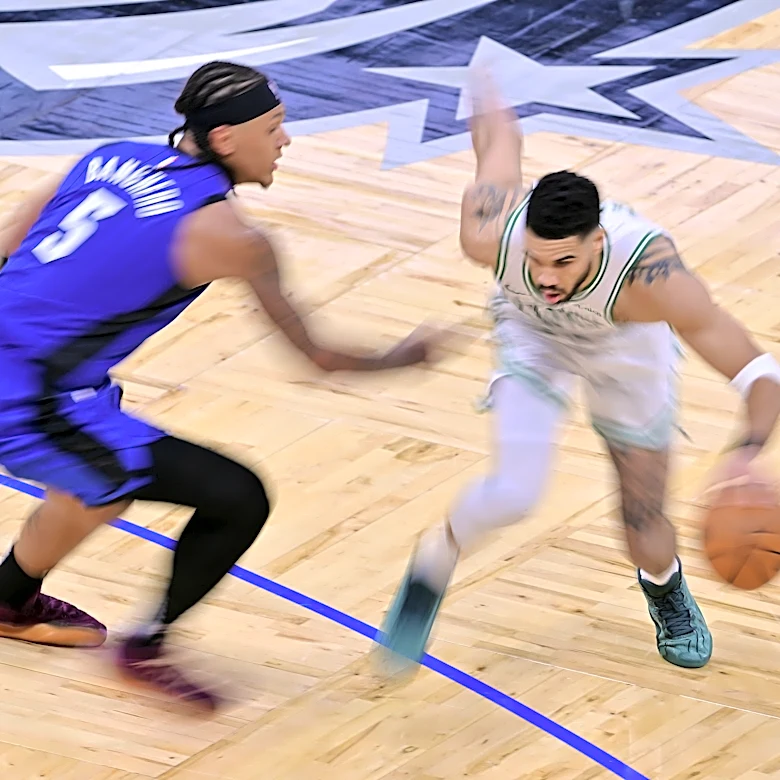
As a point of comparison, the top four offensive teams in the Eastern Conference – in order, the Boston Celtics, Charlotte Hornets, Cleveland Cavaliers and New York Knicks – all finished top-12 in 3-point frequency leaguewide and took at least 40% of their shots there, rounding up for the Knicks who took 39.8% of their shots from 3. The Hornets were second, the Celtics were third and the Cavaliers and Knicks were ninth and 12th, respectively.
Rather than chuck 3-pointers, the Pistons dominated the paint and led the league in transition frequency. Their defense, which ranked second behind the Oklahoma City Thunder and produced more blocks and steals than any other team, fueled their offense and helped them overcome their deficiencies on that end.
But a formula that produced 60 regular season wins fizzled in the playoffs, when pace slows, transition opportunities become more limited and teams with stronger halfcourt offenses tend to prevail. Out of 20 postseason teams, the Pistons slid to 12th (110.8) in offensive rating with the fifth-best defense. They fell just short of making the Eastern Conference Finals, falling to the Cleveland Cavaliers in a Game 7 blowout.
Despite not taking many 3-pointers as a team, the Pistons’ offense performed better with its best shooter, Duncan Robinson, on the floor. According to Cleaning The Glass, they scored 10.2 more points per 100 possessions during the regular season with Robinson – the highest on the team and a 98th percentile mark across the entire league. Cunningham (plus-7.3) and Duren (plus-6.2) were second and third.
A halfcourt offense needs spacing to function. Robinson and Joe are among the most prolific shooters in the league both in volume and accuracy, and Collins, Prince and Harris all shot above 40% last year. For 48 minutes, the Pistons can play at least Robinson-level shooter and avoid the lulls they had to withstand last season.
Among wings who played at least 1,000 minutes, Robinson and Joe were top-five in percentage of shots taken from 3, according to Cleaning the Glass. Robinson, Joe, Harris and Prince all finished at least in the 85th percentile in 3-point accuracy, meaning they shot it better than 85% of other players at their position. Among bigs, Collins was average in frequency but toward the top in accuracy (41%, 87th percentile).
As a team, Detroit hit 902 3-pointers last season – 28th leaguewide. Twenty-two teams hit at least 1,000, and the defending champions, the Knicks, were 10th overall with 1,168 makes.
The Pistons’ front office has addressed their biggest weakness and taken steps to close a substantial 3-point shooting gap with the other heavyweights in the East. Is it enough to make a Finals run? That remains to be seen. But their offense has been diversified, giving them a chance to improve on that end even as the rest of the conference doubles down on star power.
[ MUST WATCH: Make "The Pistons Pulse" your go-to Pistons podcast, listen available anywhere you listen to podcasts (Apple, Spotify) or watch live on YouTube. ]
Contact Omari Sankofa II at osankofa@freepress.com. Follow him on X and/or Bluesky.
This article originally appeared on Detroit Free Press: How the Pistons addressed their biggest weakness this offseason