




On the nonpartisan section of the ballot this November, Michigan voters will have the choice of enacting sweeping changes to how campaign finance works in the state.
The Michiganders for Money out of Politics (MMOP) ballot proposal – Proposal 2 for voters – would ban Michigan’s utility monopolies and other organizations with annual state contracts of at least $250,000 from making political contributions in Michigan. Additionally, executives at the companies and their direct family members would also be barred from making political contributions.
The committee behind the proposal has directly cited the influence of major in-state companies like DTE Energy, Consumers Energy and Blue Cross Blue Shield of Michigan, when it comes to policymaking in Lansing.
Advocates for more reliable and affordable utility service in Michigan argue proposals to hold the state’s major electric providers accountable for prolonged power outages have stalled because DTE and Consumers both contribute to lawmakers’ campaigns.
"It is a moment where the pay-to-play setup of our state politics has just reached a boiling point and that's exactly why folks are taking matters into their own hands," said Christy McGillivray, a co-chair of the Mop Up Michigan executive committee.
Groups supporting Proposal 2's passage include national organizations like All Hands on Deck Network, the Working Families Organization, Voters Not Politicians, a political action committee tied to actress and activist Jane Fonda, and others, according to campaign finance disclosures.
Disclosures from both major utilities show frequent contributions to candidates and campaigns aligned with both sides of the political spectrum. The companies have defended the practice, saying they have an obligation to advocate for their best interests because they are affected by decisions made by policymakers.
Opponents of the proposal warn it would have a "chilling effect" on political participation in Michigan. Barring executives working with government contractors – and their family members – from making political contributions would affect people with ties to the thousands of organizations that provide services for the state, said John Sellek, a spokesperson with Protect MI Free Speech.
"Frankly, it's thousands of legitimate, important Michigan businesses and nonprofits that provide services that we (need), they all no longer have a voice," Sellek said. "Their speech is taken away, their employees' speech is taken away, their family members and affiliates' speech is taken away. That's not what we think anyone's really interested in doing, even if they want to exercise a vote to voice their frustration."
Protect MI Free Speech is a 501(c)4 ballot committee organized to oppose Proposal 2. The group has backing from several major Michigan businesses and pro-business groups, including BCBSM, Consumers, Comcast and a political nonprofit group with ties to DTE, campaign finance filings show.
Along with banning contributions from utilities, the proposal also would enact new disclosure requirements for campaign ads on the internet through the state’s Campaign Finance Act. Currently, state law requires television and radio ads advocating for an issue to voters to disclose who paid for it if it explicitly tells viewers who or what to vote for. If passed, Proposal 2 would require all issue advocacy ads to disclose donors, regardless of if it tells voters who or what to back. The proposal also changes the language in state law from "radio or television" to "audio or video" to encompass materials spread through paid social media campaigns.
McGillivray said Proposal 2 will act as a starting point – arguing that with less corporate influence over policymaking, lawmakers in Michigan will feel more enabled to advance legislation cracking down on utilities. In the current and in previous sessions, bills aimed at holding large utilities accountable for prolonged power outages have languished.
Officials from both DTE and Consumers have previously argued a ban on their political contributions would violate their free speech.
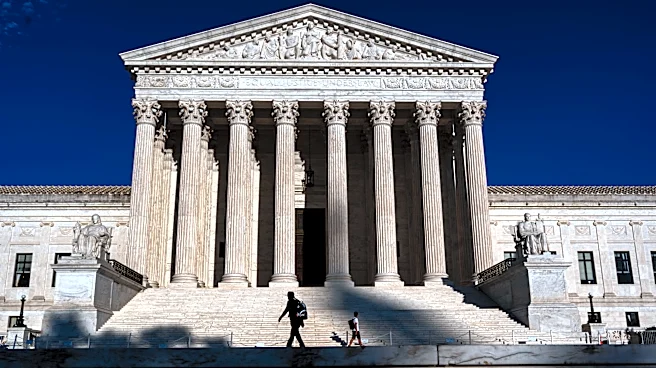
An analysis by the nonpartisan Citizens Research Council of Michigan noted U.S. Supreme Court rulings have generally viewed political spending as a free-speech category and therefore protected by the First Amendment. In June, a majority for the court found campaign finance restrictions should only be in place to prevent "quid pro quo" corruption. Proposal 2 could be determined to be too restrictive under that ruling, the CRC analysis found.
Sean McBrearty, Mop Up Michigan executive committee co-chair, said organizers expect legal challenges should Proposal 2 pass but are "very confident this is going to stand up to federal scrutiny."
Sellek countered, saying the inclusion of family members in a political spending ban makes the proposal too broad. "We think ultimately that's why there will be endless amounts of litigation about this," he said.
Organizers from Mop up Michigan successfully organized a petition drive and submitted enough valid signatures to appear on the November ballot, although they faced a challenge at the Board of State Canvassers. After canvasserscertified the proposal, opponents asked the Michigan Supreme Court to intervene. The high court declined to overturn MMOP's signatures.
State law allows the Legislature to enact ballot initiatives before they go to voters and the Michigan House voted in August to enact MMOP. But the Michigan Senate didn't follow suit, paving the way for voters to decide on the proposal. Senate Majority Leader Winnie Brinks, D-Grand Rapids, said in an Aug. 25 statement "we are eager to hear what voters have to say on this issue. In that spirit, we will not be subverting the will of the voters taking it up legislatively."
The Senate's decision to pass on taking up the proposal is notable. Had the Senate voted to enact the political spending ban, a future Legislature could have amended the law with a simple majority vote. But Michigan law places a higher bar on altering voter-enacted policy.
To overturn voter-enacted legislation, a supermajority vote is required in the Legislature, meaning three-fourths of lawmakers would have to approve any change.
You can reach Arpan Lobo at alobo@freepress.com
Looking for more on Michigan’s elections this year? Check out our voter guide, subscribe to our elections newsletter and always feel free to share your thoughts in a letter to the editor.
This article originally appeared on Detroit Free Press: Michigan voters to decide on political spending by major utilities