



If you’re a Kroger shopper and buy Red Bull energy drinks, you’re still out of luck. Industry experts say it might relate to Kroger's desire to offer affordable prices.
It’s been more than a month since the Cincinnati-based grocery giant stopped selling the popular energy drink from its stores and fuel centers nationwide.
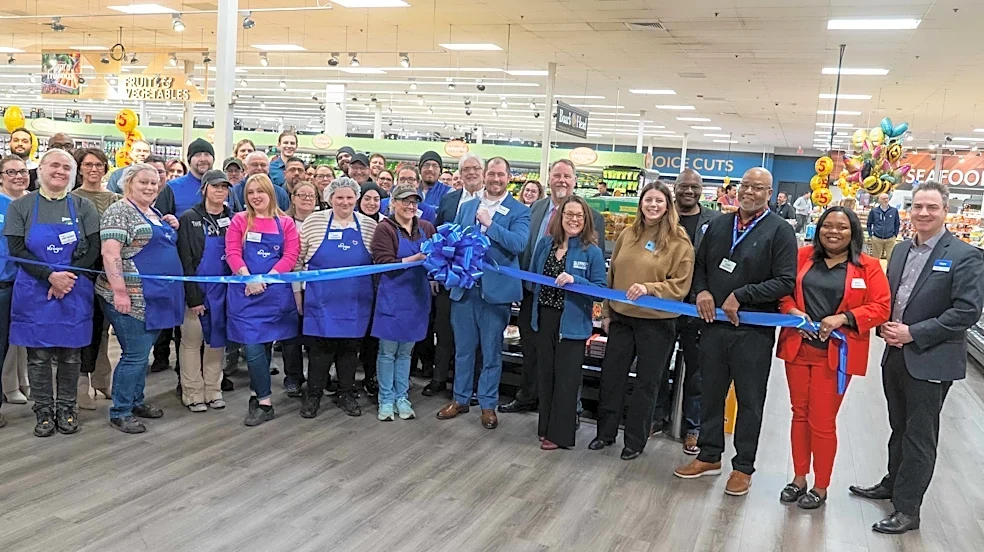
In Michigan, Kroger operates 119 stores. Nationwide, The Kroger Co. operates more than 2,700 stores under its Kroger banner as well as Fred Meyer, Fry’s and others.
Energy drinks are a $24.9 billion sector, according to consumer intelligence company NielsenIQ. It’s still unclear why Kroger is no longer selling Red Bull.
Neither The Kroger Co. nor Red Bull company has publicly commented on a reason. Both Kroger and Red Bull’s U.S
headquarters in Santa Monica did not return Detroit Free Press messages and requests for comment for this story.
The Free Press also called and visited metro Detroit Red Bull distributors listed in Madison Heights and Romulus. Messages were not returned. Other Michigan Red Bull distribution centers are in Saginaw and Farwell.
Kroger CEO wants affordability
Industry analysts are pointing to Kroger’s Greg Foran – a Walmart veteran – and his charge to improve affordability and value.
“Customers should find everyday prices they trust, paired with promotions that are simple and easy to understand,” reads a Foran letterto shareholders at thekrogerco.com. “We are lowering prices and sharpening our promotions, so value is easy to see. "Our customers need to trust they will find the best prices on the high-quality products Kroger is known for. That’s why we are taking a disciplined look across our operations to unlock cost savings – and reinvesting those dollars directly into lower prices for our customers.”
Foran told shareholders that he would look into how the retailer sources products, manages its supply chain and “how we modernize our work through initiatives like the Kroger Capability Center.”
More recently, Kroger announced it would lay off 3,000 corporate staffersin an effort to become “leaner” and take advantage of technology.
Kroger named Foran its new CEO in February 2026, replacing interim CEO Ron Sargent, who filled the role after Rodney McMullen resigned in March 2025 after an investigation into his “personal conduct.”
Will the Red Bull stance work?
Industry analyst and grocery and consumer expert Phil Lempert, also known as the Supermarket Guru, said Foran is well-known for his role at Walmart.
“And Walmart has always been very strict with their suppliers about price increases and asking them to justify it,” Lempert recently told the Free Press.
For six years, Foran led Walmart's U.S. retail operations and was widely credited with the company's turnaround.
“When Foran came to Kroger the first thing he said was he's going to focus on was the in-store experience and making it better for consumers,” Lempert said.
While Foran worked on refreshing Walmart stores, he also implemented strategies that included standardizing and simplifying operations. Foran is widely considered to have led a period of growth for Walmart.
Lempert said Kroger is under a lot of pressure from two sides. One is consumers complaining about food prices, he said, and the other is expenditures including: a failed merger with Albertsons that began in 2022; its acquisition announcement of Giant Eagle in July 2026; and having to pay out $350 million to Ocado to get out of its contract with them. Ocado is a technology company that operates a high-tech system for grocery ordering, packaging and delivery.
“What they found is that their sales aren't down, (but) they're not nearly as good as they had hoped,” Lempert said. “My question is whether or not with all these expenditures that they have, and the lack of sales, whether or not he's going to be able to do that,” referring to Foran’s goal of improving affordability at Kroger.

Kroger also faces others in the industry seeing increased market share and profits, Lempert said, including Walmart and Amazon grocery/Whole Foods.
“Kroger has stronger competition than ever before,” Lempert said. “I think what they're trying to do is push suppliers to either maintain or lower prices in order to have a good story to tell consumers to come back to Kroger.”
Lempert also said that, taking a page out of the Walmart playbook, he's seen two notable cases so far with Kroger.
“One with Boar’s Head where they’ve (Kroger) dropped Boar’s Head in certain stores because Boar’s Head prices are high and they can switch people to use the Kroger store brand of deli meats," he said.
(More recently, Kroger brought back Boar’s Head products pulled from its stores.)
While Red Bull is a popular energy drink, Kroger sells other energy drinks.
But, unlike deli meat, it would be tough to steer customers to them because Red Bull drinkers tend to be loyal to Red Bull.
Doing the right thing
Burt Flickinger III, a retail analyst and managing partner of Strategic Resource Group, a consumer consulting firm that operates worldwide and is based in New York, said Kroger’s Red Bull move is sending a “screaming red message” to every vendor, with the exception of private label packers.
“It's a real commercial, consumer, societal and conscientious credit to Kroger to take the dramatic stance of building Greg Foran’s leadership,” Flickinger told the Free Press.
Flickinger said in his nearly 30 years of antitrust work, Kroger likely found examples of companies, like Red Bull, charging them more for products than other retailers.
Sargent and Mary Ellen Adcock, Kroger's chief buying and merchandising officer, are supporting Foran in his efforts at improving Kroger.
Flickinger said he believes Red Bull, an energy drink category leader, will not be the first vendor Kroger battles with "in all its divisions to drive down prices for consumers."
While companies such as Kroger typically do not have multi-year contracts with a brand, Flickinger said they have procurement agreements that might last a season and may not be binding for more than 30 days.
“So, this is Kroger making a statement saying that Kroger is the buying agent, whether it's Kroger Michigan or other stores, for the consumer,” Flickinger said.
Kroger, Flickinger said, pulling from an an old movie line, “isn't going to take it anymore.”
“A lot of people support Kroger on this one and it'll be a tremendous positive and almost no negative,” Flickinger said.
As The Cincinnati Enquirer first reported, Kroger officials said its stores last sold Red Bull products in August; Red Bull coolers and displays as of Aug. 31 were no longer in stores.
“Red Bull is currently out of stock while we work with our suppliers to keep prices affordable for you,” reads a message when you search for Red Bull on the Kroger website.
Still on Kroger store shelves are other energy drink brands including Monster, Alani Nu and Bloom.
Contact Detroit Free Press food and restaurant writer Susan Selasky and send food and restaurant news and tips to: sselasky@freepress.com. Follow her on X, formerly Twitter: @SusanMariecooks. Subscribe to the Eat Drink Freep newsletter for insider scoops on food and dining in metro Detroit.
This article originally appeared on Detroit Free Press: Analysts suspect Kroger feud with Red Bull stems from high prices