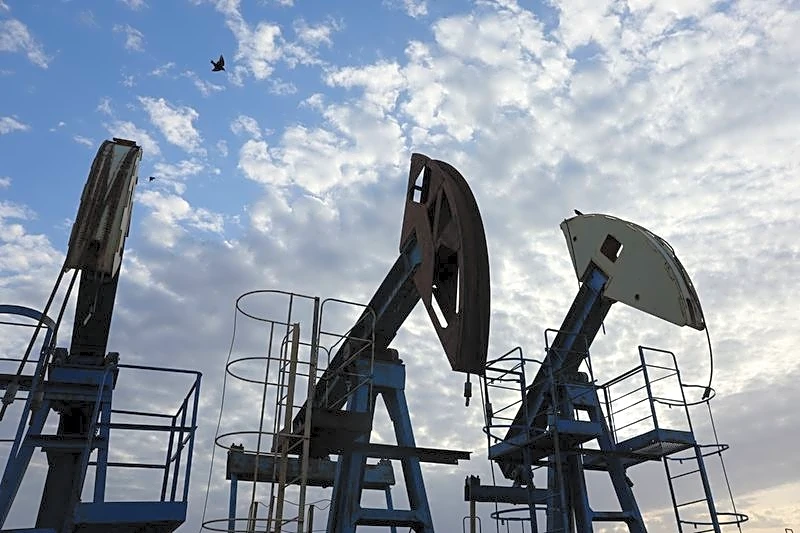





High fuel prices aren’t budging much, edging up and — this week, down — as the Iran war drags on and Democrats and Republicans in office or seeking it accuse each other of causing the problem.
Fewer people also seem to be buying Republican claims that former President Joe Biden is still to blame.
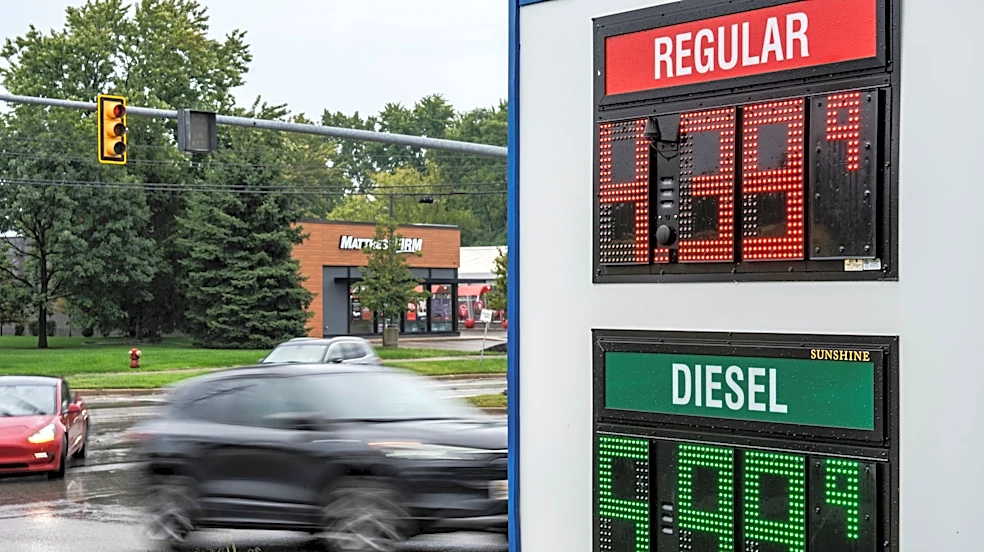
Gasoline prices on Monday, Oct. 19, averaged $4.49 a gallon in Michigan, down 17 cents from a week ago, but up $1.87 compared to a year ago, according to AAA. Nationally, gasoline was $4.30 a gallon, and diesel, which has been of even bigger concern, $6.32.

Gasoline prices also hit a new record last week with the national average price of regular gasoline remaining more than $4 per gallon for at least 158 consecutive days, breaking the record set during
the 2022 fuel price surge, when a Democrat was president.
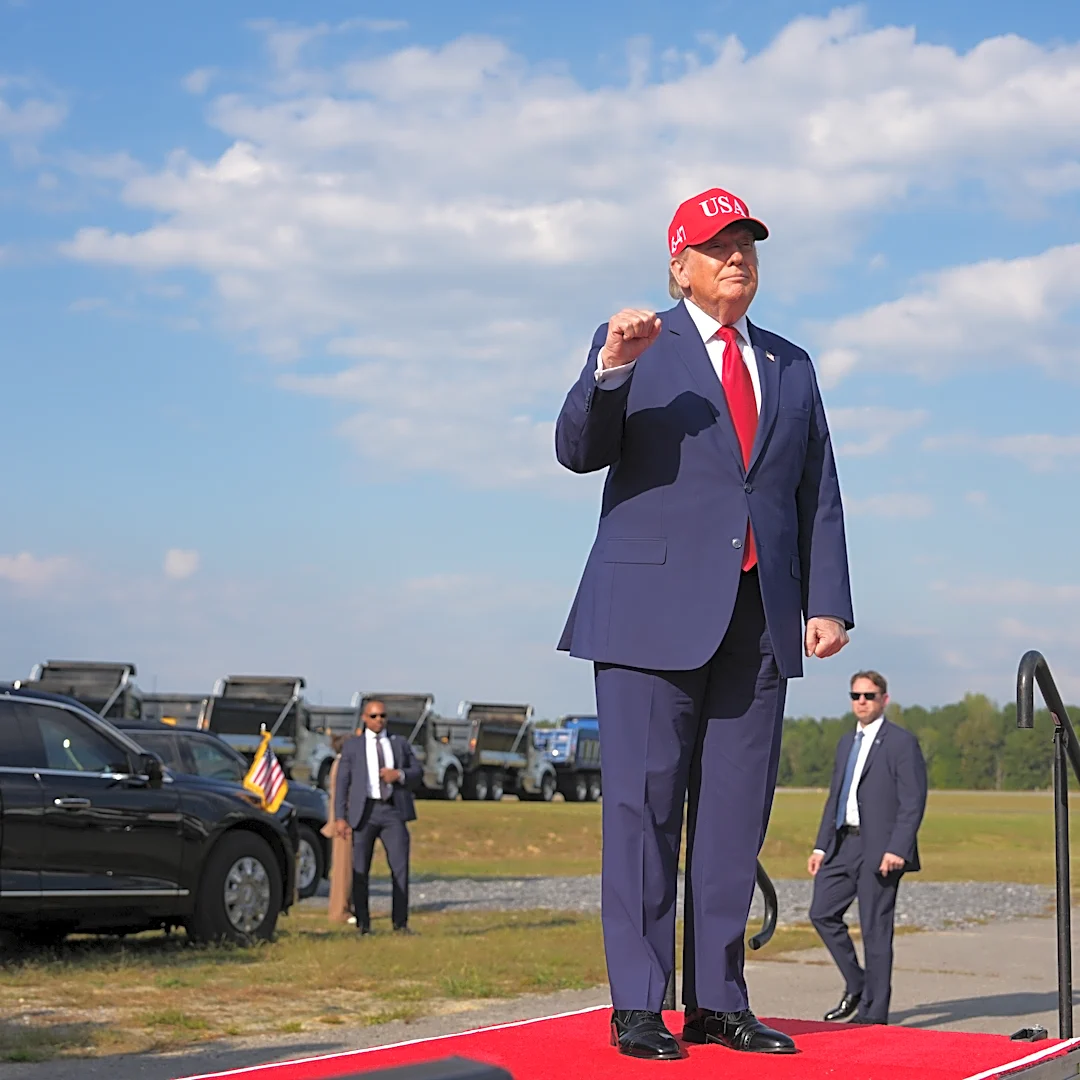
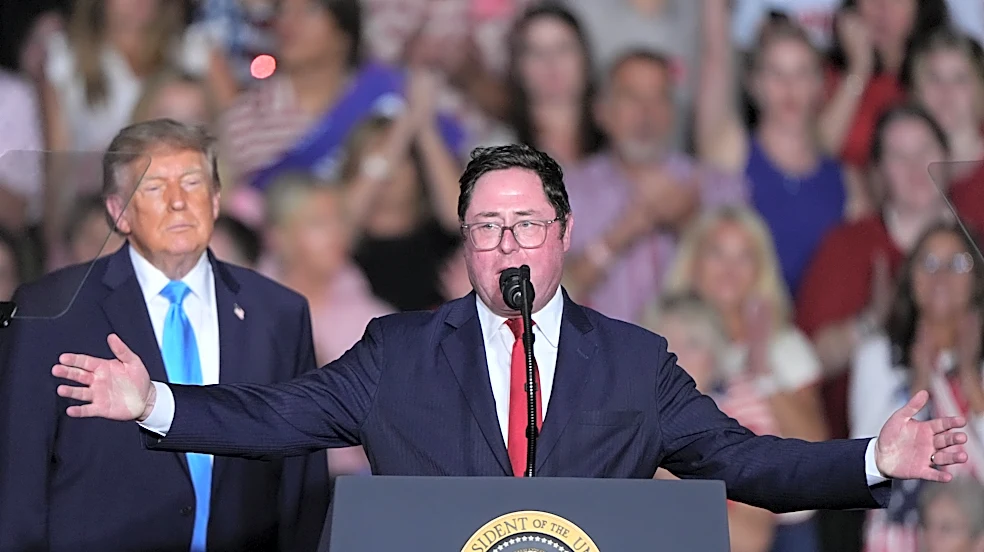
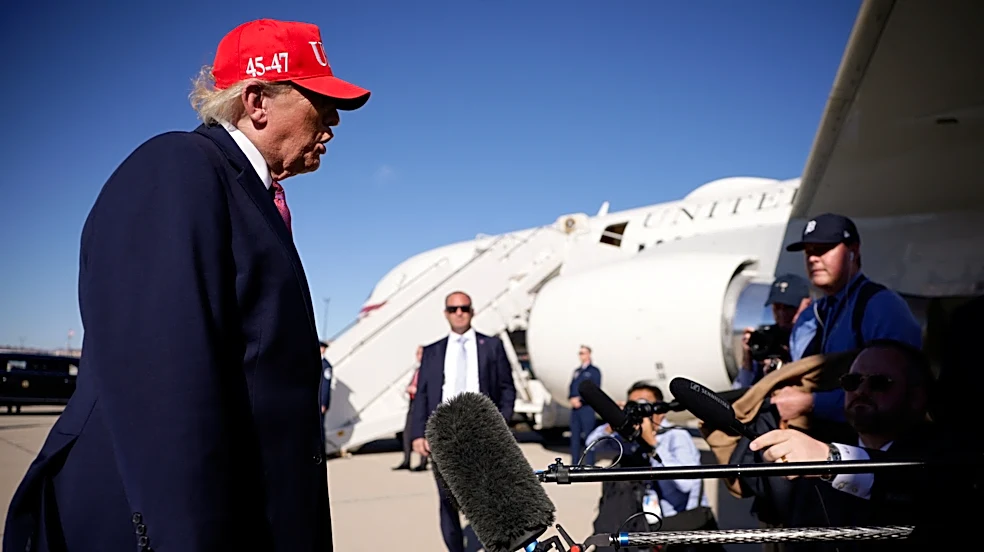
At the same time, President Donald Trump’s approval rating is now 33%, according to a Washington Post-ACE News-Ipsos poll. It is so low that even Republican candidates, such as Michigan's U.S. Republican senate candidate Mike Rogers, are distancing themselves from the president.
Fuel prices are getting attention as the midterm elections approach because they are the most visible measure of what some are arguing is an affordability crisis, with many Michiganders facing increased costs for food, housing, childcare, healthcare, energy and even water bills.
And since launching airstrikes on Iran nearly eight months ago, Trump has been unable to bring fuel prices down, a promise that the president repeatedly made while campaigning for a second term.
While the one-day average high for gasoline in Michigan is still less than the $5.22 a gallon record set in 2022, about a month ago, diesel hit a new high of $6.89 a gallon. And in California, one gas station reportedly was selling premium gasoline for $10 a gallon.
When is it Trump's economy?
Last week, Vice President JD Vance was asked last week by a Michigan man about gas prices during a town hall in Monroe that CBS News aired Saturday night. The man said he voted for President Trump and Vance in 2024.
But he added that he now plans to vote for Democratic Senate candidate Abdul El-Sayed, in part because of the high fuel prices, which had been low at the end of Trump’s first term, have skyrocketed to $4.33 a gallon. El-Sayed has repeatedly criticized Trump for higher fuel prices.
What the questioner wanted to know was: What could be done to bring prices down?
Vance, in response, acknowledged that gas prices were "too high" and that the increase was a result of the Mideast war, blaming Iran, but he also they could be higher and claimed Biden was at fault.
To which, CBS anchor Tony Dokoupil interjected: "It has almost been two years" and added, “at a certain point, it becomes your economy, not Joe Biden’s economy." The broadcaster added that in March the vice president called high gas prices a "temporary blip."
"How long is temporary?" Dokoupil pressed.
Vance, who also made the temporary claim while in Michigan, did not offer a time frame and, instead, pivoted back to campaigning for Rogers, the Republican Senate candidate whom the vice president oddly praised for calling for an end to the war and going "against his own party."
'Might have gone too far'
Others also have pushed back on Republicans who — four years after gas prices spiked to record highs — continue to blame a Democratic president who inherited from Trump a pandemic-battered economy that he arguably eventually turned around.
In a viral video circulating on social media last week, Maryland Republican Rep. Andy Harris blamed high diesel and gas prices during a congressional debate on Democratic environmental regulations.
The audience burst into laughter.
Even Trump, during a rally in Arizona last week, predicted, as he has for months, that the conflict was nearing an end, slipped in a remark that seemed like it was intended to be humorous but also suggested he might be questioning his own decision. He said, referring to the destruction in the war with Iran, that he "might have gone too far."
Worries about the high price of fuel have gotten so bad that the Trump administration has undermined its own oil sanctions on Russia by buying diesel fuel, a decision that has been criticized by Republicans. Friday, Trump also signed an executive order exempting Russia from sanctions Congress passed just last month.
And on Saturday, at the No Kings marches in Ferndale and thousands of other communities nationwide, high gasoline prices were a recurring concern among the millions of protesters.
Meanwhile, Brent crude oil, a closely watched benchmark for global energy, went above $110 per barrel, a high point since May, on Friday. And some analysts are concerned about a potential "super spike" in oil prices.
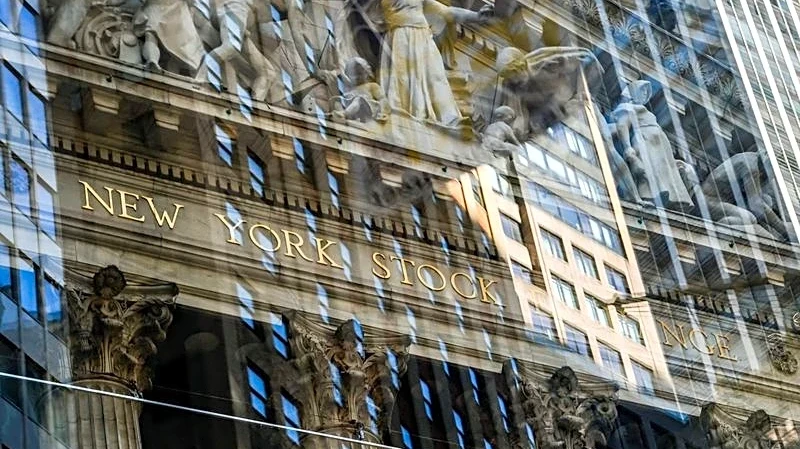
In addition to affecting the cost of driving and transportation, high fuel prices are increasing the chances the Federal Reserve will raise interest rates again this year and could become a drag on the stock market.
Rob Haworth, senior investment strategist at U.S. Bank Wealth Management in Seattle, told Reuters there was fear in the market. High oil prices — which generally also means higher fuel prices — tend to weigh on stocks, leading investors, he said, "to be cautious."
Contact Frank Witsil: 313-222-5022 or fwitsil@freepress.com
This article originally appeared on Detroit Free Press: As voters question high gas prices, Republicans keep blaming Biden