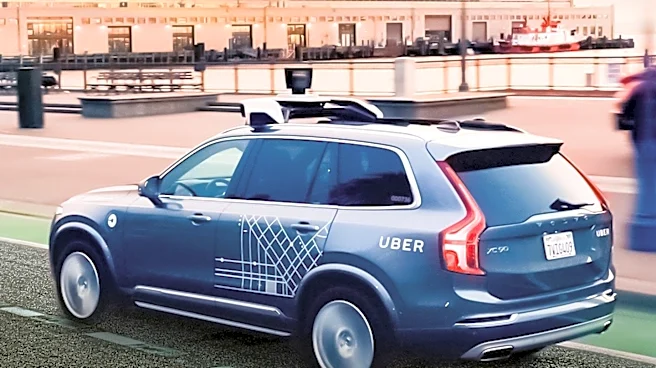

Waymo’s robotaxis managed a notably better crash rate than human drivers in a recent study.
The results, from four cities where the company is operating, add fodder to the debate over whether Waymo vehicles
are safer than human-driven vehicles. Waymo says it plans to launch operations in Detroit at some point.
Driverless Waymo vehicles had police-reportable crash involvement rates 68% lower than vehicles with human drivers in the same areas during the study period (2021-2024), according to the Insurance Institute for Highway Safety study released Thursday, July 23.
However, the study, which counted a final sample size of 736 incidents, noted that the “results may not apply to future locations where Waymo deploys or to companies other than Waymo” with driverless vehicles that meet the same level of capability, described as highly automated or Level 4. That means they can operate without a human driver within a specified set of conditions.

Detroit is one of the areas where Waymo is expected to launch its robotaxi service in the future. Ethan Teicher, a company spokesman, on July 24 said the company does not have a timeline to share for Waymo’s Detroit deployment.
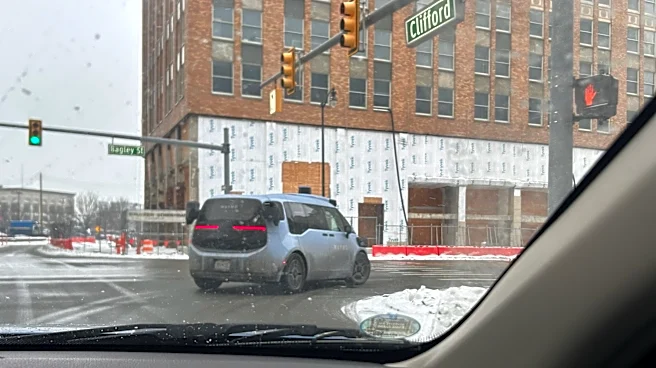
The company’s vehicles can already be seen regularly traveling around downtown Detroit ahead of the expected robotaxi launch. They've been spotted, but with humans sitting in the driver's seats.
The Insurance Institute study included data from San Francisco; Los Angeles; Austin, Texas, and Phoenix, where the company launched its first robotaxi service in 2020.
The study noted that robotaxi testing and deployments haven’t come without incident. It highlighted a National Transportation Safety Board investigation launched this year into a crash in which a Waymo vehicle “struck a 9-year-old child in a school zone, resulting in minor injuries.” That crash happened in January in Santa Monica, California, according to an NTSB release. Other issues have gained attention outside the study focus, too. The Wall Street Journal reported this week that Waymo “vehicles have been fined $9,325 in parking tickets” since 2024.
The Insurance Institute study noted the challenges of reconciling differences in crash reporting between human-driven cars and driverless cars and how it tried to address them. Part of the purpose of the study, it said, is to “use this experience to identify ways to improve current data systems.”
It also noted that having a lower crash rate than humans doesn’t equate to being “safe.”
Joe Young, an Insurance Institute spokesman, was asked about the number of sample incidents in the study and said that "for the main findings, which only included Waymo crashes, the sample was 64 crashes. There were a total of 488 crashes involving Waymos, but most of these were determined to be not police-reportable and were excluded from the analysis."
According to the institute, reportable crashes generally involve injury or more than $1,000 in propety damage, but that amount can vary depending on the state.
A statement from Waymo, referencing an abbreviation for autonomous vehicles, said, “We welcome this new research from IIHS, which confirms our previous peer-reviewed analyses and reinforces the significant safety benefits of the Waymo Driver. We also support the authors’ recommendation for more robust reporting requirements for AV operators − requirements that Waymo already voluntarily meets.”
The company noted that “more high-quality data is fundamental for building public trust in this technology and ultimately making roads safer for everyone.”
Eric D. Lawrence is the senior car culture reporter at the Detroit Free Press, and he also writes about recreational vehicles, boats and bikes. Send your tips and suggestions to elawrence@freepress.com. Become a subscriber. Submit a letter to the editor at freep.com/letters.
This article originally appeared on Detroit Free Press: Waymo crash rate better than human drivers in study