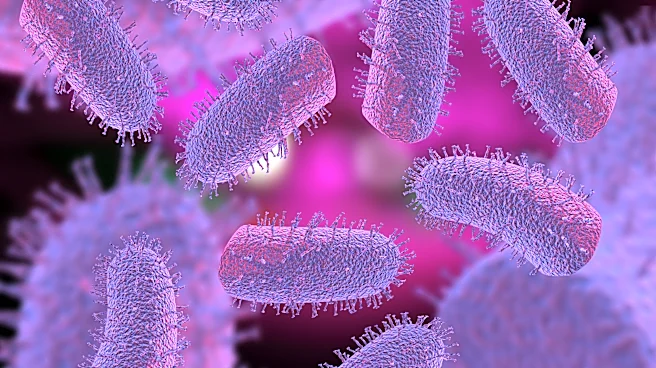



A 1-year-old horse in Clare County was euthanized after contracting eastern equine encephalitis, also known as EEE, the Michigan Department of Agriculture and Rural Development reported Monday, Aug. 31.
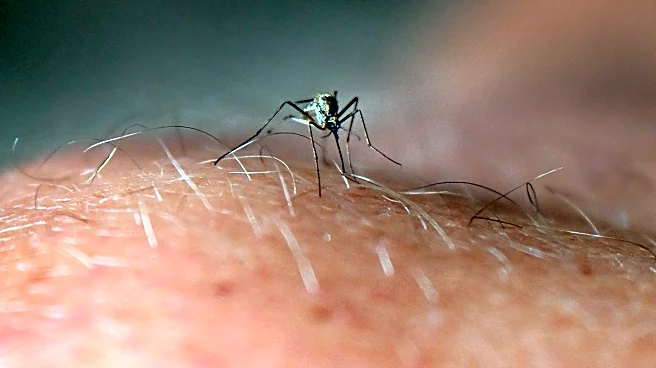
It's the first known animal case of EEE this year in Michigan. The rare and often lethal virus is passed to horses and humans through the bite of infected mosquitoes. A person in Roscommon County also was diagnosed with EEE, which causes serious illness and kills 1 in 3 people who are infected, the Michigan Department of Health and Human Services reported Aug. 19.
“While this is the first case of EEE detected in an animal this season, there has already been one human case of the disease this year,” said state Veterinarian Dr. Nora Wineland, in a statement.
“These detections clearly indicate EEE, as well as other possible mosquito-borne viruses, are circulating in the state’s mosquito population. Preventing mosquito bites is crucial to prevent mosquito-borne diseases in our animals and families.”

The Quarter Horse colt was not fully vaccinated, MDARD reported. The colt was taken to a specialty hospital for care but ultimately was euthanized.
Although there is a vaccine to protect horses from EEE, there is no vaccine or treatment available for humans, other than supportive therapy to help those who are infected breathe, get fluids and nutrition and prevent other infections. In those who survive an EEE infection, the disease can leave permanent and disabling brain damage, personality disorders, seizures, paralysis and cranial nerve dysfunction, according to the U.S. Centers for Disease Control and Prevention.
“With the recent case of EEE in a Roscommon County residentand now this new detection, it is crucial that Michigan residents take precautions against mosquito bites,” said Dr. Natasha Bagdasarian, the state's chief medical executive. “EEE is one of the most dangerous mosquito-borne diseases in the U.S., with a 30% fatality rate amongpeople who become ill. We urge residents to take precautions such as using an EPA-registered insect repellent when outdoors, avoiding areas where mosquitoes are present if possible and wearing clothing to cover arms and legs to prevent bites.”
To prevent the occurrence of mosquito-borne diseases in horses and other animals, MDARD suggests:
- Talking to a veterinarian about vaccinating horses against EEE, WNV, and other mosquito-borne diseases.
- Eliminating standing water by filling in puddles, repairing eaves and changing the water in buckets and bowls at least once a day.
- Place livestock in a barn under fans and keep pets inside the home during peak mosquito activity from dusk to dawn.
- Use an insect repellant on animals that is approved for the species.
- Contact a veterinarian if an animal shows signs of illness. If a Michigan animal is suspected of having EEE or West Nile virus, funding is available under an arbovirus grant to cover the testing costs. Call MDARD at 800-292-3939 for more details.
To protect humans from mosquito-borne diseases, health leaders suggest:
- Using an insect repellent that contains DEET and is registered with the U.S. Environmental Protection Agency.
- Limiting outdoor activity at dawn and dusk, when mosquitoes are most active.
- Wearing light-colored, long-sleeved shirts, long pants and socks when outdoors. Apply insect repellent to clothing, too.
- Emptying standing water at least once a week to reduce mosquito breeding sites, such as tires, buckets, toys, pools, birdbaths, flowerpot saucers or trash containers.
- Installing or repairing window and door screens to keep out mosquitoes.
Contact Kristen Shamus: kshamus@freepress.com. Subscribe to the Detroit Free Press.
This article originally appeared on Detroit Free Press: Risk of mosquito-borne viruses rises as EEE detected in Michigan horse