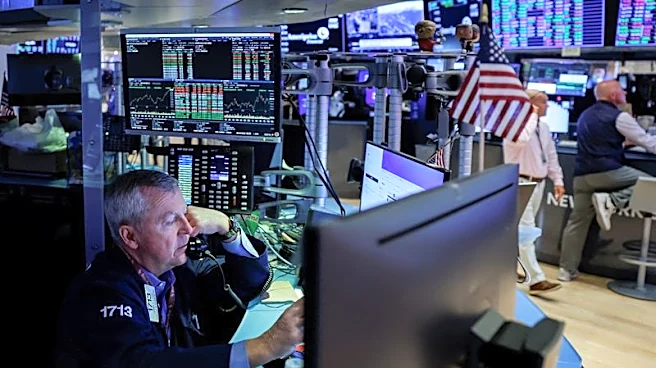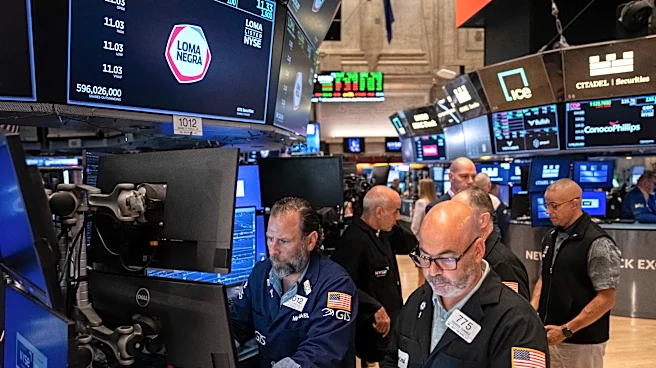




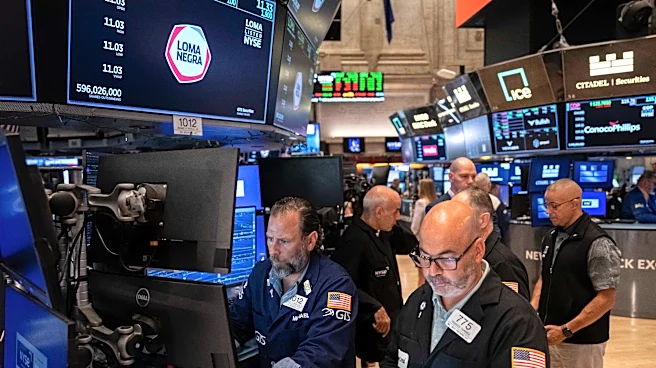
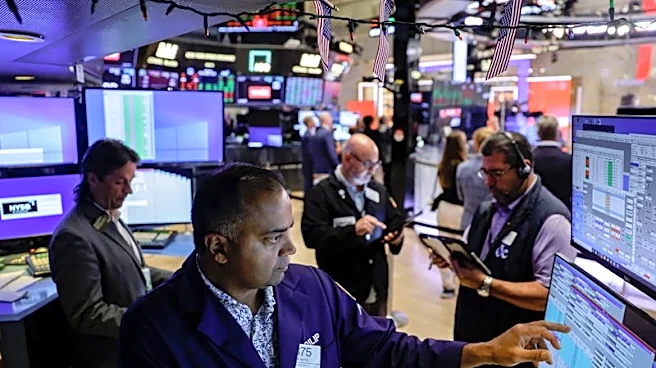
The S&P 500 closed above 7,800 for the first time on Thursday, Aug. 13 — its 27th record close of 2026 — and the Russell 2000 index of smaller companies notched a high of its own.
Then the morning of Friday, Aug. 14, delivered two reminders that the American consumer isn't feeling any of it.
Consumer prices rose 0.1% in July and 3.4% from a year earlier, down from 3.5% in June, landing exactly where economists had expected.
Producer inflation went even better than expected. The Producer Price Index was unchanged in July against a 0.2% consensus for a gain, with core PPI (without food and energy prices) up just 0.2%. Annual PPI slowed to 4.7% from 5.5% in June.
The one-two dovish punch (behavior that is more supportive of keeping interest rates low)
was enough to trim rate-hike expectations sharply.
Traders now price a September rate hold as the base case. Odds of a hike fell to as low as 25% on Friday, plummeting from over 60% at the start of the month.
Memory chips stage a comeback
July's worst performers became August's best.
California-based semiconductor company Sandisk, down 31.6% last month, gained roughly 35% on the week through Friday morning after an investor day where management sized the global flash-memory market at $300 billion in 2026 and $500 billion in 2027. The board also authorized another $14 billion in stock buybacks.
American multinational semiconductor company Micron rose alongside it. Shares of cloud-computing company CoreWeave jumped 19% Wednesday after lifting its capital-spending plans.
The AI buildout keeps writing checks.
Not so confident retail numbers
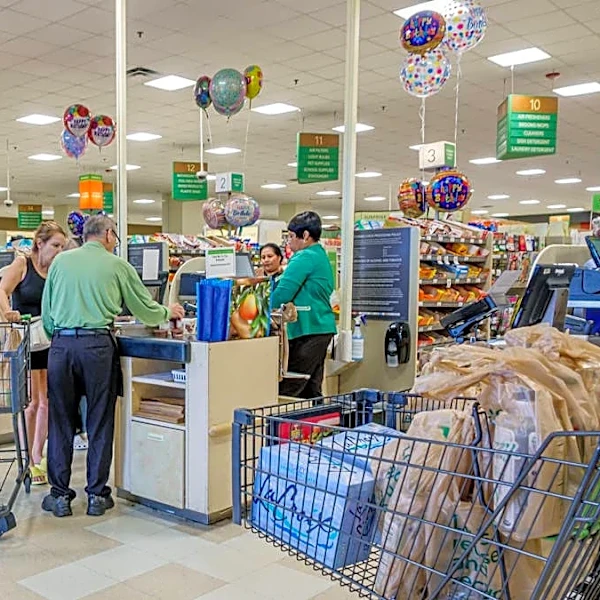
Retail sales fell 0.6% in July; economists had forecast a 0.1% gain. Yet, much of the drop was attributed to gasoline sales. Discretionary spending showed minimal signs of slowing.
A warning came from the confidence gauge.
The University of Michigan's preliminary August sentiment index dropped to 51.0 from 55.2, its first decline in three months and well below the 54.5 expected.
The internals were bleak. Only 8% of consumers expected their income to outpace inflation over the next year, down from 18% in December 2024. Year-ahead inflation expectations ticked up to 4.3%.
That’s the tension building up.
Wall Street is pricing a world where corporate profits keep climbing on the back of an enormous wave of AI spending.
Households are saying they're still losing ground to prices.
Benzinga is a financial news and data company headquartered in Detroit.
This article originally appeared on Detroit Free Press: Inflation cools, soothing investor fears. What about consumers?