





The "pump and dump" stock scheme is back in full force in 2026. Instead of some wolf of Wall Street calling out of the blue, you get fleeced after joining an investor chat room or spotting a fake CEO or celebrity endorsement on social media.
You're certain that you're going to make mega bucks on some hot stock tip, and you lose every dime. The fear of missing out can get you every time.
Nearly 13 years ago, Martin Scorsese brought “The Wolf of Wall Street” to the big screen on Christmas Day. Not a bad idea to stream it, though it is raunchy, or read the book for a refresher course. It's based on the story of Jordan Belfort who some say wrote the playbook on how to scam everyday investors.
Or might I suggest "The Beekeeper," a 2024 fictional thriller
that features a high-energy, predatory boiler room behind tech support and customer service scams.
How investment scams steal billions
Like other scams, experts warn that latest surge in investment scams is being fueled by generative artificial intelligence tools. Some phony Facebook and Instagram posts appear quite convincing. Scammers also target people who have a good deal of savings in 401(k) plans and other assets.
One prominent phony Facebook ad featured a "Shark Tank" host, touted secret investment strategies, amazing returns and ultimately cost some people nearly all of their retirement savings.
During the first half of 2026, Michigan consumers reported losing nearly $58 million to some sort of investment-related fraud, based on data from the Federal Trade Commission. That's based on 921 reports received by the FTC and its partners in the FTC Consumer Sentinel Network.

Nationwide, consumers reported losing more than $3 billion to investment related fraud this year through June 30. The median loss was $10,000.
In 2025, consumers across the country reported losing more than $8 billion — or nearly half of all reported losses to fraud — to some form of investment scam in 2025, according to data from the Federal Trade Commission.
Scammers often go so far as to impersonate financial advisors, using names of real wealth management advisors in some cases, as well as pretending to be backed by CEO or celebrity endorsements.
A deepfake video a few years ago, for example, tricked an 82-year-old retiree into thinking billionaire Elon Musk was promoting a high-return investment opportunity online, according to a U.S. Senate committee report.
Within several weeks, the report noted, Steve Beauchamp lost more than $690,000 of his retirement savings to digital scammers.
These types of scams are ongoing and some, even in Michigan, continue to lose money to crypto investment scams or other scams that are pitched with fake endorsements by Musk.
Or you might meet someone on social media through a dating app or chat room where the conversation suddenly turns to how to make big money. Members of the investment group might claim they have insider financial secrets.
Earlier this year, a Troy man lost about $520,000 to sophisticated investment-related scam. As part of the complex scheme, the victim handed over cash and gold bars, literally, eight times in person to multiple people between March and May, according to police.
How 'pump and dump' scams start
The Financial Industry Regulatory Authority — known as FINRA — issued an alert in September outlining how consumers must be vigilant to avoid "pump and dump" investment scams.
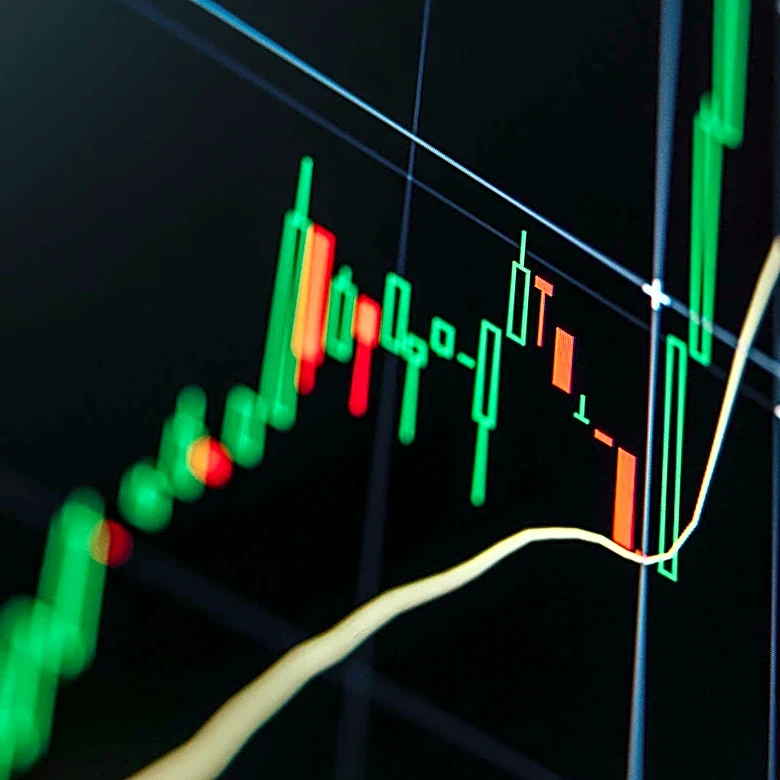
In this type of scam, someone heavily promotes a stock, often a penny stock trading at less than $5 a share, to inflate its price. Those behind the scheme sell off what shares they own once the stock price has soared, essentially dumping the stock after pumping it up. The victims lose their money once the stock falls after that sell-off.
"Fraudsters will engage in various tactics to 'pump' up their chosen stock, such as promotion via the internet, social media and email," according to the FINRA alert.
In the past, the FINRA alert notes that fraudsters typically reached out to potential victims through word of mouth or by picking up the phone and making cold calls. Much like what you saw watching "The Wolf of Wall Street."
Now, maybe, you'll spot an ad on social media, click on it and then be directed to an investment club that operates via an encrypted group chat.
Or you might be sent an unsolicited text message to get the whole thing going. "The bad actors then use the group chat to promote and ultimately manipulate the demand for and price of the target stock," according to the FINRA alert.
Michigan Attorney General Dana Nessel warned consumers in April about the prevalence of investment schemes proliferating across Meta platforms, including on Facebook, Instagram, and WhatsApp.
She noted that "pump and dump" schemes follow a three-step process:
- The Bait: You might spot ads on Facebook or Instagram featuring well-known financial celebrities, such as Kevin O'Leary or Joe Kernen, who are not associated with these deals or offering investment tips.
- The Shift: Once a user clicks the ad, they are pressured to move the conversation to WhatsApp or other encrypted platforms, such as Telegram. This allows scammers to operate away from platform moderators.
- The Hook: Victims are funneled into group chats where they receive so-called "expert" advice and false testimonials. Eventually, victims are coerced into buying stocks or crypto, with the initial fraudulent tips sometimes appearing successful and generating a profit.
In September, the U.S. Attorney for the Southern District of New York announced that Julius Csurgo was sentenced to 27 months in prison for manipulating 19 different “penny stocks” in a pump-and-dump schemes with co-conspirators that generated nearly $35 million.
Many years ago, Michigan had its own wild character, Ernie Olde, the founder of the former Detroit-based Olde Discount Corp. where regulators say brokers aggressively pitched unsuitable, high-risk stocks.
A U.S. Securities and Exchange Commission investigation detailed practices at the former discount brokerage from the fall of 1992 through August 1995, indicating that Olde brokers used high pressure sales tactics and received significant financial incentives for selling stocks on set list. The SEC noted the majority of those stocks were “speculative or growth investments.”
In the fall of 1998, federal regulators took action against Olde Discount and three top executives, including Ernie Olde. The settlement resulted in $7 million in fines. The firm and executives did not admit to wrongdoing. Ernie Olde, who grew up in Marine City, died in 2002.
Thousands of small-time investors lost millions in the mid-1990s and blamed abusive sales practices at Olde Discount.
Unfortunately, we've got to consider why someone is so incredibly motivated to let us in on the next hot thing and drive us into investing in a specific stock, cryptocurrency or even their upstart business.
Typically, someone in that investment group chat or elsewhere is going to suggest that if you don’t act immediately, you’ll never get another shot at making this much fast cash.
And if the target stock price shoots up substantially, it only drives up that fear of missing out and triggers more urgency to buy more stock.
Maybe the deal's sizzle is a so-called technology breakthrough or major contract.
The stock price keeps climbing higher, as the crooks pump it up.
All good? No.
The fraudsters sell off their shares as the stock price spikes — never giving small investors a clue that crooks have moved onto the "dump" phase of the "pump-and-dump" scam.
"The selling activity and resulting share price crash often occur very rapidly, sometimes in a matter of seconds," FINRA warns.
"The speed of the dump can make it difficult for other shareholders to sell their holdings without incurring substantial losses."
And guess what? The crooks might try for a second bite of the apple. Investors who were harmed by pump-and-dump scams can be hit by so-called "recovery scams" packed with false promises to help recoup their investment losses—for a hefty fee.
Contact personal finance columnist Susan Tompor: stompor@freepress.com. Follow her on X @tompor.
This article originally appeared on Detroit Free Press: Why 'pump and dump' stock scams are surging. And how to spot trouble.