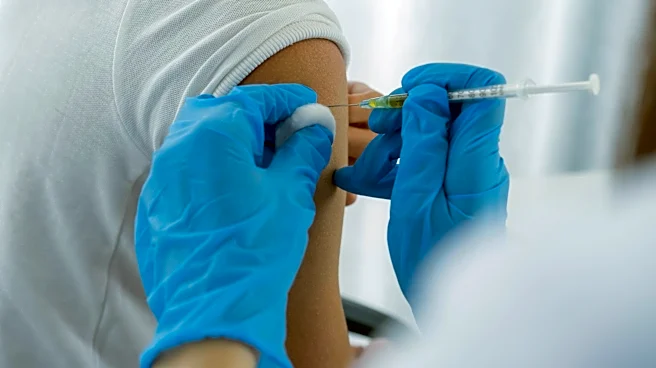







The arrival of fall in Michigan means the peak of flu season is not far away, and experts say getting vaccinated now will give you protection throughout the season.
The flu shot provides lifesaving protection against severe illness and prevents spreading the flu to your loved ones, according to the American Lung Association.
Experts recommend getting your flu shot by late October, and even in September if possible, according to the Centers for Disease Control and Prevention. Once you're vaccinated, it'll take about two weeks for antibodies offering protection against the illness to develop in your body, the CDC says. The vaccination will protect you throughout flu season.
Immunity declines as times passes, which is why health experts recommend
annual seasonal vaccinations, Healthline and the CDC noted. The U.S. Food and Drug Administration has recommended updated flu vaccines to protect against the influenza A (H3N2) subclade K virus of the flu that spread during last year's flu season, the CDC said.
Flu season in the U.S. typically is worst from October to May, peaking in the winter between December and February, the CDC and Cleveland Clinic said.
You can get vaccinated at a local pharmacy or other health institutions across Michigan.
Here's what to know before getting vaccinated.
How long does the flu shot last?
Once you're vaccinated against influenza (the flu), the flu shot takes around two weeks to develop antibodies in your body, offering protection against the illness, the CDC says.
A vaccination is designed to protect you throughout the current flu season, and your body's immunity to the flu will decline as time goes on, Healthline said. The CDC recommends getting your seasonal flu vaccine each year to best protect yourself from the flu.
When does flu season start?
Flu season begins in the fall, typically in October, the Cleveland Clinic says. Flu season tends to peak in the winter months, between December and February, the CDC explained.
What is the flu?
The flu is a common respiratory illness you get from the influenza virus, the Cleveland Clinic said.
What's new with flu vaccines?
For the upcoming flu season, the Vaccines and Related Biological Products Advisory Committee of the U.S. Food and Drug Administration at a March 12 meeting recommended three egg-based vaccines and three cell or recombinant vaccines, the CDC said.
This year's flu shot is a trivalent vaccine targeting three variations of the virus: two influenza A-type viruses that cover H1N1 and H3N2 strains, as well as an influenza B/Victoria lineage-type virus, according to the U.S. Centers for Disease Control and Prevention.
The new vaccines are designed to protect against the influenza A (H3N2) subclade K virus of the flu that spread during last year's flu season, the CDC said.
The FDA shared the guidance with the manufacturers of FDA-approved seasonal flu vaccines, the CDC said.
A new mRNA version of the seasonal flu shot called mFLUSIVA has been authorized by the U.S. Food and Drug Administration for use in people ages 50 and older.
Where can you get the flu shot?
Check with your local pharmacy, doctor's office or health department to set up your flu shot. Many health care providers offer walk-ins and appointments.
How long does flu season last?
Flu season lasts into the spring, usually slowing in May, the Cleveland Clinic says, but influenza viruses can spread year-round.
Who should get the flu shot?
The CDC recommends everyone 6 months and older get vaccinated against the flu. Those at higher risk for the flu include:
- Adults 65 and older
- Individuals with chronic health conditions
- Children 5 and younger
- Pregnant women
How much does the flu shot cost?
The flu shot may be free or low cost with most insurance options.
The Detroit Free Press contributed.
Contact Jenna Prestininzi: jprestininzi@freepress.com.
This article originally appeared on Detroit Free Press: How long does flu shot last? What experts say this fall