




A money-losing derivates bet on interest rates has led to financial problems at one of metro Detroit's two big nationally ranked mortgage firms, although CEO Mat Ishbia insists it was a "onetime event" that will not happen again.
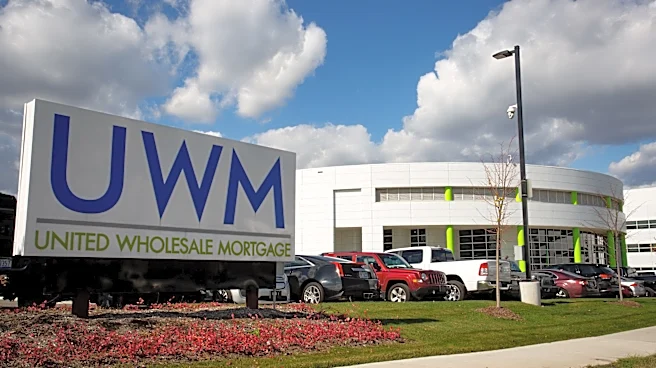
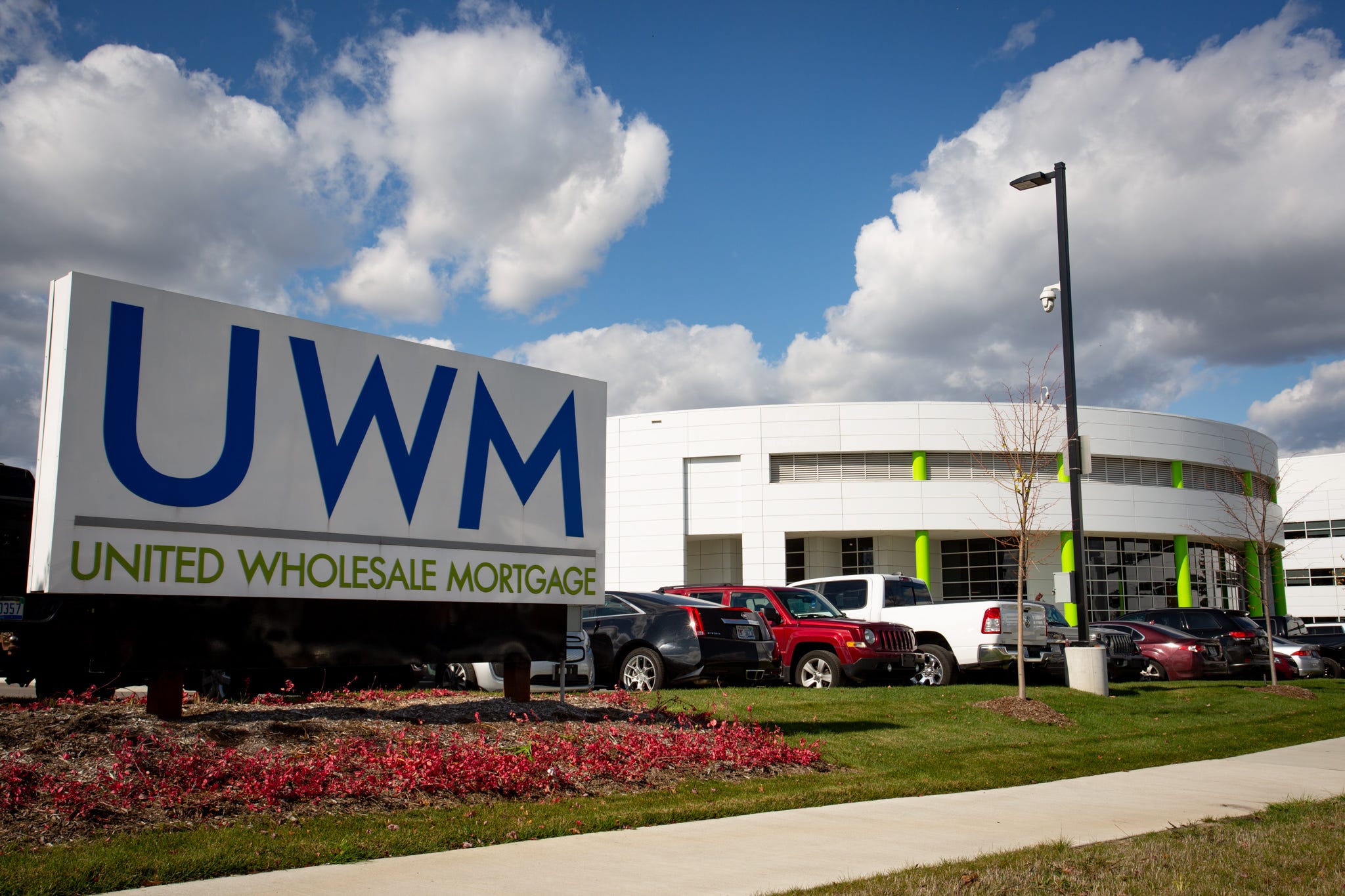
Pontiac-based United Wholesale Mortgage earlier this month reported suffering a $452 million net loss in the second quarter, the result of having lost $603 million on interest rate derivatives related to a once-planned acquisition deal that never went through.
Even though UWM has been consistently profitable, the surprise burst of red ink prompted the company to end its quarterly shareholder dividend in order to preserve cash and pay down its debt load. It was the first time the company suspended the 10-cents-a-share
dividend since going public in 2021.
The loss also led UWM to seek a financial backstop from a Los Angeles-based financial firm that is known for investing in distressed companies, Oaktree Capital Management.
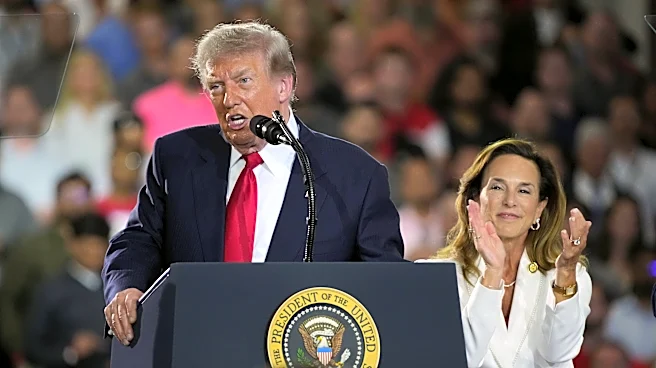
Under the terms of that arrangement, Ishbia — who is UWM's majority shareholder with 79% — had to relinquish some of his dominant control over the company and give two board of directors seats to Oaktree Capital. And Oaktree could potentially gain greater control of UWM in the future if the company's finances deteriorate.
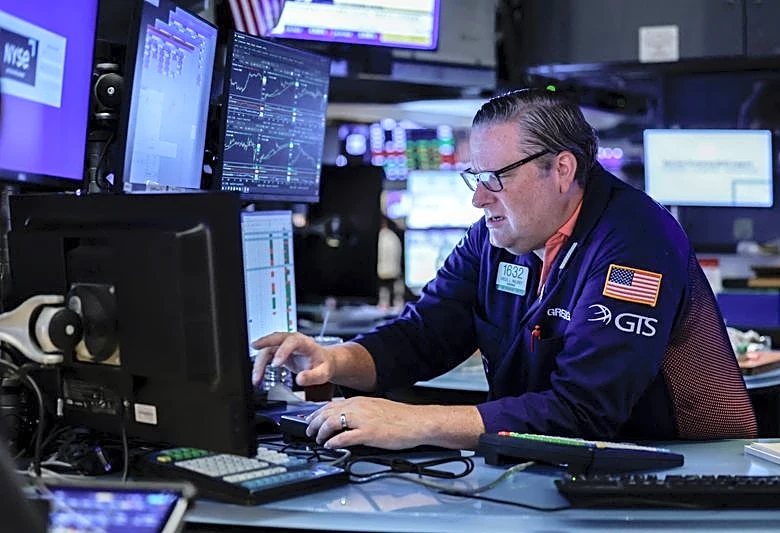
UWM's stock price plummeted nearly 40% to $1.20 in the wake of the big loss and news it needed a financial lifeline, but has since partly bounced back. The quarterly loss, plus concerns about UWM's debt load, prompted one of the Wall Street bond rating agencies to downgrade the company a step further into below-investment-grade territory, also known as "junk."
UWM employs about 9,000 people at its Pontiac headquarters and has been the No. 1 mortgage lender in the country in recent years based on origination volume, ahead of No. 2 Detroit-based Rocket Mortgage.

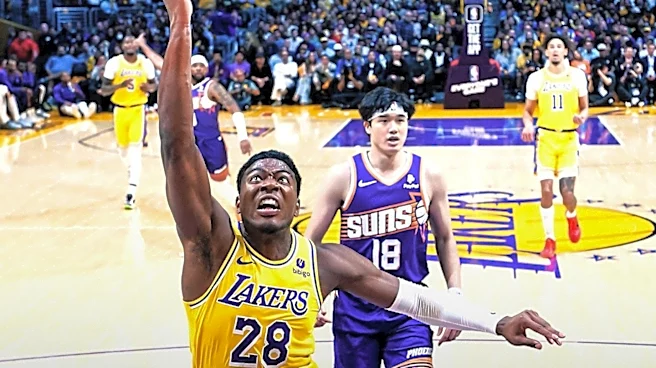
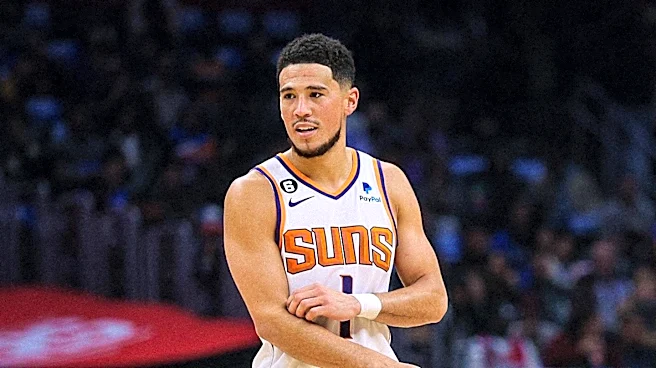
Ishbia also is the majority owner of the NBA's Phoenix Suns, and the recent headlines about his mortgage company's financial ails have been fodder for Ishbia critics on NBA fan forum sites and social media.
There has been some speculation online as to whether UWM's slumping stock price could affect Ishbia's ownership of the Suns, as loans he used in 2023 to buy the NBA team for $4 billion were reportedly tied to his UWM share holdings, and lenders in such situations might wish to see more collateral once shares lose value.
Loss explanation
During an Aug. 6 earnings call, Ishbia laid out to Wall Street analysts the reason for UWM's big derivatives loss. He attributed the loss to the company's attempt to "hedge" against the potential risk to its balance sheet of lower interest rates, as earlier this year UWM was trying to acquire a Minnesota-based company, Two Harbors, that has a large book of business in servicing mortgages.
The value of mortgage servicing books goes down when interest rates fall, as there is a greater likelihood that the borrowers will refinance their mortgages. Such value declines show up as losses in quarterly earnings reports.
(Mortgage servicers collect payments from borrowers and remit the money to the investors and owners of the mortgages. They traditionally get paid a small percentage of the monthly mortgage payments.)
So UWM took a derivatives position that was essentially a bet interest rates would fall, with the anticipated gains from that bet offsetting anticipated losses from inheriting Two Harbors' mortgage servicing business.
But the future didn't play out as Ishbia expected.
Interest rates in fact did not fall last spring. And UWM's stock-for-stock deal to acquire Two Harbors fell apart in late March when Two Harbors backed out and went on to merge with another company.
Two Harbors has said one reason it backed out was that the value of UWM's shares were already falling earlier this year, making the UWM deal less lucrative for it than its initial $1.3 billion value.
But even though the deal was off, UWM's interest rate hedge position was still on. So Ishbia's company found itself "overhedged" — and on course for the devastating $600 million-plus derivatives loss.

"We were overhedged, if you think of it that way, protecting against the Two Harbors transaction," Ishbia told the Wall Street analysts.
"The market moved against us and it's a one-time event that won't happen again," he continued. "We feel like our hedging policies are much stronger now, but also we're not acquiring another company that has a (mortgage servicing) book like that."
Lucrative dividend
UWM's quarterly dividend had been a major contributor to Ishbia's personal finances.
The company was paying out about $600 million a year through the dividend to shareholders, and Ishbia and other members of his family have been major shareholders. By some estimates, the Ishbias have gotten several billion in dividend payments from UWM over the years.
Some Wall Street rating agencies have pointed to UWM's "continued large dividend payments" in general as contributing to the company's higher-than-ideal debt level prior to the Oaktree Capital deal.
What's in Oaktree deal
The Oaktree Capital deal is a complex arrangement worth as much as $2.05 billion in equity for UWM. It started this month with a $1.65 billion investment in preferred shares of UWM, most of it by Oaktree, but also a $150 million portion by the Ishbia family.
There's an option for an additional $400 million investment in UWM later this fall by Oaktree and the Ishbia family via more share purchases known as a "rights offering."
Mat Ishbia has said that the Oaktree Capital deal gives UWM more than $3 billion in liquidity, up from the $1 billion it had before. That means a bigger cushion for the company when riding the ups and downs of the mortgage business.
"I'm the biggest shareholder and also big in on this deal as well," Ishbia said during this month's earnings call. "So we believe in the market, we believe in UWM and Oaktree is a great partner."
Credit downgrade
In the days after UWM announced the Oaktree deal and its big quarterly loss, bond rating agency Fitch Ratings downgraded UWM a notch on its ratings scale from BB- to B+, or going from what Fitch calls "speculative" to "highly speculative," albeit with a stable outlook. (The highest possible Fitch rating is AAA.)
In commentaryexplaining the downgrade, Fitch noted that on the positive side, UWM has been the nation's largest mortgage originator for years and holds a dominant 41% market share in the "wholesale channel" of the industry, which involves underwriting loans to mortgage brokers.
On the negative side, Fitch noted how the mortgage business remains highly cyclical and that unlike traditional banks that write mortgages, UWM is a "nonbank" lender that relies on shorter-term borrowing arrangements to fund its mortgages. It cannot create money by making loans, fall back on customer deposits when in a pinch or access the Federal Reserve's "discount window" in liquidity emergencies.
Still, Fitch concluded that it expects UWM's debt to decline over time and for the company to "maintain its market position with sufficient profitability."
Two Harbors lawsuit
During the week beginning Aug. 10, UWM sued Two Harbors, the company that backed out of the acquisition deal, in federal court, accusing it of fraud and breach of contract and of sabotaging the deal's shareholder solicitation process.
Two Harbors has called UWM's lawsuit baseless and frivolous. It also hit back at UWM in a news release, claiming that the company's big derivatives loss "highlights the dire condition of (UWM's) balance sheet, liquidity and also casts doubt on its risk management and other governance practices."
What's more, Two Harbors questioned Ishbia's public explanation for the $603 million derivatives loss and whether it was truly a botched effort to hedge against the negative effect of lower interest rates on Two Harbors' book of business that UWM was set to inherit had the acquisition gone through.
According to Two Harbors, not only had it already hedged its mortgage servicing book for interest rate changes, but the size of UWM's money-losing derivatives position was about 13 times the potential interest rate exposure of that servicing book under a scenario in which it wasn't hedged. (UWM presumably would have inherited Two Harbors' hedges had the deal gone through.)
A UWM spokesperson said that Two Harbors' claims regarding its business already being hedged are "a litigation-driven attempt to deflect from the allegations set forth in UWM's lawsuit against them."
UWM shares closed at $1.42 on Thursday, Aug. 20. A year earlier, the stock was trading at $5.59.
Contact JC Reindl: 313-378-5460 or jcreindl@freepress.com. Follow him on X @jcreindl
This article originally appeared on Detroit Free Press: Why Mat Ishbia's UWM needed a lifeline after a big surprise loss