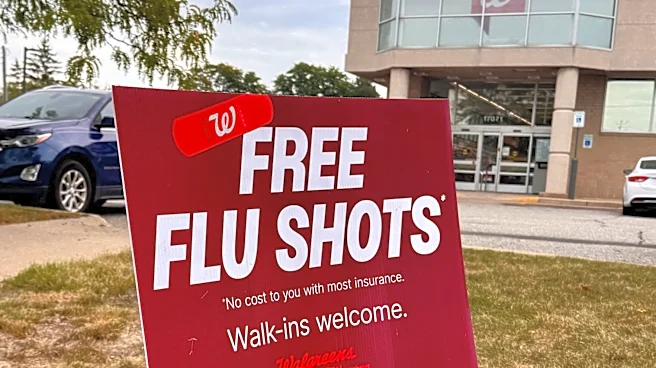







Most pharmacies in Michigan have received — or are soon to get — shipments of newly formulated vaccines for seasonal flu and COVID-19, and are advertising no-cost immunizations by appointment or on a walk-in basis.
But with federal vaccine recommendationsdiverging from guidelinesset by leading medical associations and some state and local health departments, there's ongoing confusion about who should get vaccines, when to get them, and which types are authorized for use in each age group.
"Patients need and deserve vaccine recommendations that are clear, credible and based on the best available scientific evidence so they can make informed vaccine decisions for themselves and for their families," said Dr. Sandra Adamson Fryhofer, the president-elect
of the American Medical Association.

To cut through some of the chaos and misinformation, Fryhofer said the AMA collaborated with the Vaccine Integrity Project through the University of Minnesota's Center for Infectious Disease Research and Policy.
She announced a new online hub, Spreadthefacts.org, that launched Sept. 2 to serve as a single source for the latest scientific information about flu and COVID-19 and respiratory syncytial virus (RSV) vaccines, their safety and efficacy, along with recommendations from leading U.S. medical associations and societies.
"We are doing this work because we have seen how confidence in vaccines has declined and the devastating effect it is having on our patients," Fryhofer said in a Sept. 1 news conference with leaders from the Vaccine Integrity Project, the American Academy of Family Physicians, the American Academy of Pediatrics, the Infectious Diseases Society of America and the American College of Obstetricians and Gynecologists.
"We're dangerously close to losing our measles elimination status, and hundreds of children died from flu in the last two flu seasons. We must restore trust in vaccines, and that begins with re-establishing an evidence-based process and approach."

Here's what you need to know about what the collaborative found in its independent, peer-reviewed assessment of the vaccines on the market this year, including details about:
- A new mRNA version of the seasonal flu shot called mFLUSIVA, which is authorized by the U.S. Food and Drug Administration for use in people ages 50 and older.
- A lower-dose mRNA COVID-19 vaccine calledmNexSpike, which is FDA-authorized for use in people ages 65 and older as well as those between the ages of 12 and 64 who have an underlying condition that puts them at risk for severe disease with COVID-19 infection.
What's in this year's flu vaccine?
The flu vaccines available now were overhauled for the 2026-27 season.
This year's flu shot is a trivalent vaccine, which means it targets three different kinds of the virus — two influenza A-type viruses that cover H1N1 and H3N2 strains as well as an influenza B/Victoria lineage-type virus, according to the U.S. Centers for Disease Control and Prevention.
Fryhofer explained the annual changes to the flu vaccine in this way: "Your computer constantly needs to be updated. Well, your immune system, your immunity, needs to be constantly updated, too.
"A lot of thought goes into what gets put in the vaccine each year," she said. "They try to look at what's circulating and try to predict what's going to be circulating, and sometimes it works better than others."
But even when the viruses chosen as targets for the vaccine are a mismatch with what's spreading in the community, the flu shot still offers protection, said Dr. Sarah C. Nosal, president of the American Academy of Family Physicians.
"Even in a year where there's not a great match, we see tremendous decreases in hospitalization and death," Nosal said. "Those are the outcomes we really want to be preventing. So, the really scary things that can happen when you don't receive the vaccine are prevented by receiving the vaccine, even in an imperfect year."
What does scientific data show about flu vaccines?
Influenza remains the leading cause of vaccine-preventable respiratory disease, said Nicole Basta, the Vaccine Integrity Project's scientific lead.
According to interim data from the CDC, at least 390,000 people were hospitalized with influenza during the 2025-26 flu season. The virus was associated with 24,000 deaths, she said.
However, among people who get an annual flu shot, the Vaccine Integrity Project's analysis of data showed:
- It reduced the risk of hospitalization from influenza by 31% in people ages 65 and older.
- When people were immunized during pregnancy, the benefits were passed along to their babies. The risk of symptomatic disease fell by 44% in newborns up to 6 months old.
- Among kids ages 6 months to 17 years, the flu shot reduced the risk of influenza death by 80%.

Who should get the flu shot?
With few exceptions, "everyone 6 months and older should get their flu shot," Nosal said. "Adults 65 years and older should get an enhanced flu vaccine, one that is high-dose, adjuvanted or recombinant [or the mRNA vaccine], when it's available. But do not delay your vaccination if that ... is not available.
"On average, flu vaccines reduce the risk of needing to go to the doctor by 30 to 60%."
The flu shot is safe during pregnancy, said Dr. Christina Davidson, chief medical officer of the American College of Obstetricians and Gynecologists.
"These vaccines not only protect mom's health and reduce the risk of adverse outcomes during pregnancy, they also protect the newborn in their first few months of life, when they are unable to be vaccinated," Davidson said.
When should I get a flu shot?
It takes about two weeks after immunization for the body to develop antibodies that can protect you from infection.
In addition, "protection wanes throughout the season," Nosal said. To provide for the best coverage for peak flu season, she suggested October is the best time to get vaccinated.
However, Fryhofer noted that the timing should shift forward for anyone who plans to travel internationally in September and for those who know they'll be attending parties or other crowded events in September and early October.
"If you have a big event, if you have to go to a wedding or if you're going on some fabulous trip ... think about getting that vaccine a couple of weeks before that event so you'll stay healthy and well," Fryhofer said.
Where can I get a flu vaccine?
Most pharmacies already have the updated standard seasonal flu vaccines in stock, as do some clinics and physician offices.
However, for the first time this year, mFLUSIVA, the mRNA version of the flu shot, is an option for people ages 50 and older — though it may be a little while before you can get a dose of t.
Moderna, the biotech company that makes it, said on a notice posted to its mFLUSIVA website that it must complete an FDA "standard release process" before it can distribute the vaccine. It suggests checking again "soon" on its availability.
"We expect mFLUSIVA to begin arriving at vaccination locations over the next several weeks," the website said as of Sept. 1.

The mRNA flu vaccine might be worth the wait. The Vaccine Integrity Project reported that mFlusiva is 27% more effective in preventing symptomatic disease than standard types of flu vaccines.
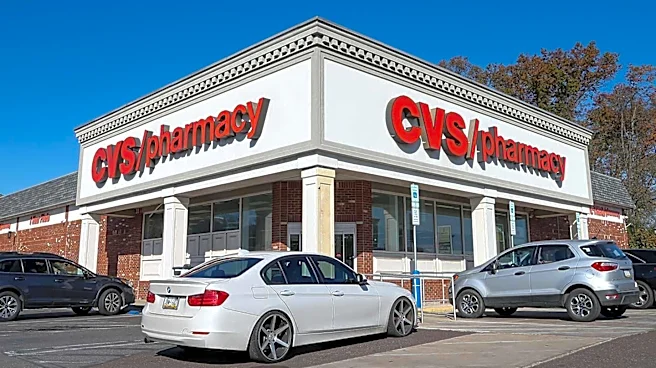
But at CVS Health, Amy Thibault, executive director of corporate communications, told the Detroit Free Press that it's unclear whether its pharmacies or MinuteClinics will carry mFLUSIVA this season.
"We’re evaluating Moderna’s new vaccine, as we do with all potential offerings, to ensure we continue to meet the needs of the communities we serve. We are not offering the mRNA flu vaccine currently," Thibault said in an email message.
What's new with COVID-19 vaccines this year?
The FDA gave the greenlight in late August to Moderna, Pfizer-BioNTech and Novavax-Sanofi to update their COVID-19 vaccines to target the XFG recombinant variant of the SARS-CoV-2 virus.
Nicknamed "Stratus," XFG emerged in 2025 when two subtypes of the Omicron variant recombined. XFG is believed to be the dominating type of coronavirus circulating in the U.S. — though its actual prevalence is unclear.
The CDC COVID-19 surveillance website says it was too difficult as of Sept 2. to accurately report which types of coronavirus are circulating because not enough genomic sequencing is being reported to the agency.
To reduce the risk of COVID-19, the following four vaccines were authorized by the FDA this season:
- Nuvaxovid: A protein-based vaccine made by Novavax and Sanofi, which can be used in people ages 65 and older as well as those between the ages of 12 and 64 with an underlying condition, such as asthma, cancer, diabetes or obesity, that puts them at higher risk for severe outcomes from COVID-19.
- Spikevax, an mRNA vaccine made by Moderna, which can be given to people ages 65 or older and to those who are between 6 months and 64 years old with at least one underlying condition that puts them at high risk for severe outcomes from COVID-19.
- Comirnaty, an mRNA COVID-19 vaccine made by Pfizer and BioNTech. It can be used in people ages 65 and older as well as anyone ranging from 5 years to 64 years old with at least one underlying condition that puts them at high risk for severe outcomes from COVID-19.
- mNexSpike, a lower-dose mRNA COVID-19 vaccine made by Moderna that can be used in people ages 65 and older as well as those between the ages of 12 and 64 who have an underlying condition that puts them at risk for severe disease with COVID-19 infection.
What does scientific data show about COVID-19 vaccines?
During the 2025-26 season, COVID-19 was associated with 3.6 million to 13.1 million illnesses in the U.S., the Vaccine Integrity Project's Basta said. As many as 140,00 to 250,000 people were hospitalized with the virus and at least 15,000 people died.
Among people who had been vaccinated, however, Basta said, the risk of hospitalization and death from COVID-19 was far lower. For example:
- For adults ages 65 and older, vaccination cut the risk of hospitalization by 53% in the 2025-26 respiratory virus season.
- For people with immune-compromising conditions, it cut the risk of needing care in a hospital intensive care unit by 32% to 53%, depending on the specific condition and other factors.
- During pregnancy, COVID-19 vaccination reduced the risk of emergency department or urgent care visits by 58% and lowered by 36% the chances that an infant would need hospital care in the first year of the child's life.
- Young children between the ages of 9 months and 4 years had a 76% reduction in visits to hospital pediatric emergency rooms if they were immunized for COVID-19.
Who should get the COVID-19 vaccine?
“Vaccines are one of medicine’s greatest success stories,'' said Nosal of the American Academy of Family Physicians (AAFP). "They prevent serious illness, reduce hospitalizations and long-term complications and save lives."
Although they differ from the federal government's guidelines on COVID-19 vaccines, the AAFP's recommendations are closely aligned with those set by other medical societies, including the American Academy of Pediatrics and the American College of Obstetricians and Gynecologists, the Infectious Diseases Society of America and the American Medical Association, "to ensure continuity for both patients and physicians," Nosal said.
Dr. Ronald Nahass, president of the Infectious Diseases Society of America, said all of the organizations are "speaking with one voice relative to the vaccinations and all acknowledging the challenges of the lack of trust and the lack of clarity.
"The medical community ... is uniform in our effort to bring clarity and to restore that trust."
They suggest:
- All adults 19 years of age and older should get an annual COVID-19 vaccine. It is especially important to get a COVID-19 vaccine if you are:
- 65 years and older;
- At an increased risk for severe COVID-19 infection; and
- Have never received a COVID-19 vaccine.
- All adults ages 65 years and older should get two doses of the updated COVID-19 vaccine. The first should be administered this fall. The second shot should follow six months later to maintain protection against the virus because immunity wanes over time.
- Infants and toddlers between the ages 6 months and 23 months should be vaccinated against COVID-19.
- Kids ages 2 years to 18 years old who are at risk for severe illness from COVID-19 infection should be vaccinated. The same is true for any children whose families choose to vaccinate against COVID-19.
- Anyone who is pregnant should get a COVID-19 vaccine during any trimester. Vaccination also is safe for women who are breast-feeding.
Davidson, of the American College of Obstetricians and Gynecologists, said: "If you are pregnant, considering pregnancy, or are a new or breast-feeding parent, please get your annual vaccine or your annual booster. All four of the available COVID vaccines are safe for you.
"Our recommendation for the COVID vaccine is based on more than five years of research and millions of administered doses. I want to emphasize that the evidence has found no increased risk of miscarriage, still birth, preterm birth, small for gestational age birth or birth defects.
"The risks from complications from COVID for pregnant people and their babies, however, is high. So, please get the vaccine."
When should I get a COVID-19 shot?
If you were recently infected with COVID-19, Nosal said research shows that waiting 4 to 6 months for a vaccine "allows our antibodies to update more effectively," though she noted that there is no harm in getting vaccinated sooner.
"If you were not recently sick, we recommend getting it now or this fall," Nosal said.
Where can I get a COVID-19 vaccine?
In late August, the FDA approved the new COVID-19 vaccines for fall. The updated doses are starting to arrive now in pharmacies, clinics and doctor's offices across the country.
Amy Thibault, executive director of corporate communications for CVS Health, said its pharmacies and MinuteClinic locations already have begun to receive deliveries of some of the 2026-27 COVID-19 vaccines.
All of the pharmacies in the CVS chain were expected to have doses available by the end of the day Wednesday, Sept. 2, Thibault told the Detroit Free Press, "and will be offering them to eligible patients in all states as permitted by law."
"Once the vaccine arrives, patients will be able to see which CVS Pharmacy and MinuteClinic location has which vaccine, as well as appointment availability, on the CVS Health app and CVS.com and can schedule an appointment in advance," she said.
The company will offer NUVAXOVID, the protein-based COVID-19 vaccine manufactured by Novavax-Sanofi, but it’s not expected to arrive until later in September, Thibault said.
Walgreens posted to its website that "the updated COVID-19 vaccine will be available in our stores shortly. Check back soon for updates!"

Who is at risk for RSV and vaccine protection?
Highly transmissible, RSV typically causes cold-like symptoms. But when it infects older adults and infants, it can cause pneumonia and bronchiolitis and can be dangerous.
During the 2025-26 season, RSV is estimated to have caused 170,000 to 340,000 hospitalizations and as many as 25,000 deaths, Basta said.
Among those who were vaccinated:
- There was a reduction in hospitalizations among adults 60 and older, with vaccine effectiveness ranging from 69% to 83%, according to multiple studies within the same season.
- During pregnancy, vaccination reduced the risk of RSV by 82% and lowered the chance that babies born to vaccinated mothers would be hospitalized with RSV.
Additionally, infants given the monoclonal antibody nirsevimab had a 63% to 93% lower risk of hospitalization within 6 to 12 months.
Who should get an RSV vaccine?
The RSV vaccine can provide protection, but it's not a shot that people should take annually, like COVID-19 vaccines and flu shots.
"This is not an annual vaccine," Nosal said. "If you got one before, you do not need a new one this year."
It is, however, recommended one time for specific populations:
- People with immune-compromising conditions that put them at high risk for severe disease from RSV.
- Everyone ages 75 and older.
- Adults ages 50 and older who are at increased risk for severe illness.
- Pregnant women are urged to gt the Abrysvo RSV vaccine timed between the 32nd and 36th weeks of pregnancy if it falls between September and March as long as delivery isn't planned in the following two weeks and they have not been vaccinated already in a prior pregnancy
- All infants 8 months of age and younger born during or entering their first RSV season whose mothers did not receive the RVS vaccine during pregnancy should get immunized. The same is true for infants whose mother's immunization status is unknown.
- Infants and toddlers between 8 months and 19 months old who are at high risk of severe RSV disease and are entering their second RSV season, regardless of the RSV vaccination status of the pregnant parent or the whether the child previously received RSV monoclonal antibodies.
Additionally, Dr. Andrew Racine, president of the American Academy of Pediatrics, said all infants under 8 months old without maternal protection from RSV — who either are in their first RSV season or entering their first RSV season — should receive nirsevimab or clesrovimab monoclonal antibodies to protect them.
Where can I get an RSV vaccine?
They are available now at most pharmacies, at many physician offices and clinics.
Contact Kristen Shamus: kshamus@freepress.com. Subscribe to the Free Press.
This article originally appeared on Detroit Free Press: Your guide to fall vaccines. What's new with flu, COVID-19 and RSV