




Borrowers are likely to see the Federal Reserve raise interest rates once again in early December, according to economists.
The Fed's first interest rate hike in more than three years took place on Sept. 16 when the Federal Reserve raised short term interest rates by a quarter of a percentage point. The vote was unanimous. The short term federal funds rate now sits at a target range of 3.75% to 4%.
For consumers, the hike in short term rates meant that interest rates on most credit cards, home equity lines of credit and adjustable rate mortgages went up soon after the September rate hike.
Will rates go up again in October?
Not likely, economists say, even though shortly after the September rate hike, markets had anticipated a second hike at the next
meeting of the Federal Open Market Committee on Oct. 27 and Oct. 28.
Increasingly, though, analysts have said that the Fed's monetary policy committee appears unlikely to make a move before the contentious Nov. 3 election.
Mark Zandi, chief economist at Moody's Analytics, told the Detroit Free Press that Fed officials have signaled they don’t plan to hike rates in October, as the Fed is still assessing the impact of the September rate hike on the economy.

Zandi, like many other economists, is forecasting that the Fed will raise short-term interest rates one more time after its scheduled meeting on Dec. 8 and Dec. 9.
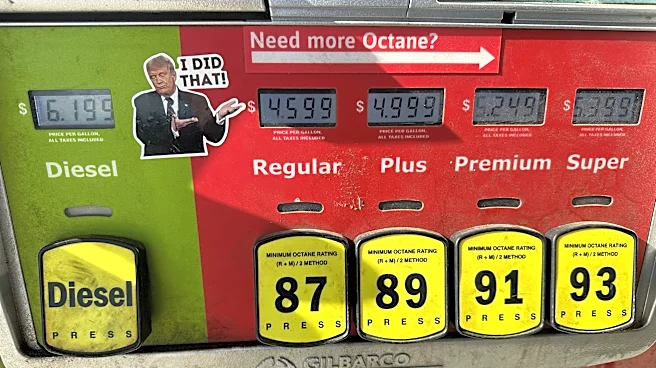
"With the Iran war escalating and oil prices rising, inflation will likely remain elevated," Zandi said. If so, the Fed will likely need to move to raise rates again in December to cool down inflation.
"But I’m hopeful that oil prices and inflation will recede early next year, forestalling the need for further rate hikes," Zandi said.
He noted that the job market is fragile, with little hiring and decelerating wage growth. "Wage growth is now below the rate of inflation, cutting into households’ purchasing power," Zandi said.
Substantial uncertainty remains around the outlook, Zandi cautioned.
We're dealing with too many unknowns — how the Iran war will evolve, how long oil prices will stay high and the ultimate impact on inflation ahead.
"That makes the Fed’s policy path unusually uncertain," Zandi said.
Federal Reserve Gov. Michael S. Barr told the Detroit Economic Club on Sept. 29 that "further policy adjustments are likely needed" to bring down inflation. But he did not give a clue as to the path the Fed was likely to take when it came to raising interest rates.
Diane Swonk, KPMG chief economist, said she, too, believes the Fed would hold steady at its late October meeting. But she currently expects a rate hike to be announced on Dec. 9.
"October looks like a skip; December remains live," Swonk wrote in a report released Oct. 22.
She said the data going into December is likely to show hotter inflation, as the higher diesel costs paid by trucking firms contribute to even higher prices for consumers.
Swonk noted that inflation remains an issue, but rate hikes at every meeting aren't likely on the table, Instead, she said, the Fed is viewing patience as a form of "risk management rather than a retreat from the inflation fight."
The Fed, she said, wants to curb inflation without triggering problems in markets faced with higher borrowing costs and elevated long-term yields.
Initiating a quarter-point hike followed by a pause gives Fed policymakers more room to test for any hidden fragilities in the economy, she said.
"The Fed is moving with caution as opposed to the conviction we saw in 2022," Swonk wrote. "It does not want to risk a more consequential slowdown to derail a persistent but more subdued bout of inflation than we saw back then."
Contact personal finance columnist Susan Tompor: stompor@freepress.com. Follow her on X @tompor.
This article originally appeared on Detroit Free Press: Fed rate hikes: What borrowers should expect for the rest of 2026