

It may have been coach speak. But it was a surprising comment, nonetheless.
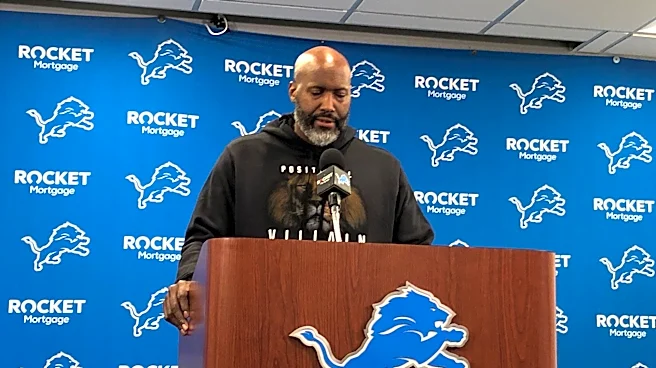
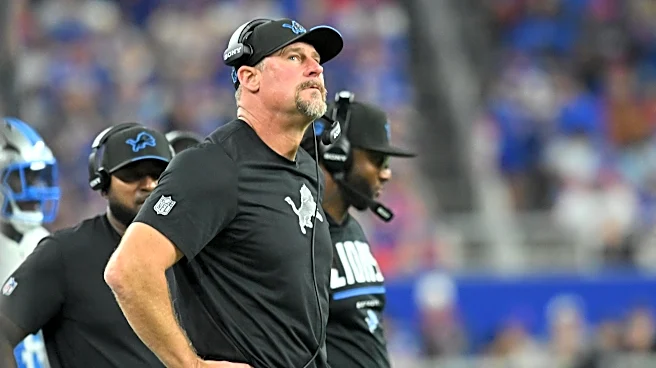
“To be honest, I haven’t even thought much of it because those conversations from my standpoint … that’s for losers,” Kelvin Sheppard said Thursday, Sept. 24.
The Detroit Lions defensive coordinator had just been asked how the nagging uncertainty surrounding the status of Kerby Joseph
has weighed on his defense for almost a year.“What, am I gonna here and keep saying, ‘I don’t have Kerby.' ... I never thought that,” he said.

Nobody would blame him if he had though. Joseph’s absence has not only negatively impacted the trajectory of Sheppard’s two-season tenure as DC but also damaged the perception
of the organization’s leadership through the prism of a frustrated fanbase that wants some clarity on the former All-Pro safety’s situation.
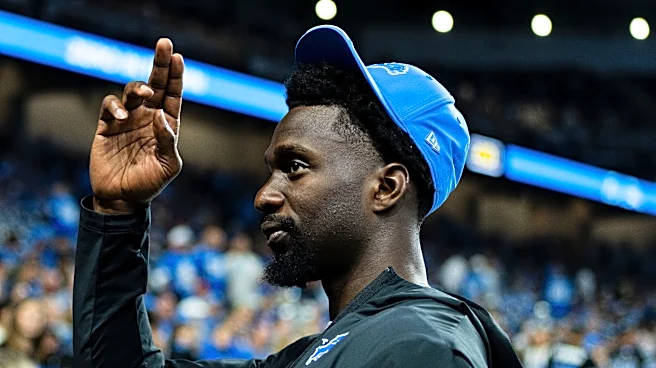
Yet Lions coach Dan Campbell has been vexingly vague when he has been periodically solicited for an update on Joseph, who has been sidelined since Oct. 12, 2025, because of a chronic, cartilage-related issue in his left knee.
“We're not going to put him out there until he's ready,” Campbell said Monday.
Campbell told reporters that Joseph has been working behind the scenes to fortify the injured joint with the goal of making it “as strong as we possibly can get it” so “he feels comfortable.” But less than 24 hours later, Campbell offered a cryptic response when a radio host asked him what would have to change for Joseph to get back on the field.
“I guess nothing,” he said on WXYT-FM (97.1).
And so it goes.
In the meantime, the Lions are forging ahead with a weakened secondary that sorely misses the playmaking ability of a defender who was rewarded with a four-year, $86 million contract extension just months after leading the NFL with nine interceptions in 2024.
Cornerback D.J. Reed called Joseph a “game changer.”
“He just has a great knack for the ball, very high IQ,” Reed told the Free Press. “He goes and gets picks that he’s not even supposed to get sometimes just because he understands where the quarterback is going with the ball, which I feel like is a very unique and rare trait. … He’s not out there, so we have to do it.”
By and large, they haven’t.
Since Joseph last played, the Lions are 6-7 and rank among the NFL's bottom 10 in takeaways. They also have surrendered the eighth-highest passing-yard average over that period. The problems on the back end can’t be solely attributed to the void left by Joseph. Fellow star safety Brian Branch is missing too, as he continues his recovery from a ruptured right Achilles tendon suffered last December.
But whereas Branch is expected to return at some point this season, the future of Joseph is far more ambiguous because of the degenerative nature of his knee condition. He is currently on the physically unable to perform listand hasn’t participated in practice since his attempt to return to action was quickly nixed last December. Given that his outlook has remained cloudy over the past 11 months, some wondered why general manager Brad Holmes didn’t seek better reinforcements at Joseph’s position this offseason.
Holmes instead opted to make a series of cost-effective moves, adding Chuck Clark and Christian Izien in March before re-signing Avonte Maddoxthe following month. As soon as they each inked one-year deals, they were viewed as stopgaps with limited upside in production. But would the Lions have been better served seeking a long-term solution given Joseph’s murky return timeline?
A growing legion of Holmes critics believe they should have, accusing the former two-time NFL executive of the year of not doing enough to stabilize one of its most vulnerable sectors. Through the first two weeks, Detroit has allowed 310.5 passing yards – the second-highest average in the NFL. Depth at safety, meanwhile, has thinned after Maddox incurred a season-ending foot injury in last week's 41-31 loss to Buffalo.

In turn, Sheppard has been forced to make do with the diminished stock of personnel on the back end.
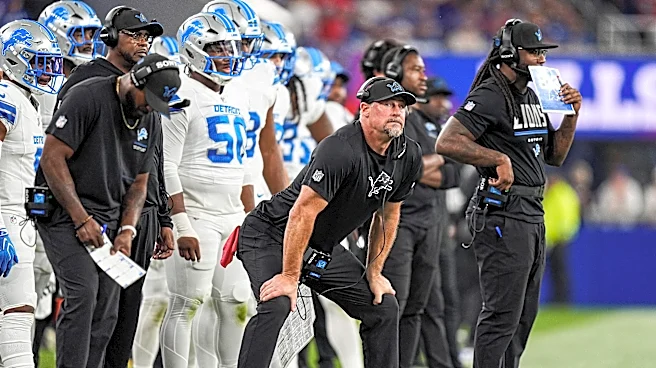
“Obviously, you would love to have All-Pro-caliber players, but again, I can't control that,” Sheppard said. “All I can control is what I am given to work with and that is my job. And we feel like we have the resources needed to operate and function in the system that we want to run here.”
Sheppard refuses to make excuses.
So do the men who carry out his calls.
They insist they are not bemoaning their fate or imagining how much better things would be if Joseph was there beside them.
“He’s a great guy, great football player,” Reed said. “But like for me, it’s not on my mind.”
Linebacker Trevor Nowaske agreed.
“You don’t really have time to think about that stuff,” he said.
Even though it is the elephant in the (locker) room, it seems the Lions would prefer not to contemplate the significance of Joseph’s absence.
But for almost a year it has cast a pall over Sheppard’s defense and the rest of the organization, negatively affecting its performance on the field and how its principal figures are perceived beyond it.
That is the harsh reality, whether Sheppard wants to confront it or not.
Contact Rainer Sabin at rsabin@freepress.com. Follow him @RainerSabin on X.
This article originally appeared on Detroit Free Press: Why Kerby Joseph's absence has had a damaging effect beyond Lions defense