

Since taking over the Detroit Pistons two years ago, president of basketball operations Trajan Langdon has been deliberate in his approach to rebuilding. The team’s explosive improvement in that span – more than quadrupling its win total, from 14 in 2023-24 to 60 this past season – has come despite a relative lack of fireworks in free agency and the trade market.
At this time last year, few, if any, were predicting the Pistons would earn the Eastern Conference's No. 1 seed and fall a victory short of making the East finals so soon after the worst season in franchise history. But so they did. And yet, May's loss to the Cleveland Cavaliers in the second round of the NBA playoffs exposed their shortcomings, particularly on offense.
There was an understanding
that the team, to some extent, would need to change this summer in order to evolve.
“We all want to get better,” Langdon said in June. “I can’t stand here and say we don’t want to get better, so getting better means you’ve gotta win the second round to get better. It doesn’t necessarily mean we need to win 64 games, I don’t think we’re trying to do that, though if we do that would be fantastic. But I think we know that we need to be more equipped to compete in the postseason and that’s what we’re looking at doing.
“Like I already said, it’s adding pieces that help accentuate our three best players, our core three players, and I think that will help us in the regular season and post season as well. That all goes into the belief we feel like we can be better.”
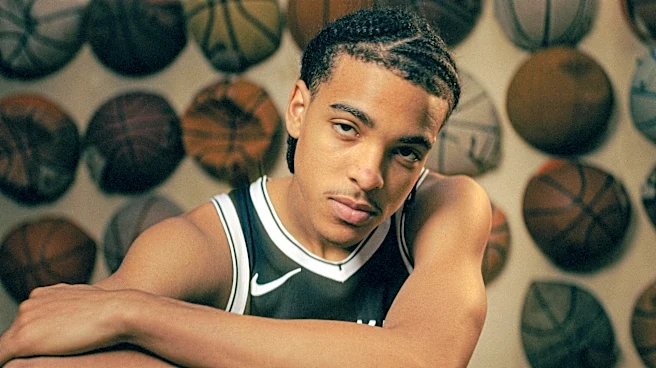
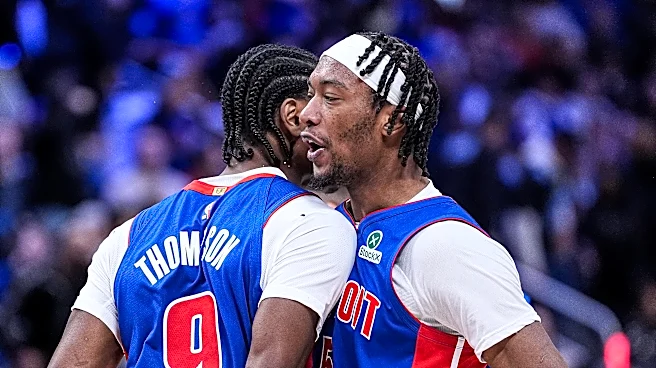
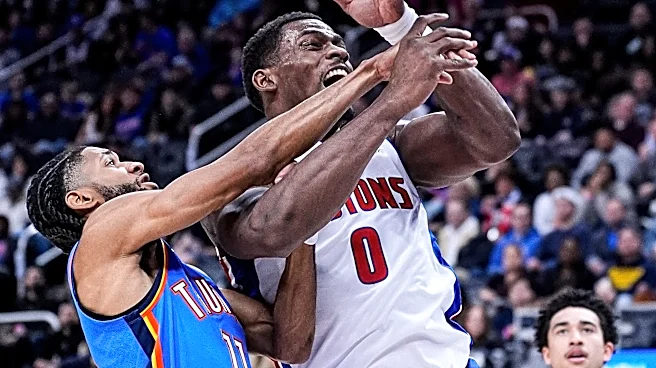
Roughly five weeks from training camp, the Pistons’ transaction list this summer reveals two priorities. They’ve added more shooting, addressing last year’s biggest weakness. And they’ve continued rounding out their depth with players on affordable contracts, which will not only help them sustain the rigors of an 82-game season but aid them if they do eventually decide to trade for a big name and turn their “core three” – Cade Cunningham, Jalen Duren and Ausar Thompson – to a quartet.
The front office hunted for splashy upgrades, but weren’t willing to meet the asking price to acquire players such as Kevin Durant or Kawhi Leonard. In an offseason marked by a drift of superstars from West to East, the Pistons are once again leaning on internal development.
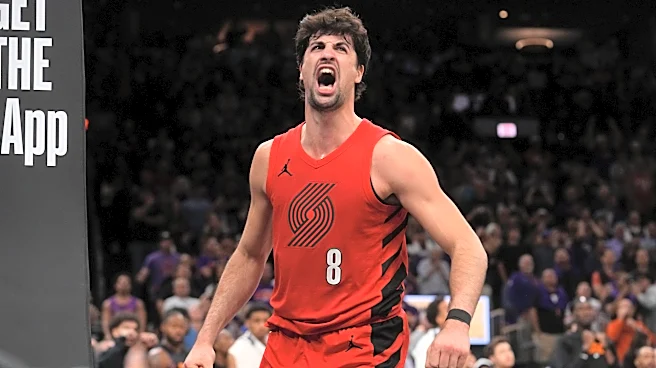
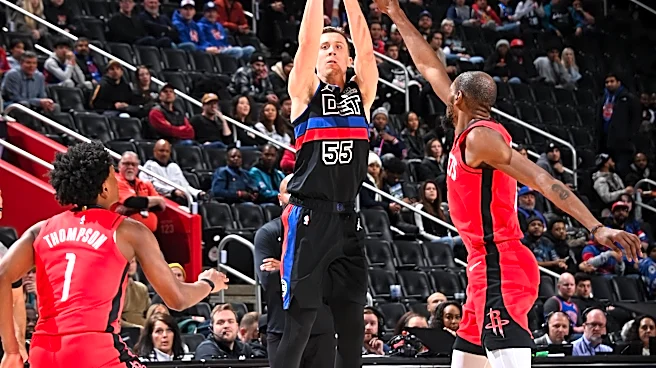
This hasn’t been a conservative summer, though. Tobias Harris and Isaiah Stewart are significant departures, but the team made two meaningful additions in John Collins and Isaiah Joe, who both knocked down more than 40% of their 3-point attempts last season. They are big upgrades to an offense that was overly reliant on Duncan Robinson’s outside shooting.

According to Cleaning The Glass, the Pistons’ offense averaged 10.2 more points per 100 possessions with Robinson on the floor – the highest individual improvement on the team and a 98th percentile mark across the entire league. (Cunningham, at plus-7.3, and Duren, at plus-6.2, were second and third among Pistons.)
Joe is a career 40.6% outside shooter, while Collins has steadily improved and hit around 40% of his 3-pointers over the past two seasons. Veteran wings Taurean Prince and Gary Harris, acquired from the Milwaukee Bucks in July, also shot north of 40% last season.
The coaching staff should have the option of having at least one Robinson-level shooter on the floor for all 48 minutes, which would fundamentally alter an offense that couldn’t keep up with the league’s top units. They ranked 29th in 3-point attempts per game (31.3) and tied for 20th in 3-point percentage (35.7%).
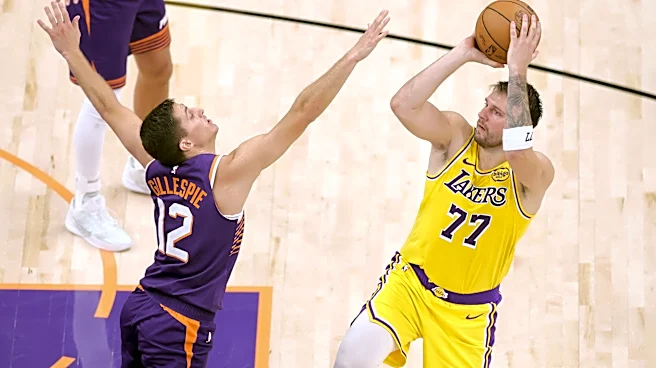
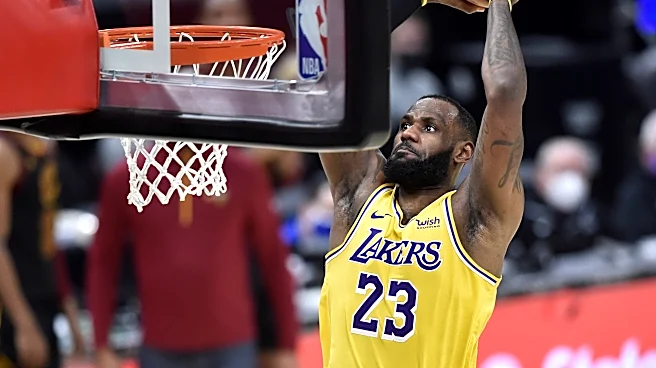
It should diversify an offense that, despite its struggles beyond the arc, still ranked 10th in the league with an offensive rating of 118.3 – sandwiched between Los Angeles' Lakers and Clippers – thanks to its dominance in transition and in the paint. If the Pistons can improve offensively while sustaining a top-five defense, it’ll help to insulate them in a conference that has become more star-laden with Leonard’s (still-pending) trade to the Toronto Raptors and LeBron James’ arrival in Philadelphia.
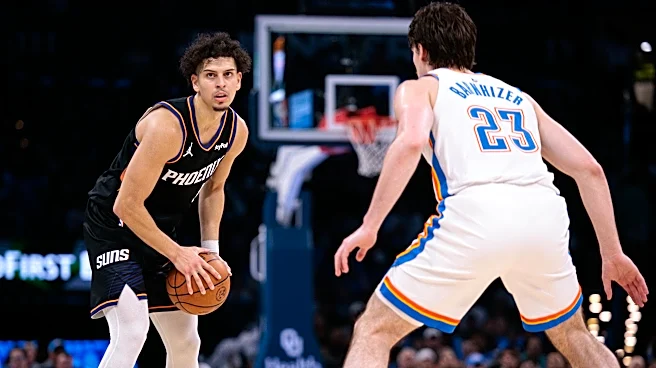
The Pistons added shooting while preserving their asset chest, including all of their future first-round picks, and maintaining a clean salary sheet. Collins was brought in from the Clippers with a sign-and-trade that inked him to a three-year deal worth $51 million, with the final two seasons non-guaranteed. Joe arrives from Oklahoma City midway through a four-year, $48 million contract, with the final season (2027-28) being a team option. Prince and Harris are on expiring veteran minimum deals.
There’s still unsettled business, of course – most notably, Duren’s ongoing restricted free agency. The team also intends to sign Thompson to an extension, with the goal of securing the long-term futures of their three core players heading into the season.
Financial flexibility, of course, doesn’t win games. But it matters, particularly under a collective bargaining agreement with a second tax apron with movement restrictions that function as an unofficial hard cap, forcing contending teams – such as the Boston Celtics – to break up expensive rosters. Thus far, the Pistons have had the luxury of winning games with a roster filled with rookie contracts. It only will get pricier as players mature.
The first half of the regular season, which tips off Oct. 20, will reveal if the front office played things too safely this summer, or if there’s still untapped potential in a roster that has exceeded expectations two years in a row.
[ MUST WATCH: Make "The Pistons Pulse" your go-to Pistons podcast, listen available anywhere you listen to podcasts (Apple, Spotify) or watch live on YouTube. ]
Contact Omari Sankofa II at osankofa@freepress.com. Follow him on X and/or Bluesky.
This article originally appeared on Detroit Free Press: Did Detroit Pistons do enough to thrive in improved Eastern Conference?