







Greene County residents are being urged to prepare for respiratory illness season as influenza, COVID-19, RSV and pertussis continue to circulate in the community.
The flu season began Oct. 4, according to a community announcement from the Springfield-Greene County Health Department. Health officials said in the announcement that vaccination remains the strongest defense against influenza and can help reduce the severity of illness and the risk of hospitalization.
The department recommends flu shots for everyone age 6 months or older, with particular emphasis on young children, older adults, pregnant women and people with chronic health conditions who face a higher risk of complications.
Officials encouraged residents to receive a flu vaccine before
respiratory illnesses typically peak during the winter months. The body generally needs about two weeks after vaccination to build antibodies against influenza. Vaccines are available through physicians' offices, pharmacies and clinics across Greene County.
Other respiratory illnesses
Health officials also reported ongoing activity from several other respiratory diseases.
COVID-19 and RSV commonly circulate during the fall and winter. Vaccine recommendations for eligible groups are available through the American Medical Association at ama-assn.org.
Pertussis, commonly known as whooping cough, can cause a severe cough that lasts for an extended period and poses a particular threat to infants. Health officials said in the announcement that DTaP and Tdap vaccinations are the most effective preventive measures, especially for adults who spend time around babies.
Steps to help prevent illness
The Health Department said in the announcement that respiratory viruses spread through coughing, sneezing and close contact. Residents can help reduce the spread of illness by:
- Washing their hands regularly.
- Covering coughs and sneezes.
- Staying home when sick.
- Seeking testing and treatment when recommended by a health care provider.
What to do if symptoms develop
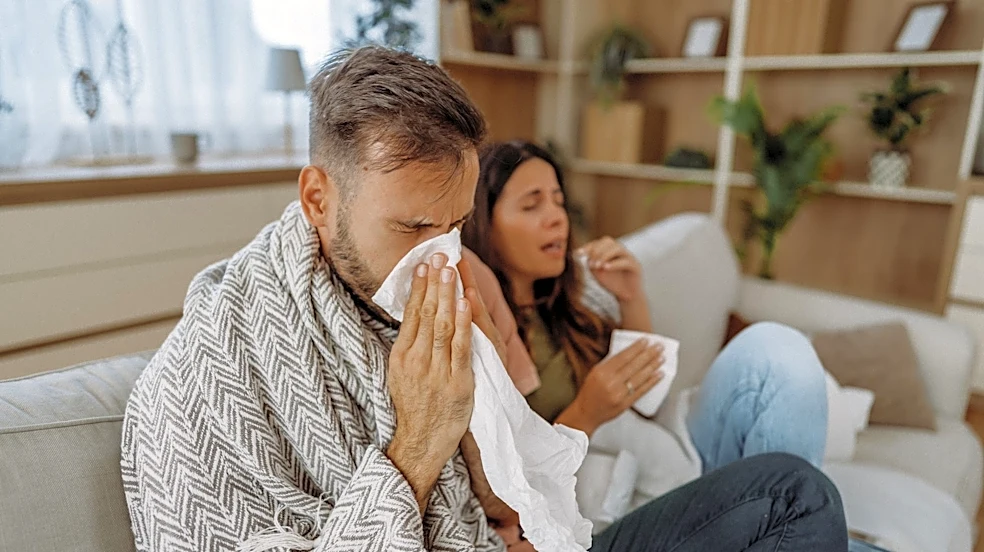
People experiencing symptoms such as fever, cough, sore throat, runny nose, muscle aches or extreme fatigue should stay home and contact a health care provider.
The Centers for Disease Control and Prevention recommends that individuals remain home until at least 24 hours after a fever ends without the use of fever-reducing medication. Additional guidance is available at cdc.gov.
This story was produced with the assistance of Artificial Intelligence (AI). Journalists were involved in every step of the review, editing and publishing process. Learn more at cm.usatoday.com/ethical-conduct.
This article originally appeared on Springfield News-Leader: Flu shots encouraged as respiratory viruses return for fall