
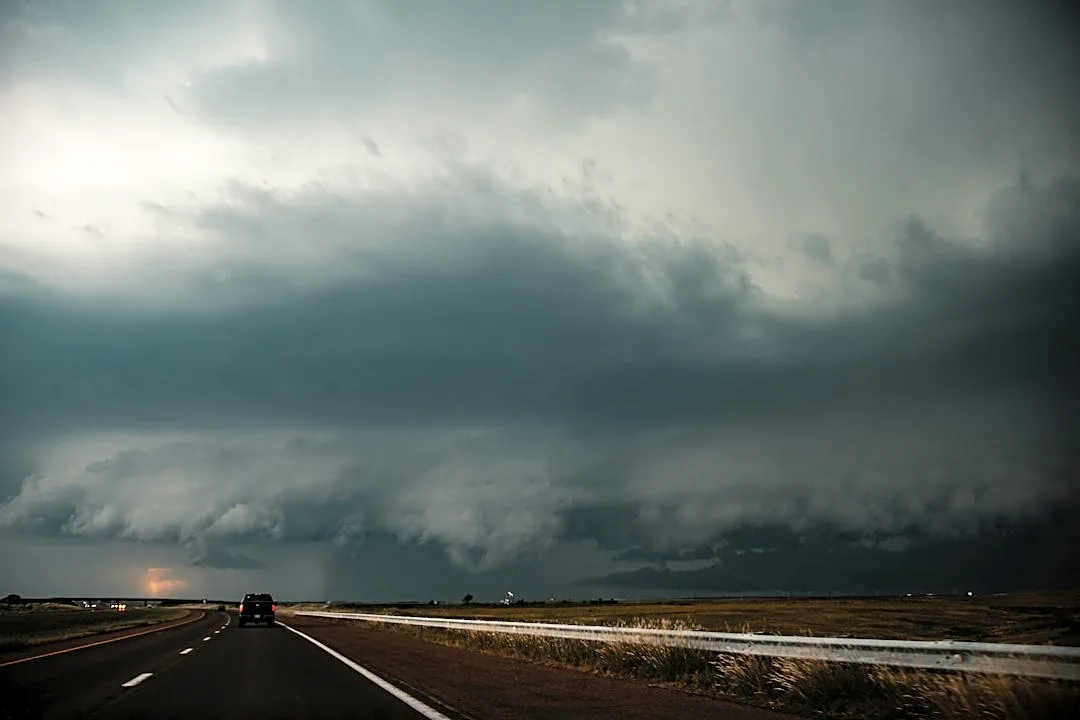



Missouri recorded its warmest September on record, with statewide temperatures shattering previous marks and drought conditions expanding across large portions of the state.
The month averaged 77 degrees Fahrenheit statewide, 8.4 degrees above normal, according to a community announcement from University of Missouri Extension state climatologist Zachary Leasor. Data from the National Oceanic and Atmospheric Administration show the previous September record of 74.8 degrees, set in 1931, was exceeded by 2.2 degrees.
The unusual heat was most pronounced in southwestern and south-central Missouri, where some locations experienced temperatures more typical of midsummer than early fall.
Springfield recorded an average September temperature of 80.7 degrees,
exceeding its average July temperature of 80.2 degrees.
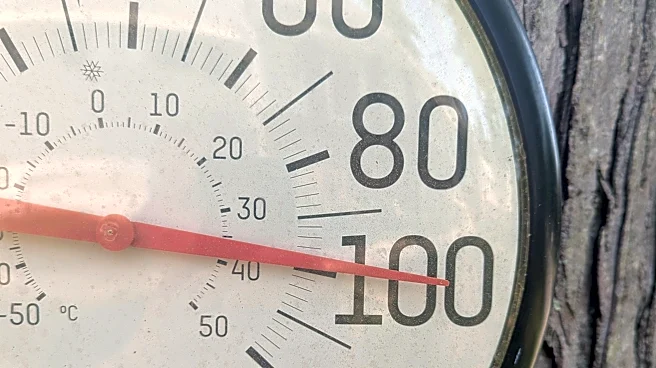
The highest temperature reported in Missouri this year was 106 degrees, reached in both Marshfield and Licking on Sept. 6.
Long stretches of extreme heat also affected parts of the state. Marshfield recorded temperatures of at least 100 degrees from Sept. 1 through Sept. 9. Joplin experienced eight consecutive days of triple-digit temperatures from Sept. 2-9, while Billings had seven such days from Sept. 1-7. West Plains recorded four consecutive days at or above 100 degrees from Sept. 3-6.
Rainfall varied widely across Missouri
While parts of northern Missouri received average to above-average rainfall, much of southern Missouri remained significantly drier than normal.
Pattonsburg in Daviess County reported the state's highest monthly rainfall total at 11.4 inches.
"Southern Missouri unfortunately missed out on the rain, with many locations in southwest and south-central Missouri receiving less than 1 inch of rainfall," Leasor said in the announcement. "The city of Tecumseh in Ozark County received no rainfall during the month of September."
Statewide precipitation averaged 2.82 inches, which was 1.11 inches below normal and marked Missouri's third consecutive month with below-average rainfall.
The combination of persistent heat and limited rainfall contributed to worsening drought conditions. According to the U.S. Drought Monitor, 44% of Missouri was classified in at least moderate drought by the end of September, with 15.27% of the state experiencing extreme drought, according to the announcement.
Drought affected crops, livestock and water supplies
Drought impacts were concentrated in southwestern and south-central Missouri, where low soil moisture stressed late-planted soybean crops and dried pastures.
According to the announcement, MU Extension livestock specialists reported producers were relying on supplemental feed and dealing with low pond levels and reduced farm water supplies.
Many streams and creeks also were running below normal levels. The dry conditions increased wildfire concerns, and numerous burn bans were in place by the beginning of October.
Forecasters see the potential for improvement in coming months as El Niño conditions develop in the Pacific Ocean.
"The long-term forecast with El Niño conditions in the Pacific Ocean favors a wetter pattern for Missouri," Leasor said in the announcement. "Late fall and winter rainfall will be critical for drought recovery."
This story was produced with the assistance of Artificial Intelligence (AI). Journalists were involved in every step of the review, editing and publishing process. Learn more at cm.usatoday.com/ethical-conduct.
This article originally appeared on Springfield News-Leader: Missouri just had its hottest September ever recorded