
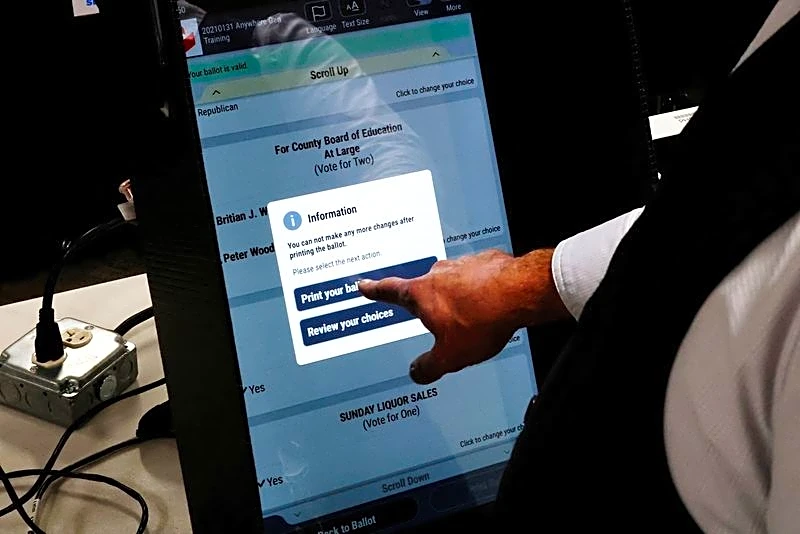

In the race to represent U.S. House District 7, which covers southwest Missouri, candidates' accessibility to constituents has taken center stage. Incumbent Rep. Eric Burlison, who is running for his third term, is challenged by Democrat Missi Hesketh and Libertarian Kevin Craig on the Nov. 3 ballot.
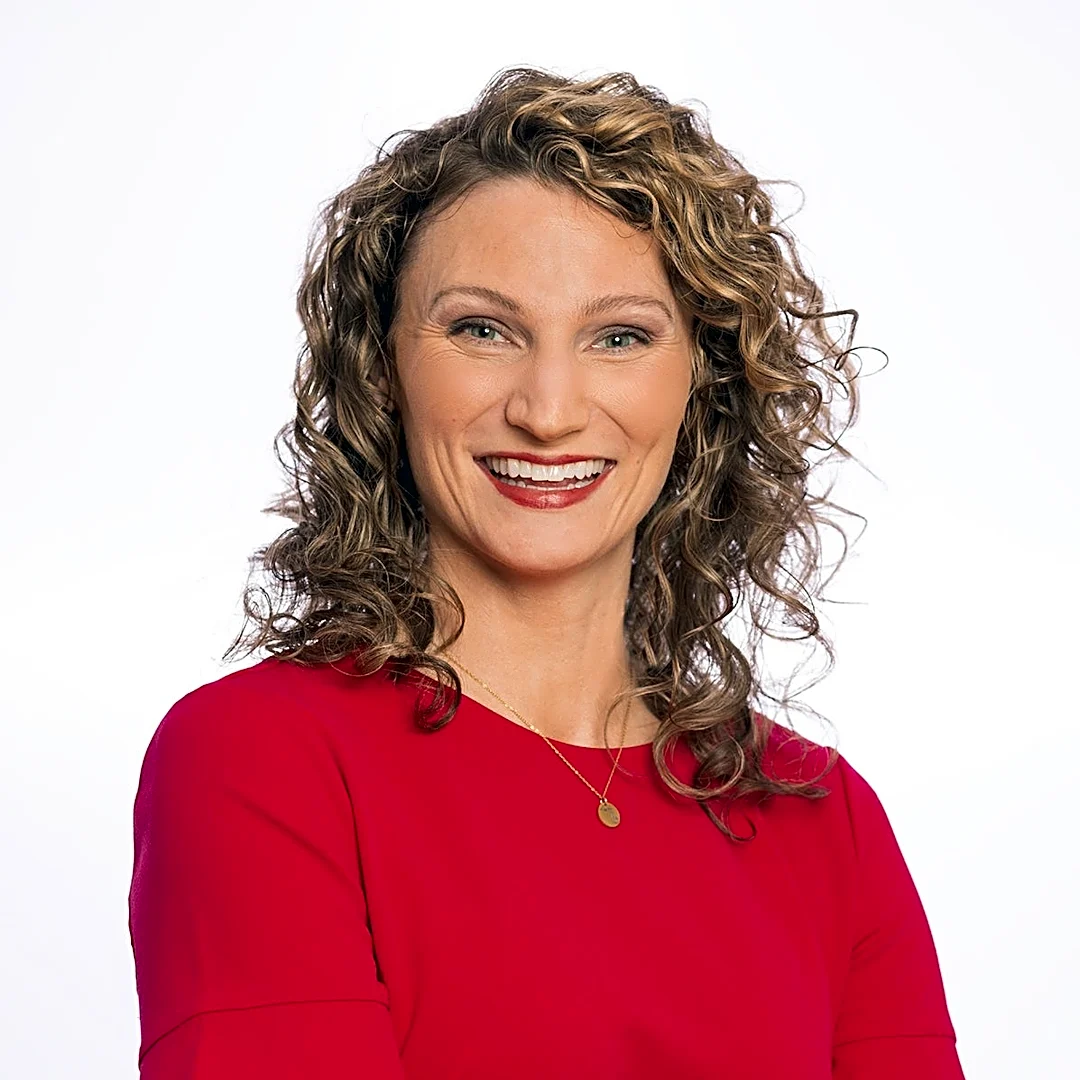
Burlison, a sixth-generation Missourian, has two decades of private sector experience as an investment adviser and software consultant. He was first elected to the Missouri House in 2008 and served until 2016. In 2018, he was elected to the Missouri Senate, representing Christian County and part of Greene County.
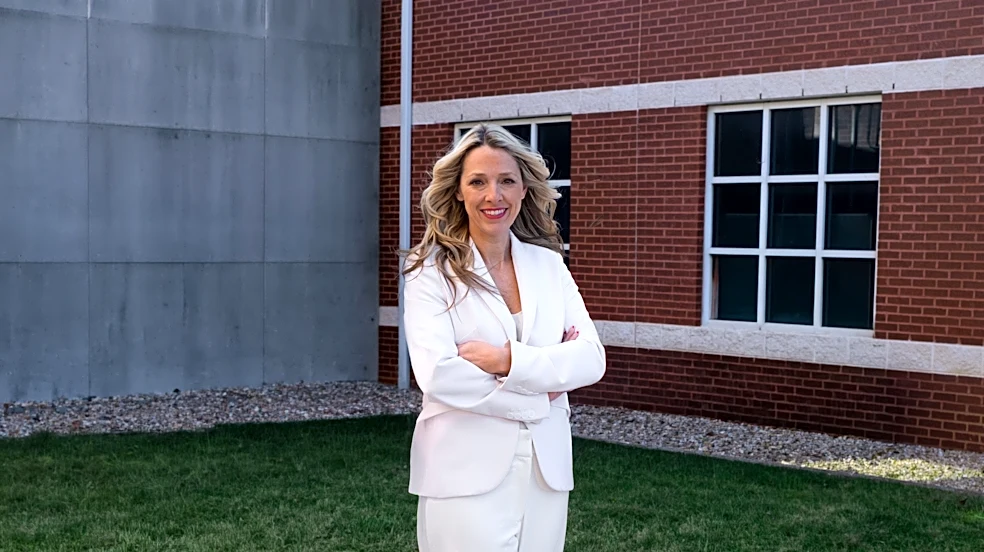
Hesketh has been a teacher for more than 20 years and currently teaches gifted education in the Ozark school district. She formerly served
on Forsyth's city council and as mayor until 2025. She ran against Burlison unsuccessfully in 2024.
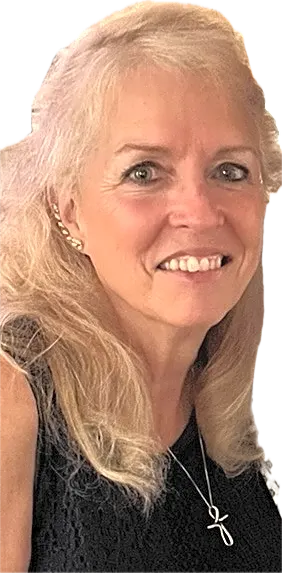
Craig, a California native, has repeatedly run for elected office. He refers to himself as a Christian Anarchist who is campaigning for "Liberty Under God." He has an undergraduate degree from the University of Southern California. Craig seeks to abolish agencies and bureaucracies he finds unconstitutional, such as the U.S. Department of Education, believes government should be limited and seeks to return to the roots of morality and Christianity, rejecting violence as a necessity.
Where candidates' priorities lie
During his time in office, Burlison highlighted his work to change work requirements for those receiving food stamps, eliminating an additional tax on firearm suppressors and short-barrel rifles, securing water allocations from Stockton Lake, and tackling issues property owners run into with the Army Corps of Engineers as his greatest achievements. Serving on the transportation infrastructure committee, Burlison also contributed to supporting several regional infrastructure projects, including the construction of new lanes on Interstate 44 and a new interchange at Route 13 in Springfield.
As he seeks another term in office, Burlison said he wants to fix the healthcare system and make it more affordable. Through his sponsored Great American Healthcare Act, residents would have the ability to choose an alternative to Obamacare and be eligible to have a Health Savings Account. He said he also is focused on ensuring personal data is more strictly protected by working on legislation that would give consumers greater ability to opt out of having their data sold and require drivers to give consent to the sharing and selling of the data their new cars collect.

To crack down on housing costs, Burlison also has a bill that would allow landlords who are selling a rental home to first-time homebuyers to cover the down payment, or a portion of it, instead of paying the capital gains tax that would be due on that sale.
Hesketh sees affordability as one of the most glaring issues facing the country and the region currently. She highlighted higher costs for farmers, cuts to SNAP hurting local families and looming Medicaid cuts making healthcare increasingly hard to access. To tackle this affordability piece, Hesketh said she called for the end of the war in Iran to bring down the cost of oil, as well as increasing the corporate tax rate.

"I looked at the numbers of the corporate tax rate from the 1950s and 1960s to today, and it has dropped tremendously, especially under President [Donald] Trump in his first term," she said. "And at the same time, our national deficit has increased exponentially. So, there's a correlation there. You can't cut revenue and not cut spending and not expect the deficit to go up. So, I think if we increase that corporate tax rate, we can start working on some programs that would benefit people, like universal healthcare, ... shore up Social Security and start chipping away at our deficit and our debt."
Focus on greater local relationship
Despite heightened polarization in politics, Hesketh has been endorsed by one of the Republican candidates who challenged Burlison in the August primary election — Grayson Hunt. Hunt said at the core of his decision to support a candidate from the opposing party was a belief that Hesketh would be more true to the district's constituents. Hunt acknowledged he and Hesketh don't align on every issue, such as abortion, but any single issue should not be a determining factor in picking a representative, he said.
"It would defeat my purpose of integrity to say, 'I'm going to go ahead and pick this guy, even though I support none of his policies, just because he's on the Republican ballot ... . [Hesketh] is someone that does hold more values towards the things that I want to see happen here — not Democratic policies — but actually putting people first and listening to what everyone is looking to see happen," Hunt said. "I hope that sits a little different with voters this time around, you know, that we're not just picking what the party says is the best. We're picking based on the values that we hold and what we think is really going to make a difference."
Burlison has faced criticism for not hosting open in-person town hall meetings and being unavailable to voters seeking answers. He said every time he is in southwest Missouri he holds meeting with groups and hears what their priorities are. He noted he has hosted several virtual town hall meetings a year with "hostile questions" asked first.
"What the protesters want to do is get me in an open setting where they can film it, and they will never release anything where I win a debate, like it's never about having a thoughtful conversation," Burlison said, noting he has offered one-on-one conversations in his office but those have been declined. "They do not want a thoughtful conversation; they want to create an embarrassing moment that isn't helpful for any kind of dialogue or any kind of real discussion."
Hesketh said residents want a representative who is accessible, especially as decades have passed since the last in-person town hall was held for the 7th District. She said an in-person interaction is far more meaningful, with the ability to read body language and better communicate the emotion behind a person's message. During her campaign, she has held several town halls. If elected, Hesketh has vowed to hold quarterly in-person town hall events and keep a public calendar for constituents to view.
Where candidates stand on Flock cameras, data centers
Hesketh said that while states should take on the authority to regulate or place a moratorium on hyperscale data centers, Congress should play a role in regulating artificial intelligence, especially as it impacts the job market. Burlison also noted that whether or not a data center is developed should be a local decision and, in his role, is far more focused on the regulations around data collection, not data center construction. He noted southwest Missouri has had several data centers in place for years and includes several manufacturers that employ community members to construct data center equipment.
On his Facebook page, Burlison has indicated a data center should be treated like any other business and highlighted how such development can benefit local communities, as long as consumers retain the ability to control what happens to their data.
Both candidates are opposed to the use of automatic license plate reader (ALPR) cameras, often referred to as Flock cameras. Locally, as well as across the nation, the technology used by law enforcement to assist in solving crimes has been criticized for lack of oversight in cases of misuse and abuse and concerns about mass surveillance. Hesketh called the technology an invasion of privacy and noted the public should be protected from such infringement. Burlison said that local communities can choose to use ALPRs but a bill he has crafted would ensure federal dollars cannot be used for the technology.
"On a personal level, I personally do not like these types of surveillance technology, but I also see the benefits that it can provide to local law enforcement," he said. "While I'm not in the state legislature, and I'll leave it to our state legislators as to what kind of guardrails that they can and should be implementing, my hope is that they will put some kind of guardrails around the data collection for these type of surveillance technology."
Burlison's campaign has received $2,500 from Axon Enterprise Inc PAC, according to reports filed with the Federal Election Commission. Axon produces law enforcement and defense technology such as AI-enabled body-worn cameras and tasers as well as ALPR cameras.
According to the FEC, between January 2025 and Oct. 15, 2026, Hesketh had raised nearly $111,000 compared to Burlison's more than $1.6 million through Sept. 30, 2026. Burlison's campaign received several large-sum contributions from a plethora of worker groups across different industries from agriculture to commerce as well as large political action committees such as Enterprise Mobility PAC, Freedom Caucus Fund, Charter Communications Inc. PAC and Space Exploration Technologies Corp. PAC. Other notable contributors include Meta Platforms, Inc. and Elon Musk. In turn, Burlison's campaign has contributed to election committees of Brandon Herrera, a Republican Texas Congressional candidate, and Steve Toth, a Texas House representative running for Congress.
Burlison said this election cycle, he has tried to help his colleagues across the nation garner voter support, particularly in areas with "really close races," both within the state and outside of it. At the same time, he said every moment he spends in the district is dedicated to meeting community leaders and seeing different business operations around the region.
"At the end of the day, I'm doing the work and spending my time making sure that I'm addressing all the needs of the district, while at the same time trying to do what I can to help as many races and candidates that have critical need as possible," he said.
Hesketh described her campaign this year compared to the 2024 cycle as "night and day," having more experience this time around and feeling as though recent actions by the federal government have made voters more receptive to a new candidate. She said Burlison's support of the elimination of the state income tax in the August election, his stance on data centers and vote cast against pulling armed forces out of Iran have all been actions that are increasingly unpopular with the local electorate.
Both candidates said they are willing to work alongside colleagues from the opposing party in Washington D.C. But both also have their non-negotiables. Burlison said he will not compromise his principles or what's in the best interest of his district for the sake of bipartisanship. Hesketh said compromise can be found in the details of particular legislative items, like budgets or tax rate numbers, but there is no budging when it comes to ensuring the nation remains a democracy.
"There will be a need to compromise in some areas, but I think right out the gate, we need to make sure that we have a focus that is on protecting our constitution and our processes, so that we can chip away at all of the other issues that are impacting our people," Hesketh said. "When it comes to requiring that every elected official uphold their oath in order to protect our nation — there is no compromise."
Marta Mieze covers local government at the News-Leader. Have feedback, tips or story ideas? Contact her at mmieze@news-leader.com.
This article originally appeared on Springfield News-Leader: Incumbent Rep. Eric Burlison faces challengers in US House race