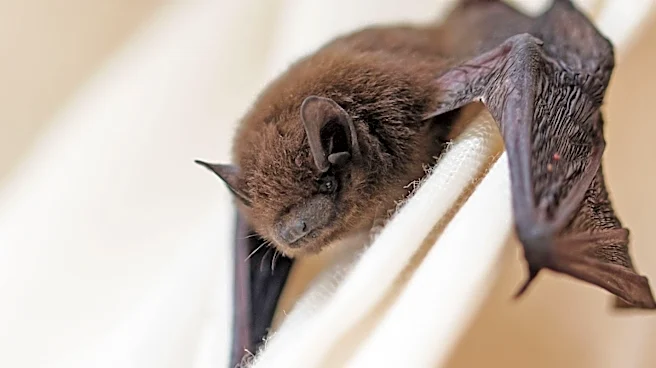







Two bats in Springfield and Greene County recently tested positive for rabies, prompting local health officials to remind residents how to reduce exposure risks and respond if contact occurs.
The Springfield-Greene County Health Department issued the reminder after identifying the cases in recent weeks, according to a community announcement. Officials said in the announcement that the overall risk to the public remains low but noted that rabies can infect people and animals through bites or scratches from infected animals.
Rabies is nearly always fatal once symptoms develop, but the disease can be prevented through prompt medical treatment after exposure.
The health department said in the announcement that residents can help prevent rabies by avoiding
contact with wildlife and ensuring pets remain up to date on rabies vaccinations. Pet owners also are encouraged to keep animals away from wildlife.
According to the announcement, rabies occurs naturally in some Missouri wildlife, particularly bats and skunks. Other mammals, including dogs, cats, horses and cattle, can also test positive for the virus.
As temperatures begin to cool, bats may enter homes while seeking shelter. Residents who find a bat indoors should attempt to isolate it in one room and contact Animal Control. Additional guidance is available from cdc.gov.
Animals showing signs of rabies
Residents are asked to contact Animal Control at 417-833-3592 or submit an online report through health.springfieldmo.gov if they encounter an animal displaying possible rabies symptoms.
Warning signs can include aggression, unusual confusion or a lack of fear, according to the announcement.
Officials also advised residents not to approach animals that appear injured, ill or dead, particularly nocturnal species such as skunks or raccoons that are active during daylight hours.
What to do after a possible exposure
Anyone bitten or scratched by wildlife or an unfamiliar animal should immediately wash wounds with soap and water for 15 minutes, apply rubbing alcohol or another antiseptic and seek urgent medical care, according to the announcement.
More information about post-exposure recommendations is available through rabiesalliance.org.
Health officials said in the announcement that rabies treatment is nearly 100% effective when administered after exposure and before symptoms develop. Treatment may include wound care, human rabies immune globulin and a series of rabies vaccinations.
Pet owners who believe their animals may have been exposed to a wild animal should contact a veterinarian for evaluation, wound care if needed and possible booster vaccination.
Understanding rabies symptoms
Rabies attacks the central nervous system in both humans and animals.
In people, symptoms can take weeks or months to appear after exposure. Early symptoms often include fever, headache, weakness and general discomfort. As the disease progresses, symptoms can include anxiety, confusion, agitation and hallucinations.
Animals infected with rabies may show fearfulness, aggression, excessive drooling, difficulty swallowing, staggering, paralysis or seizures.
The American Veterinary Medical Association also notes some infected animals may become unusually affectionate, appear depressed or show increased sensitivity to light. Additional information is available at avma.org.
This story was produced with the assistance of Artificial Intelligence (AI). Journalists were involved in every step of the review, editing and publishing process. Learn more at cm.usatoday.com/ethical-conduct.
This article originally appeared on Springfield News-Leader: Bats with rabies prompt prevention reminder in Springfield area





