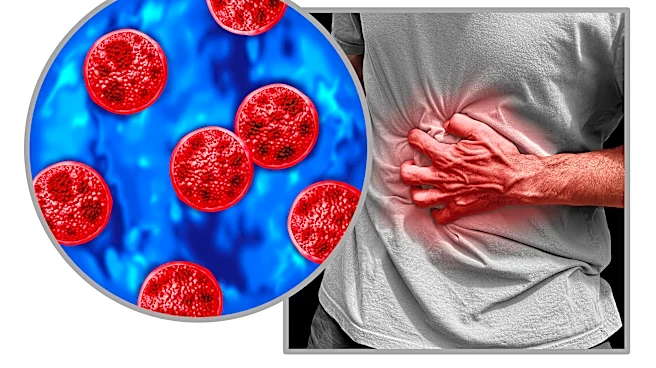








More than 2,000 cases of the foodborne illness cyclosporiasis have been reported in the state, according to the latest update from the Missouri Department of Health and Senior Services.
The state health department reported 2,152 cases of the foodborne illness in Missouri on Sunday, Aug. 23 — 202 more than the 1,950 cases reported a week prior.
The U.S. Centers for Disease Control and Prevention, meanwhile, reports 927 cyclosporiasis cases in Missouri as of Aug. 20, giving the state the third-highest case count in the nation behind Michigan and Ohio. The number is likely higher given the agency's surveillance lags state reporting by several weeks.
The CDC has confirmed 15,716 cases of cyclosporiasis across 47 states plus the District of Columbia
and Puerto Rico as of Aug. 18, with an additional 11,841 cases that have yet to be lab-confirmed or require further investigation. There have been 828 hospitalizations and two deaths so far.
What is cyclosporiasis?
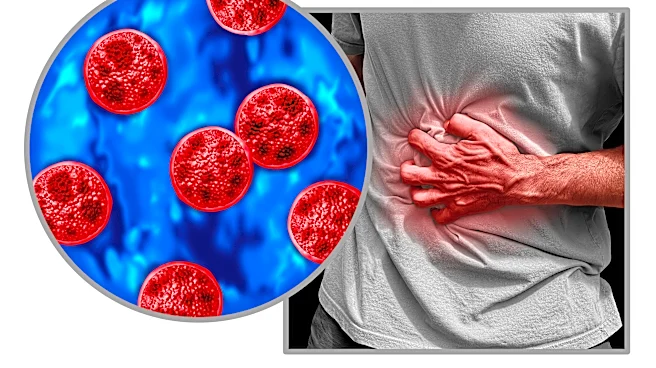
Cyclosporiasis is an intestinal illness caused by a microscopic parasite known as cyclospora, according to the CDC. Infections can spread through the consumption of food or water contaminated with the parasite, though the illness is usually not life-threatening.
Symptoms of cyclosporiasis usually begin about one week after exposure and may include:
- Watery diarrhea (most common)
- Loss of appetite
- Weight loss
- Cramping
- Bloating
- Increased gas
- Nausea
- Fatigue
Anyone with the illness should stay hydrated, keep their electrolyte levels up and get plenty of rest. Health care providers may also prescribe antibiotics.
How to prevent cyclospora infections
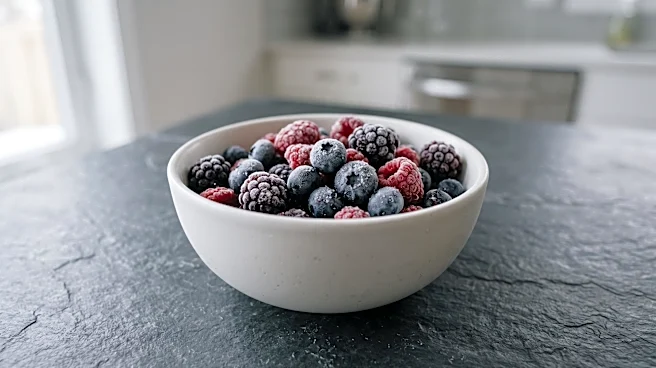
While the outbreak is ongoing, it's recommended to avoid certain produce, such as fresh herbs, greens and berries, and to practice additional food safety measures.
You don't have to swear off all produce, but you may want to follow these tips:
- Wash your hands with soap and water when handling raw fruits and vegetables.
- Wash all fruits and vegetables thoroughly under running water before eating, cutting or cooking.
- Fruits and vegetables that are labeled "prewashed" do not need to be washed again at home.
- Scrub firm fruits and vegetables, such as melons and cucumbers, with a clean produce brush.
- Remove any damaged or bruised areas on fruits and vegetables before preparing and eating.
- Refrigerate cut, peeled or cooked fruits and vegetables as soon as possible.
This article originally appeared on Springfield News-Leader: Missouri officials confirm over 2,000 cyclospora cases in the state