






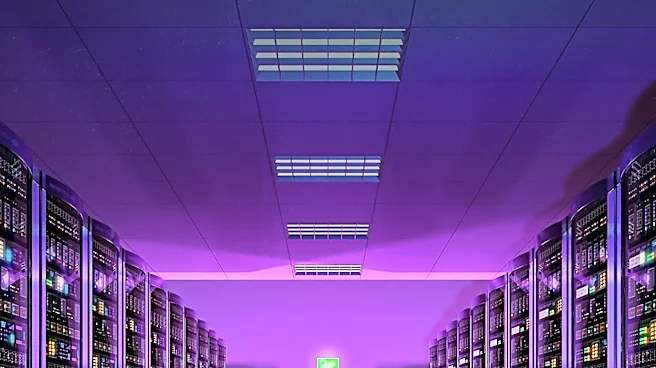


I've spent my career on construction sites. The jobs that go best are the ones where somebody did the homework before the crews showed up. That's what came to mind recently when Springfield held its first public workshop on data centers, sitting down with residents to work through the hard questions before the city writes its standards and before any project breaks ground.
People raised the concerns that matter. Would these facilities push up local energy bills? What does the community actually get back? Those are the right questions, and the city put them on the table in the open instead of waiting for a fight later.
This demand is coming whether Springfield wants it or not. The modern economy runs on computing, from the shows we stream to the records
our hospitals keep. It's going to land somewhere. Springfield is deciding on its own terms whether and how it lands here.
The city put a 120-day hold on approvals so it could gather input first. A proposed facility on South National Avenue hasn't even reached the application stage while that plays out. Nobody's rushing a permit through on a developer's word.
Springfield also has something most cities in this debate don't, which is experience. A data center has run quietly here for more than two decades, 85 feet underground at Springfield Underground. It's operated all that time without controversy over water or the environment. Done right, these places can be good neighbors.
Now the part that hits home for me and the folks I work alongside: A data center isn't a few months of work. It's electrical, mechanical, concrete, skilled trades from the first day of the build to the last. That's a paycheck for Springfield families and a way in for the next generation of tradespeople to stay here.
There's a bigger picture too. The country is racing to build the computing power behind artificial intelligence, and China isn't waiting on our zoning boards. Every one of these built here instead of overseas keeps the jobs and the tax revenue at home.
Homeowners get something out of it as well. A data center pays into the local tax base without adding a kid to a classroom or a car to your morning commute, which takes a little pressure off the bills the rest of us pay.
Missouri earned its nickname by refusing to take promises on faith. Show me first, then I'll believe you. That instinct is the whole point of what Springfield is doing. The city isn't slamming the door on the industry out of fear, and it isn't in any hurry to cut a ribbon. It's gathering the facts, weighing them in the open with residents, then setting tight regulations and standards that must be met before anyone builds.
The best thing residents can do now is stay in the room and keep asking the hard questions. That's what due diligence looks like. It's also what brings Springfield the kind of projects worth having.
Derick Barnes is a business agent for Heavy Construction Laborers Local No. 663 in Springfield.
This article originally appeared on Springfield News-Leader: Choosing transparency over shortcuts with data centers | Opinion