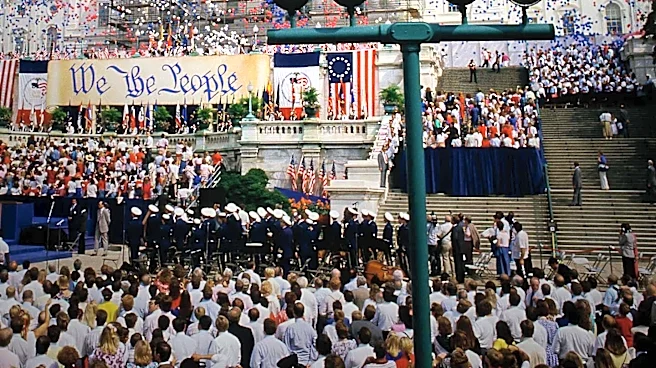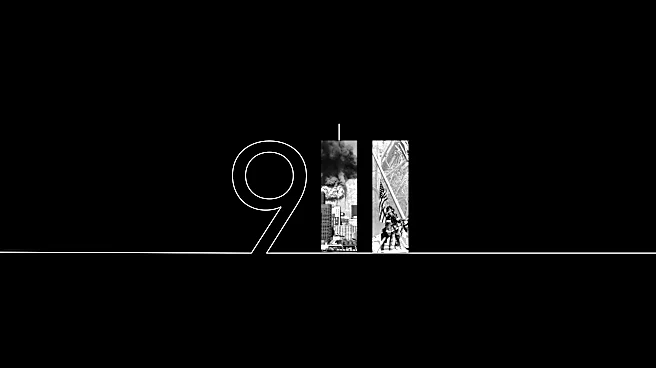




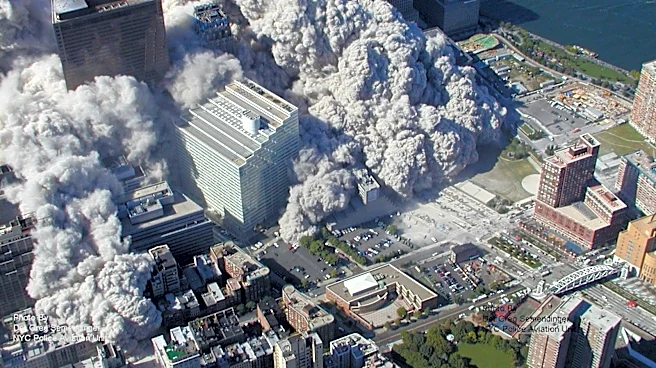
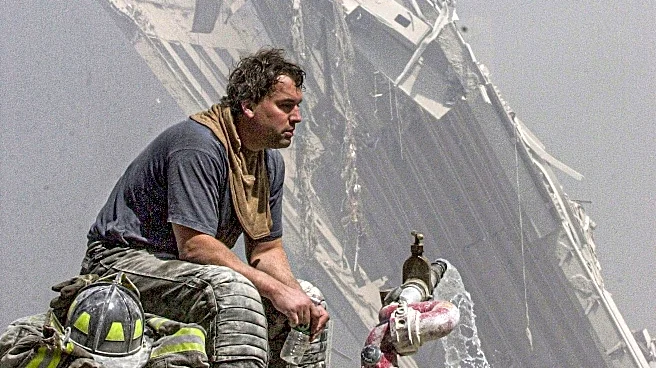
Sociologists have long argued that memory is never purely individual. What we call "remembering" a historic event is really a social process, built and rebuilt through the stories institutions and public figures tell about it. September 11 is one of the clearest cases of this so called “collective memory” that we have. While not everyone experienced the event directly, nearly everyone of a certain age holds a vivid, shared account of that morning, assembled from news footage, commemorations, and the testimony of people who claim to have been there.
That is precisely what makes a politician's false proximity to the event so consequential.
Approaching the 25th anniversary of the attacks, President Trump again told a version of his 9/11 story that
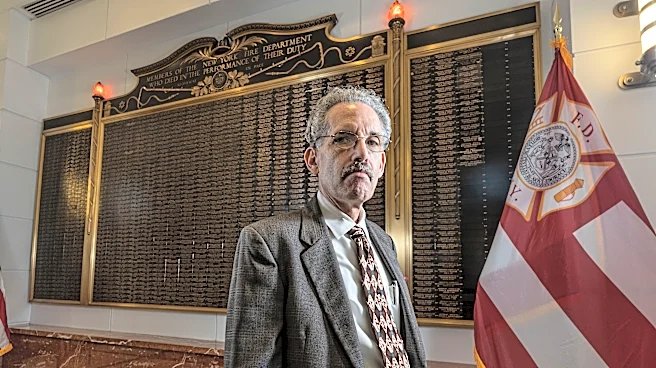
goes well beyond the documented record. He described watching the towers fall from his window, sending a "whole crew" of his own workers to Ground Zero, and, in a newly added detail, being lifted off his feet by two firefighters who feared a nearby building was about to collapse. The reputable fact-checking site PolitiFact has found no documentation, photographs, or first-responder account supporting any of it. The building he says was near collapse never came close. A former FDNY chief has said the "hundred workers" Trump claimed to send in 2001 would have left a paper trail, and none exists. Trump was in Trump Tower, miles away, when the towers were hit, and visited the area in the days after, as many New Yorkers did.
There is a name for exaggerating your proximity to danger or heroism you didn't perform: stolen valor. We usually reserve that term for fabricated military records, but the offense here is the same. It borrows the sacrifice of people who ran toward the fire and repurposes it as a flattering story about oneself. The claim has grown more elaborate with each retelling over 25 years, the opposite of how honest memory behaves.
This deserves more than a fact-check because it isn't really about one man's ego. It is a symptom of something we have gotten far too comfortable with in politics: the assumption that a good enough story will outrun the correction.
This is not a partisan problem, even though this story is. Politicians across the spectrum have learned that a vivid, emotional claim travels faster than a dry, accurate one, and that by the time the fact-check arrives, the story has already done its work. Voters remember the image of a leader pulled from danger by two firemen. Few remember the correction printed two days later.
We should expect better, especially around 9/11. The day belongs to the roughly 3,000 people who died, their loved ones, and the responders who ran into buildings others were fleeing. It does not belong to whoever tells the most cinematic version of where they stood that morning. Twenty-five years on, the least we owe the day is that its story be told straight.
Kyler Sherman-Wilkins, PhD, is a public sociologist and educator who writes about current events and social issues through a sociological lens.
This article originally appeared on Springfield News-Leader: We should remember 9/11 truthfully and reject stolen valor | Opinion