





The 3/4-cent SPRING Forward SGF sales tax brings in more than $30 million annually for the city to fund neighborhood improvements, parks and projects aligned with the comprehensive plan. But nearly two years into collecting the tax, city staff hope to hire a firm to manage the program in a more holistic way.
The sales tax was approved by voters in November 2024 split into two portions. A permanent 1/4-cent tax funds public safety initiatives, including police and fire pay, while the remaining 1/2-cent tax will sunset after 10 years and is slated for projects outlined in the city's Forward SGF comprehensive plan. This latter half of the tax has already used to fund neighborhood plans for each registered neighborhood, parks improvements and master
plans, Springfield Art Museum renovations and Neighborhood Works+ projects.
As these initial uses of the tax get underway, city staff hope moving forward, a consultant could help gather project ideas, create tracking tools for progress and set a full and detailed 10-year implementation plan. But some members of the reconfigured Citizens' Advisory Board, put in charge of recommending how the 1/2-cent tax monies are used, expressed hesitation about paying a consultant to do the work that so far has been handled by city staff.
Consultant would gather ideas, create 10-year plan
At the end of August, the city published a request for proposal for a program manager. The scope of work includes in-person attendance at every CAB meeting; compilation and maintenance of a comprehensive log of projects proposed by the community, Springfield City Council and city staff; rounding out review criteria to pre-screen project ideas for feasibility; preparing a program schedule with funding timelines and projected durations of work; and developing an online tool for real-time program reporting and planning.
Tim Rosenbury, the city's director of Quality of Place Initiatives, said the goal was to find someone who has done this work previously elsewhere, to bring both a level of practical expertise in management and lessons learned from other communities. He said five firms had submitted proposals, which the city is still reviewing.
"This is a really special project, and we need a really special consultant who's been around these kind of projects before," Rosenbury said. "We need more guidance from people with this kind of experience."
The selected consultant would deliver a full implementation plan that sets out projects, timelines and budgets for the full 10 years of the tax, acknowledging that some toward the latter years of the program may not yet be identified. This plan, Rosenbury said, would be created with the board's input over the course of a year.
Rosenbury anticipated hiring the program manager would cost between $500,000 and $1 million, with the expectation that the contract would be funded with revenue from the tax. With questions raised regarding whether this use of funds aligns with the ballot language and ordinance, the city's law department will review whether the sales tax could go toward a consultant in this way.
Board member Clif Smart said the city has managed fine so far and he doesn't think a consultant is necessary, nor that the public would support using tax dollars in this way. He also noted that roughly $1 million of the annual revenue from the tax goes to an overhead fee to administer the sales tax. City's Finance Director David Holtman said this is a standard 4% fee that is placed on all funds for administrative activities.
While Rosenbury acknowledged these concerns, he noted that it is challenging for city staff to work on SPRING Forward SGF projects "adequately and effectively" on top of their daily responsibilities. He compared the effort to Oklahoma City's MAPS sales tax projects, noting that initiative has a dedicated city staff team and consultants working on it, as well as the microcosm of the city using consultants to gather ideas and accelerate the broader Neighborhood Works+ program.
"This is a new approach for us, and quite often we know what the project is before it's funded. Now we have something that's funded, but we don't know what the project is," Rosenbury said.
So far, all options presented to the CAB for sales tax fund allocation have come from within the city, with department heads presenting their needs. While the city has set up an online portal for project idea submissions, the board noted activity there has been limited. Board member Alia Lee said a program manager might make it easier for the community to engage and submit projects.
Deputy City Manager Collin Quigley said that while the consultant would expand the city staff's current capabilities by providing full-time, 100% attention to the sales tax program, city staff would remain heavily involved in the process. If hired, the consultant would manage the overall program while the projects themselves would still be overseen by the city.
Smart said the staff should not view the additional work on the sales tax program as a burden but rather an exciting opportunity to make a greater difference.
"My encouragement to staff would be minimize [routine tasks], shift that away, because here's an opportunity to work on $400 million of cool stuff. My guess is you don't have a lot of other things that are more important than this," Smart said. "This has got to be the priority, not returning some crank's call about some bitch they have somewhere."
Overall, the board expressed a desire to think big and take on large, truly transformational projects rather than several smaller projects that fall under the umbrella of Forward SGF.
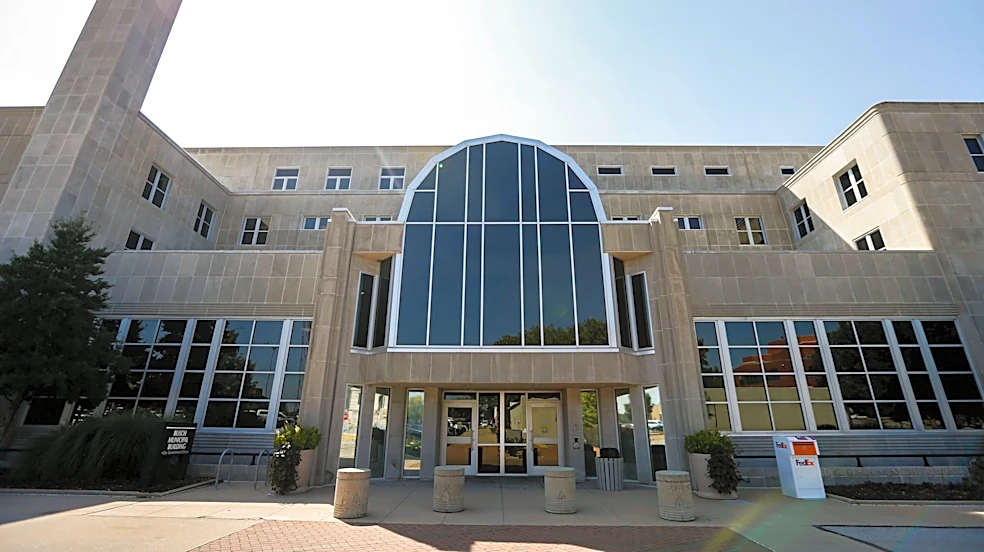
Rosenbury told the News-Leader he expects to present the full proposal to hire a program manager, with the candidate nailed down, at CAB's next meeting in November, in hopes of bringing them on by the end of the year, if approval is granted. CAB makes recommendations to council, with the final decision resting with the elected body. The board meets every third Thursday at 1 p.m. at the Busch Municipal Building.
Board chair Rusty Worley said the November meeting will include presentations on the Springfield Expo Center, corridors, and updates on city projects. The CAB previously set aside $30 million to help fund a new convention center, though voters rejected the lodging tax that would support that project twice at the ballot box. That $30 million still remains earmarked for a renovation, expansion and conversion of the Expo Center.
Marta Mieze covers local government at the News-Leader. Have feedback, tips or story ideas? Contact her at mmieze@news-leader.com.
This article originally appeared on Springfield News-Leader: Springfield considers hiring consultant to manage sales tax program