

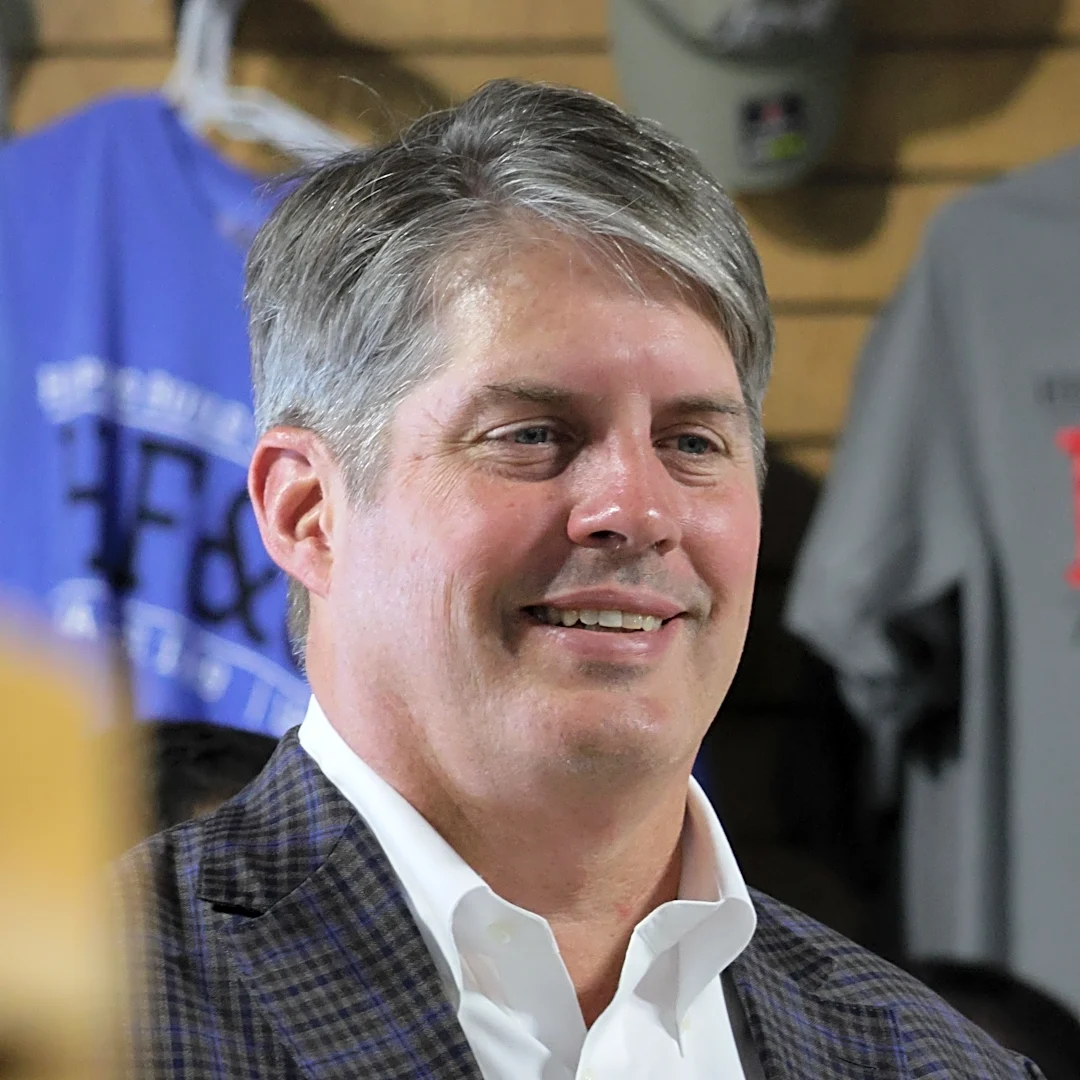




After the defeat of incumbent Rep. Curtis Trent in the primary, Missouri Senate District 20 will be represented by a political newcomer in the next legislative session. On Nov. 3, Republican Lori Rook and Democrat Sean Falconer will vie for the seat to represent a section of southwest Missouri.
This is also the first time since the adoption of the 2022 Missouri Legislative District Map that a Democrat has run for the seat. Prior to the redistricting in 2022, Senate District 20 covered a large portion of Greene County and all of Christian County. Today, the seat represents Barton, Dade and Webster counties and a large portion of Greene County outside of Springfield.
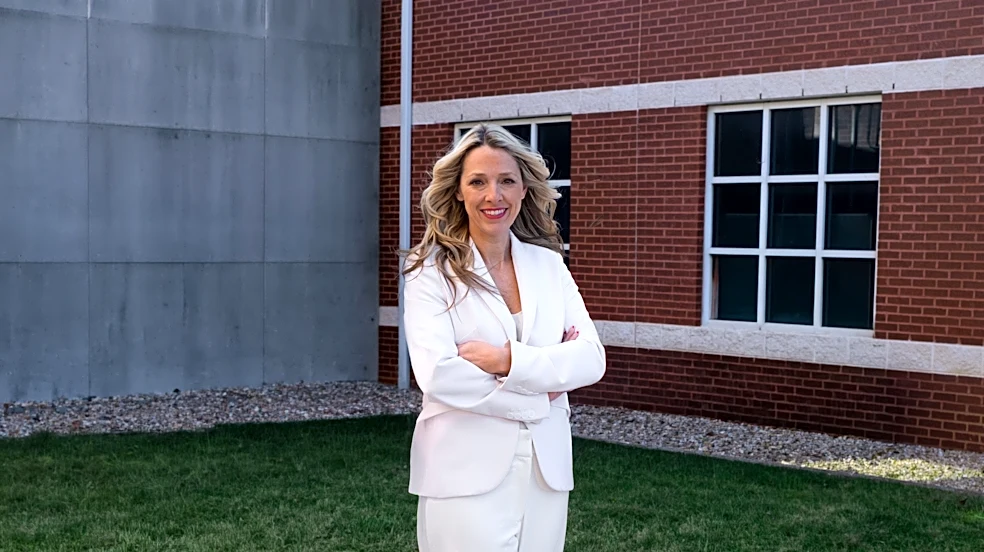
Who is Lori Rook?
Rook, an elder law attorney, is the owner of Ozarks Elder Law, which she took over
in 2012. She ran for Missouri Treasurer in 2024 but did not advance in the Republican primary. Rook previously told the News-Leader her 2024 campaign opened her eyes to more problems prevalent across the state and even within the Republican party.

Leading up to the primary, Rook campaigned declaring herself the "actual conservative" candidate and openly criticized the incumbent's role in the legislature. She defeated Trent by roughly 1,900 votes.
"I'm doing this because I feel called, and I feel like Missouri deserves better, and especially the 20th Senate District just deserves better," Rook told the News-Leader previously.
Among her primary goals if elected are to work to allow video live-streaming of Senate proceedings. According to reporting by the Missouri Independent, the Missouri Senate is one of only two legislative chambers in the country to not provide a live video feed of its proceedings. It does, however, allow audio livestreams. Rook believes the livestreaming would improve transparency for the public and in turn make the body more productive.
Also on her priority list it to work to get personhood recognition for unborn children. She also has campaigned on her strong opposition to data centers.
When it comes to public education, Rook believes the system needs to be re-worked. She said that defunding public education is not the proper solution, instead the management of school funding needs to be reformed. Rook noted several area superintendents have spoken to her about the desire to have greater local decision-making control and to have greater differentiation between large districts and smaller ones.
"It's a bigger conversation than just like where do we find the money right now, because I think that's just a Band-Aid," Rook said. "DESE (the state Department of Elementary and Secondary Education) is a problem, and they need to be dealt with."
While previously focused on eliminating the gas tax to address affordability, Rook acknowledged that it seemed Gov. Mike Kehoe was not willing to budge on that. As she has continued to meet with voters, she said folks are concerned about property taxes. She said she wants to see the property tax system reformed, though in a careful manner due to schools depending on this revenue. To lessen the burden on taxpayers in the short-term, Rook said a possible solution could be to bifurcate property taxes due or collect those amounts at a different time, not at the end of the year when families already have additional expenses.
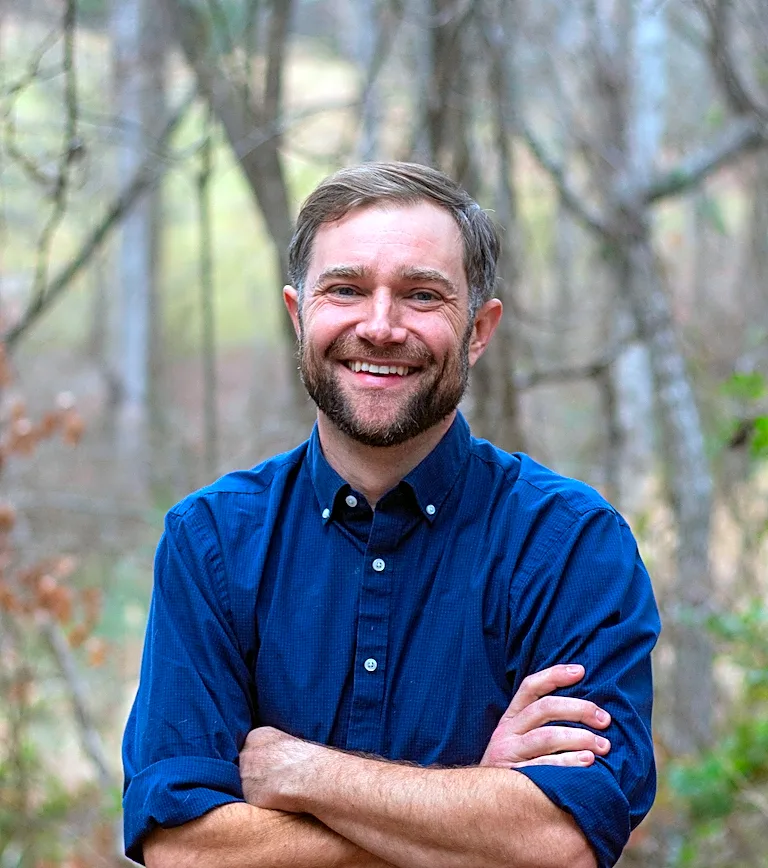
Who is Sean Falconer?
Falconer currently works as a weekend overnight tech in the emergency room at Mercy hospital in Springfield. He previously has held roles at a psychiatric facility for pediatrics in Kansas City, as an educator for Mercy's workplace violence reduction program and as a case manager in the foster care system. Falconer holds a bachelor's degree 0in anthropology and a master's in communication from Missouri State University. He spent part of his childhood living in Canada and in 2016 lived abroad doing Christian mission and grassroots refugee relief work.

Motivated by the desire to see good things happen in the community and armed with skills to negotiate, Falconer decided to seek elected office. He initially approached the Greene County Democratic Central Committee with the intent to run for a U.S. Congress seat but was asked to consider state office instead.
"Part of how I wound up on this particular roller coaster was recognizing that I want my neighbors to have a choice," he said. "I think there's a need right now for just some people who are willing to do the brass tacks and do the basic mechanics of this is what the government's supposed to do, let's do it well and make it better."
Falconer has several legislative actions on his to-do list if elected. Among them are improvements to the healthcare system to ensure rural communities receive the care they need and medical care is affordable for all, especially as the population continues to age.
This effort also falls in line with Falconer's broader goal of rural renewal — an effort to re-invest in smaller rural communities' infrastructure and education. Specifically, he wants to put a greater emphasis on broadband internet infrastructure in rural areas, to provide greater access to courts, education and healthcare, and reform the pharmacy benefit manager system to ensure smaller, rural pharmacies are able to remain open. On the healthcare front, he noted the need for more urgent care clinics in rural areas. Coupled with Medicaid reimbursement revisions, such facilities can allow patients without true emergency needs to receive services at a fraction of the cost while alleviating capacity at the ER.
Falconer, who was a stay-at-home dad for four years, said childcare was hard to access and did not make financial sense for his family. He said finding a working and sustainable solution to childcare needs to be a top priority for the state to realize its full potential in the workforce.
"We need to treat childcare as infrastructure because it allows people to go to work, it allows people to take care of their kids, it allows their kids to be in programs that prepare them for school and strengthen them and are really beneficial," Falconer said.
He recognizes funding is the largest challenge in achieving any goal, especially as budgets tighten and cuts become increasingly popular in Jefferson City and Washington D.C. Some programs could be self-funding or pay for themselves down the line, Falconer said, while restructuring the tax system will be necessary, too.
Where candidates stand on data centers, Flock cameras
Data centers have become a common concern for constituents in Springfield, southwest Missouri and across the country. Rook's campaign has heavily focused on her opposition to data center developments, as she has attended several public meetings around the region regarding local moratoriums. Both candidates told the News-Leader a statewide moratorium should be put in place to allow the state time to come up with proper safeguards for local communities.
Falconer believes the state should set a policy that retains local control and establishes a base level of protection from predatory practices. He said this would ensure all communities, including rural areas where data center investment may be attractive, are on a level playing field if a data center development wants to move in.
"I just don't like the idea that someone can come in with millions and millions of dollars, and because an area has got some issues with poverty or because a community is not thriving the way it used to, that they could find themselves in a position where they're getting taken advantage of," Falconer said. "I'm not a fan of having the state be a guard dog with no teeth. Like, the whole function is that we are here to protect our people."
Rook, too, wants to see a state-wide approach establishing guardrails but told the News-Leader previously she does not believe politicians in Jefferson City would back that approach. To account for this, she believes local communities need to enact ordinances that protect their own residents, aquifers and farmers. Several counties and municipalities in the Ozarks have already passed temporary moratoriums to evaluate regulations for data centers, though in some places these are being challenged in the courts.
"Unfortunately, right now, I don't see us getting ahead of it, we're just, you know, kind of spinning our wheels," Rook said. "[We need to] make sure we don't allow these things to just come in and, you know, create problems that we can't undo later."
Another contentious topic during this election cycle has been the use of automatic license plate reader (ALPR) cameras, including those operated under the Flock brand. On this, too, both candidates recognized the criticisms the technology has faced regarding surveillance and privacy concerns. Falconer said there should be greater oversight and regulation of how data collected by the cameras is used and the local use of such technology should be done through a public process in which law enforcement can make the case for the technology and the public can voice concerns. Rook acknowledged that local municipalities and counties are already addressing the overwhelming response from their communities and she is not in favor of "throwing the gauntlet down for overregulation." If problems persist and local jurisdictions are unable to get things under control, she said state-level action may be more appropriate.
Why should you vote for them?
The two candidates are trying to appeal to the electorate in different ways. Rook highlighted her work as an attorney, advocating for some of the most vulnerable people in the community, and said her values as a conservative, pro-life candidate match the values of the district.
"I think I've got the fight in me that's necessary for Jefferson City and the current state of things," she said.
Falconer focused on his ability to mediate, also drawing from work experience, and a genuine dedication to be bipartisan. Once a Republican himself, he recognizes today's polarized environment and the appeal of it, but notes there is no need to play to the extremes on either side of the political spectrum.
"I am not interested in what label you're coming with. I'm interested in how can we work together," he said. "And I think for a lot of candidates right now, and for a lot of especially Republicans, I think that they are sort of held hostage by the fact that we've done partisanship so hard and so long in this country that the idea of cooperating and working together feels like a betrayal to their base. And I don't see it that way, the whole point is that we're trying to work together, the whole point is that we are elected government."
Rook receives significant PAC support
Rook's campaign has raised more than $500,000 in total, with several of the largest contributions coming from statewide political action committees, according to reports filed with the Missouri Ethics Commission. Since August 30 alone, Rook's campaign brought in more than $74,000 in contributions.
Here are the largest donations, Rook's campaign has received, as of the Oct. 15 report:
- $2,400 - Make Jeffco Great Again PAC, Heart of Missouri PAC; FireBrand PAC; Take Back Missouri PAC; MO Maverick PAC; Langdon & Emison, LLC; Dollar, Burns, Becker & Hershewe, LC; MO Republican Attorneys for Civil Justice PAC; Gayle Hancock, executive assistant at Federal Protection, Inc.; Luke Nixon, owner of Nixon & Lindstrom Insurance; Melvin Volmert, retiree; Alliance for Progress LLC; Missouri Forest Products PAC; Cheyenne International LLC; Missouri Prospers PAC; A Better Missouri PAC; LEGIO XIII PAC (backed by video lottery terminal operators); Living Well PAC; BUILD St. Louis PC; AMECPAC; CN-MO PAC; Missouri Hospital Association; MCR PAC;
- $2,000 - Webster County Republican Committee, Missouri American Water Employees PAC, Attorney Kurt Larson, Playter & Playter (contributed at least $2,000); Roman & Boock LLC;
- $1,000+ - Holman Schiavone LLC ($1,500); Missouri Petroleum & Convenience (MPCA) PAC ($1,200); Zevan Murphy LLC (contributed at least $1,850);
- $1,000 - Missouri Veterinary Medical PAC; Owner of IRV, Inc. Mark Bogani; Freddie Keaton with Keaton Cattle Company; Attorney Steven Groves; Attorney Zane Privette; Realtor Dana Ingle; Tolbert Beadle LLC; Accountant Gary Schroeder; Attorney Mark Bronson; Attorney Ryan Murphy; Greene County Republican Central Committee; Missouri Patriot PAC; Spirit of Missouri; Hahn Deboef PAC; HBS MO State PAC; Missouri Pork PAC; MBA Ozark Region PAC; MBWA PAC.
Rook's campaign also received monetary support from the MAFP PAC, Dade County Republican Central Committee and AT&T Missouri Employee PAC. Additionally, Rook has loaned her campaign more than $360,000.
Falconer lags behind in campaign contributions, having raised just more than $13,500 in total. His campaign has received fewer large lump-sum donations.
Here are the top contributors to Falconer's campaign:
- $2,000 - Dade County Democratic Club;
- $1,330 - Greene County Democratic Central Committee;
- $1,000 - Teamsters Union Local No. 245.
He also received support from Franklin D. Roosevelt Club, Missouri Senate Democratic Campaign, and Stone County Democrats.
Both candidates also contributed at least $5,000 personally to their campaigns, according to MEC filings.
Marta Mieze covers local government at the News-Leader. Have feedback, tips or story ideas? Contact her at mmieze@news-leader.com.
This article originally appeared on Springfield News-Leader: Newcomers face off for Missouri state Senate District 20 seat