





I have tried to grow corn, pole beans, and squash together but have had no luck. I plant all three at the same time, but the squash blossoms get moldy and the rest don’t do well. What am I doing wrong?
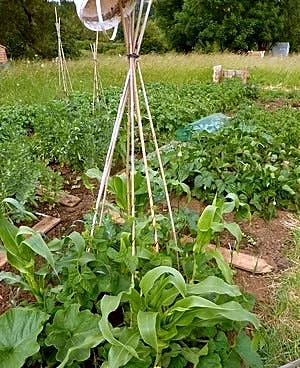
The “Three Sisters” combination is an excellent combination, with the corn stalks serving as a trellis for the beans, the beans fixing nitrogen in the soil for the other crops, and the squash providing a “living mulch” to suppress weeds and hold moisture in the soil. First, the seeds should not be planted all at the same time, but over a period of time. These are usually planted in a mound about 18 inches tall and at least three feet apart. Corn should be planted first, four to six seeds in the middle of the mound. A sturdy variety of corn, such as dent or flint corn, rather than sweet corn, provides a better structure for the pole beans to climb. When the corn is at least 6 inches tall, four to six bean seeds can be planted at the base of the corn stalks.
Squash is planted last, planting around the perimeter of the mound at least 3 feet from the center of the mound. All three of these crops are heavy feeders, so adding compost or manure will help ensure good growth. They will also need at least 1 inch of water per week. It is also important to keep weeding around the young plants until the squash vines have grown enough to shade out any weeds.
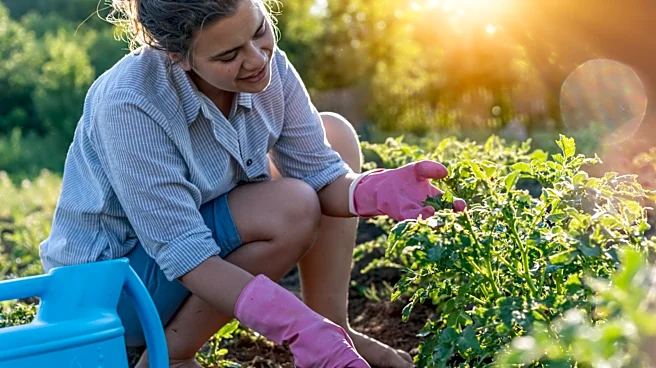
What could be eating the blossoms off my potato plants?
Although it is possible that either deer or hornworms are responsible, it is most likely that these are just falling off. It is common for the blossoms to fall off at this stage and not cause for concern. It is generally recommended that these blossoms be pinched off so the plants can concentrate energy on growing potatoes. The blossoms are not necessary.
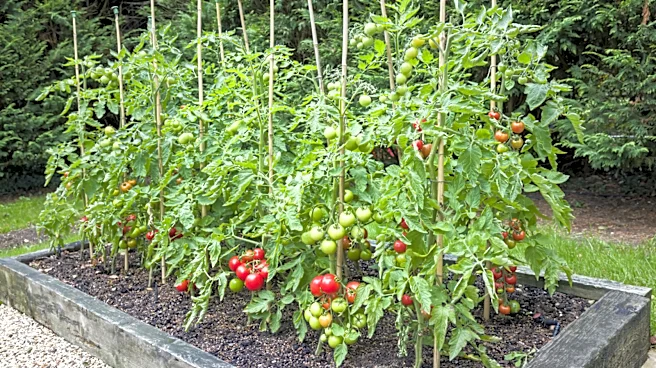
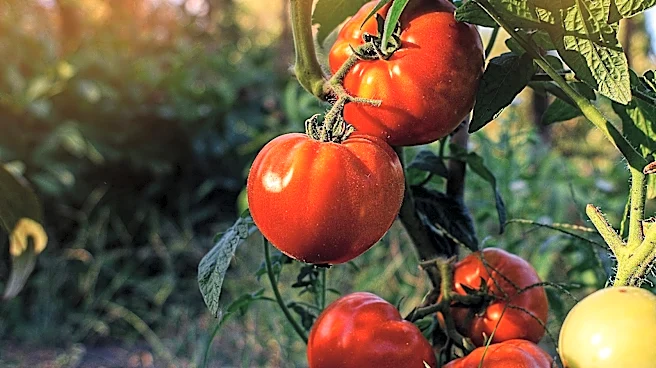
I have tons of green tomatoes but no ripe ones. What do I need to do to make them ripen faster?
The biggest factor affecting the ripening of tomatoes is either extreme heat or cold, as the optimal temperature for tomatoes to ripen is 68 to 77 degrees. When the temperature is over 85 degrees, the production of lycopene and carotene, which gives the ripe tomato its color, is halted. The most likely cause in this case is probably the hot weather we have been having. Other factors might include too much shade, over-use of nitrogen fertilizer, or overload of fruit on the vine. Tomatoes require 6 to 8 hours of sun daily. In the case of overload of fruit on the vine, removing some of the new blossoms and any tiny and underdeveloped fruit may help. If any fruit has a little color, known as the “breaker stage,” they can be picked now and allowed to ripen inside. Green tomatoes can also be picked and placed in a paper bag with a banana to ripen.
Readers can pose questions or get more information by calling 417-874-2963 and talking to one of the trained volunteers staffing the Master Gardener Hotline at the University of Missouri Extension Center in Greene County located inside the Botanical Center, 2400 S. Scenic Ave., Springfield, MO 65807.
This article originally appeared on Springfield News-Leader: Tomatoes not ripening in the heat? Master gardener shares what to do