






A judge denied a data center developer's request to require the city of Springfield to review his predevelopment plans for a proposal on South National Avenue amid a moratorium on data center applications.
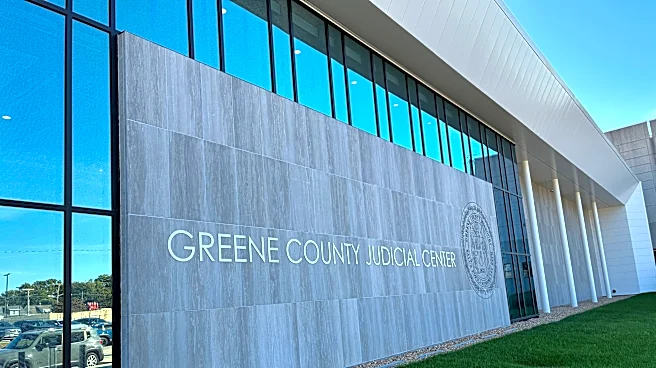
A lawsuit was filed in September by NSI A.1 LLC, managed by Trent Overhue, against the city and on Friday, Oct. 23 the developer sought a temporary restraining order to restrict the city from denying to review his plans for a "high-performance computing data processing facility" in the basement of one of the buildings at 2900 S. National Ave. Greene County Circuit Judge Nathan Taylor denied the temporary restraining order.
"The Court does not find that plaintiff has met the burden, particularly in that the plaintiff has not made the required
showing of irreparable harm or that the balance of harms and public interest favor the plaintiff obtaining a temporary restraining order," Taylor said.
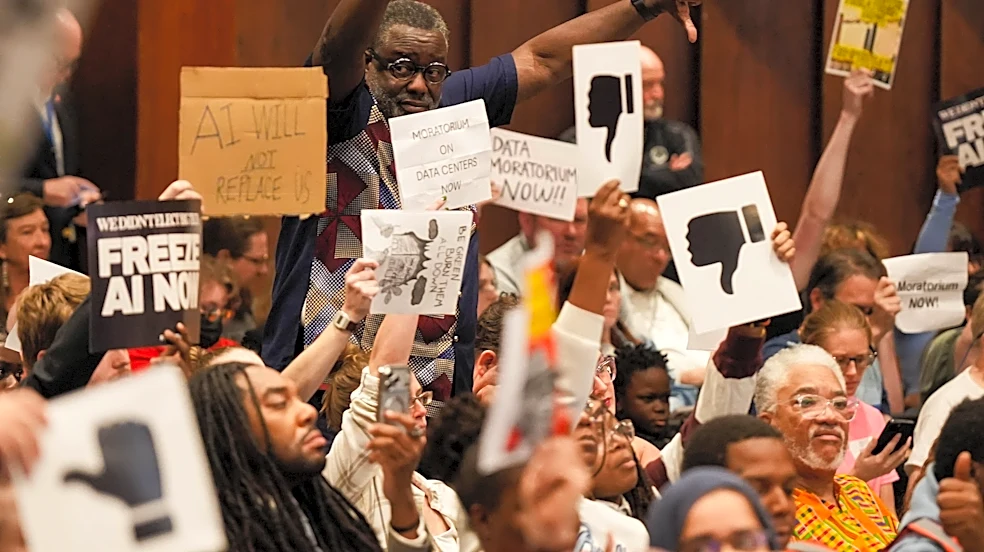
Springfield has had an administrative pause in place on all data center proposals since late June. While the moratorium was set to expire in mid-November, an extension of the pause until Feb. 24, 2027, has been proposed and is awaiting a Springfield City Council vote.
Through the lawsuit, NSI A1 has claimed the moratorium is invalid and, if found to be valid, does not apply to any ordinary preliminary activities for the project proposed as they are not part of any formal application process.
In the request for a temporary restraining order, the attorney representing NSI A1, Chad Mann, asked the court to prevent the city from using the administrative pause to refuse the processing of submission for the development at 2900 S. National Ave. and allow supplemental predevelopment materials to be reviewed by city departments and City Utilities.
The ordinance establishing the moratorium also included a clause giving council discretion to allow the processing of an application of a data center if it determines the application complies with all existing or planned regulations, adequate infrastructure exists and consideration of such an application wouldn't be a detriment to the city. While NSI A1 had requested this exemption, it had not been provided with information about the regulation and infrastructure requirements it would have to meet. The request for a temporary restraining order further asks for these to be identified.
The city objected to the temporary restraining order, claiming a temporary restraining order is only appropriate when an applicant may suffer an immediate and irreparable injury and to maintain status quo. Assistant City Attorney Chris Hoeman noted in his objections that NSI A1 had not identified harm from the moratorium that could not be addressed by monetary remedies.
"That administrative delay was itself enacted in order to maintain the status quo within the City while a matter of extreme public interest was studied," the objection further stated.
According to court documents, Mann claimed that granting the restraining order would not approve the project itself nor guarantee utility service and capacity.
Friday's decision is a temporary step before the court rules on more permanent grounds. A hearing for a preliminary injunction is set for Friday, Nov. 6.
Through another LLC, Overhue also has sued Benton County over its moratorium. A preliminary injunction seeking to stop the enforcement of the county's temporary moratorium was granted by the court on Oct. 6.
The city is still working on drafting regulations around data centers, though it has proposed an initial definition of such developments as a starting point. According to previous News-Leader reporting, staff anticipate presenting council with data center regulation options in January. Council is anticipated to vote on both the data center definition and moratorium extension on Nov. 16.
Marta Mieze covers local government at the News-Leader. Have feedback, tips or story ideas? Contact her at mmieze@news-leader.com.
Susan Szuch contributed to this reporting.
This article originally appeared on Springfield News-Leader: Temporary restraining order denied in Springfield data center lawsuit